Welcome to DEXUAN
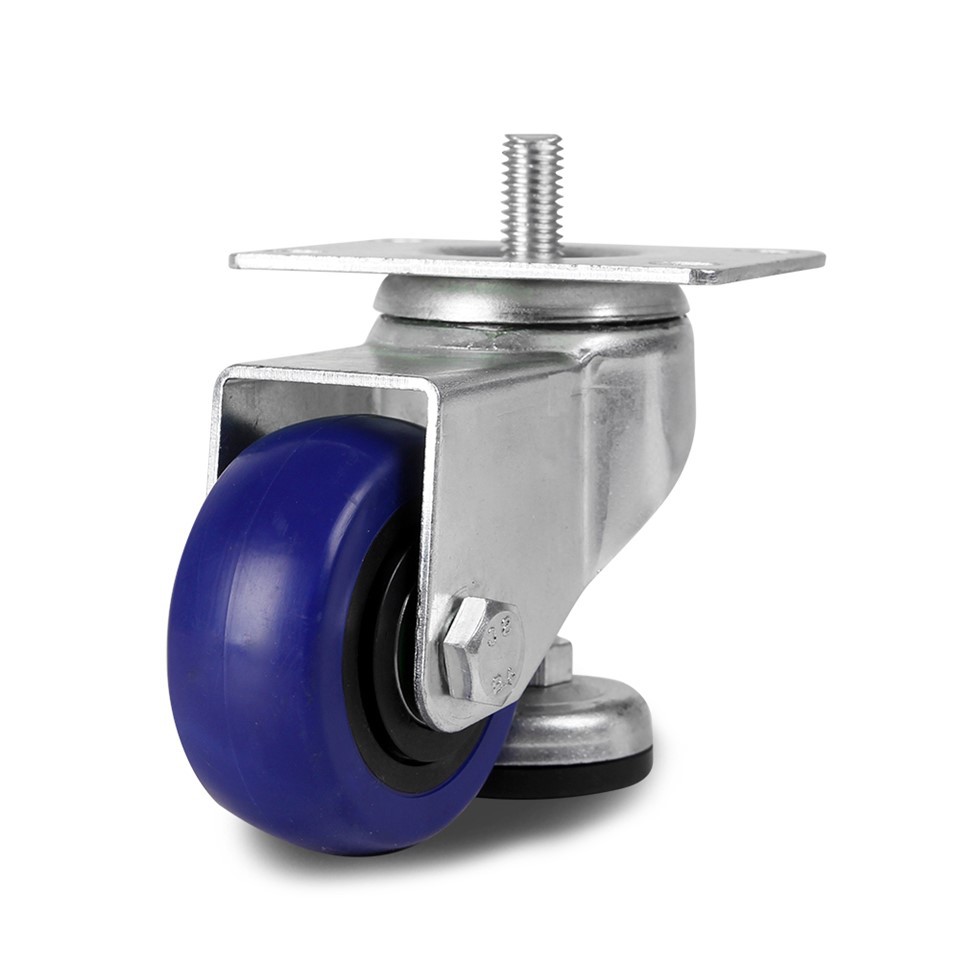
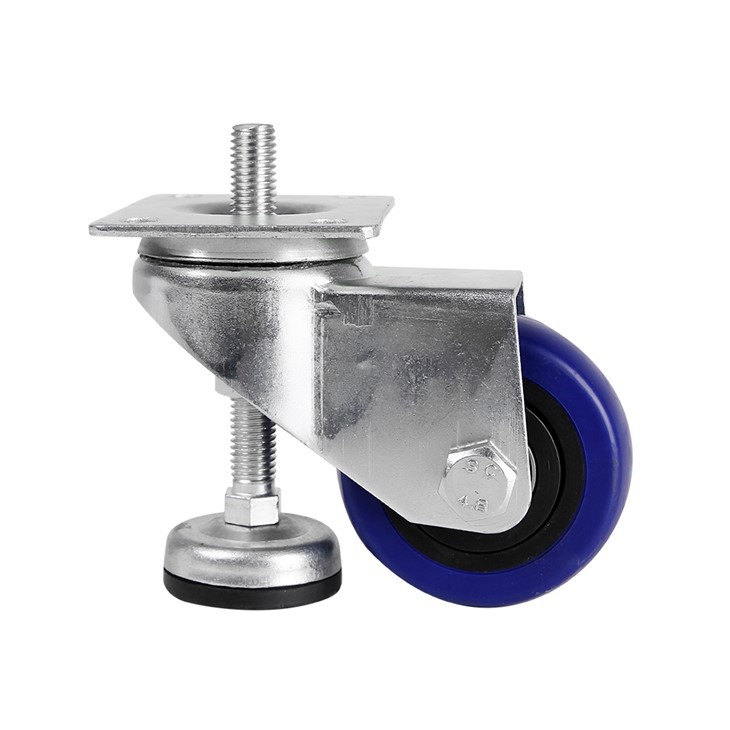
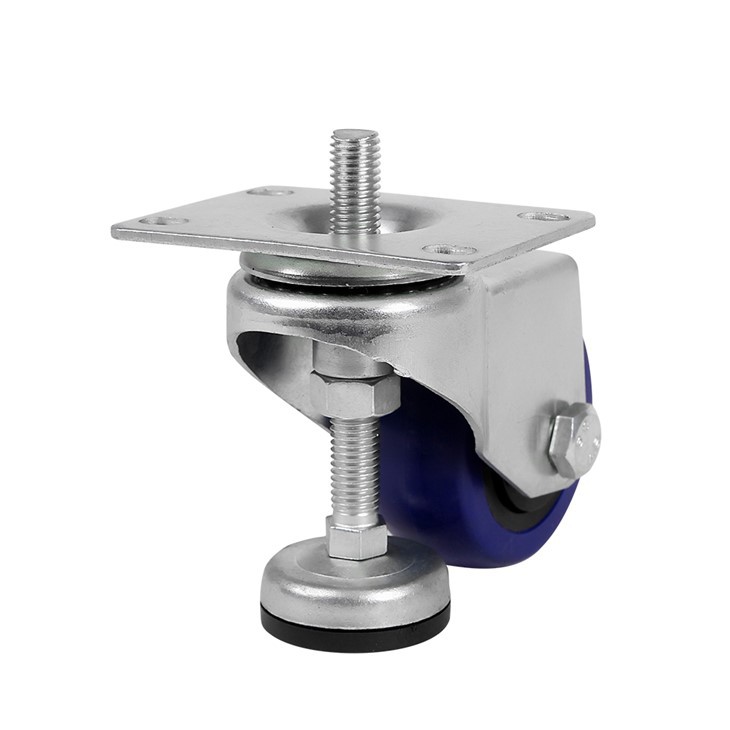
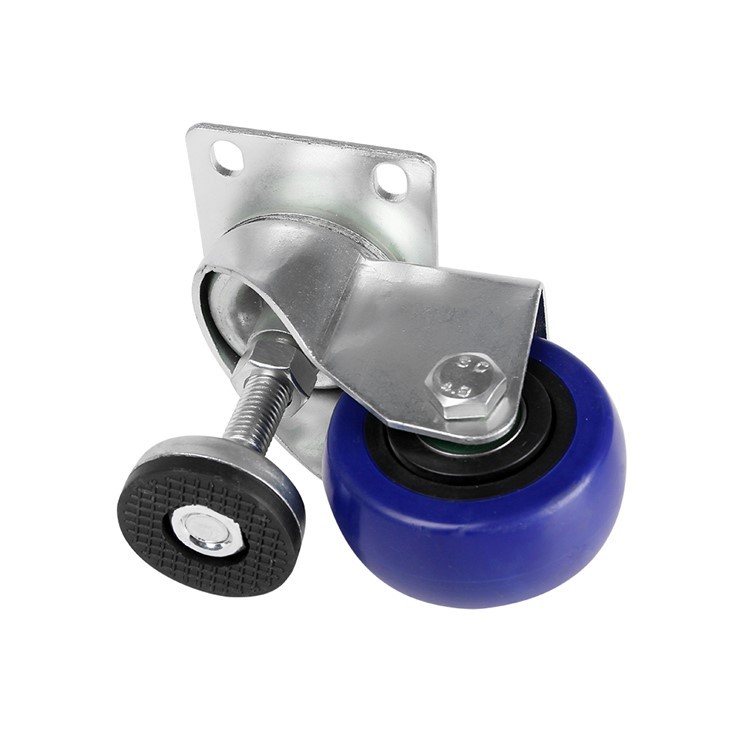
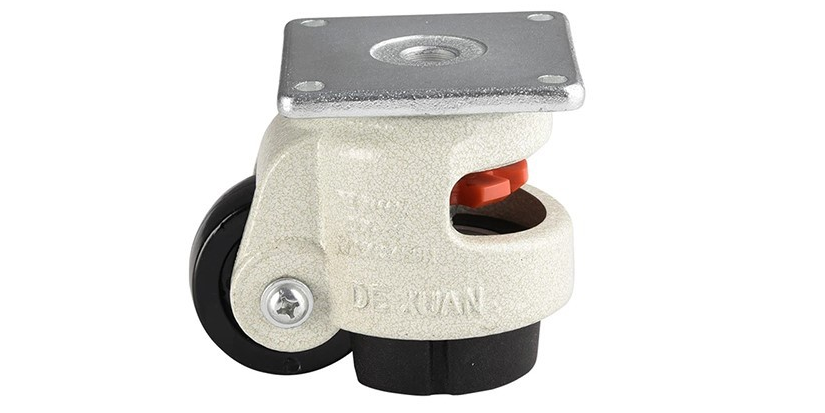
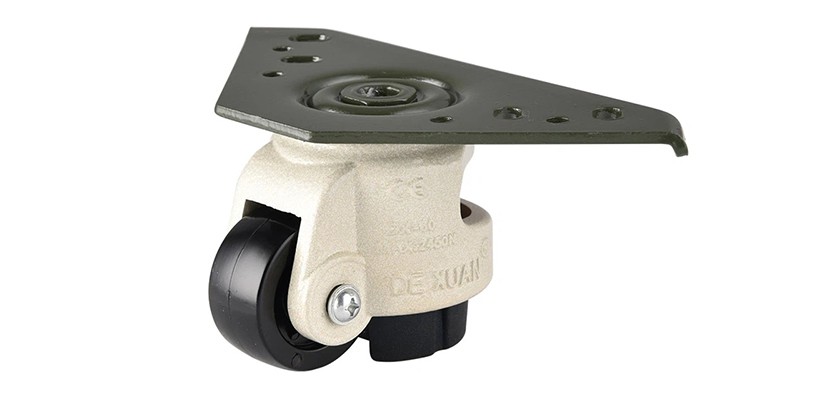
Height Adjustable Caster
- Hot Tags: height adjustable caster, China height adjustable caster manufacturers, suppliers, factory, Height Adjustable Caster, Adjustable Leveling Feet Furniture, Adjustable Caster, Integrated Adjustable Caster, Adjustable Heavy Duty Casters, Industrial Adjustable leveling feet
Features
Your Leading Height Adjustable Caster Supplier
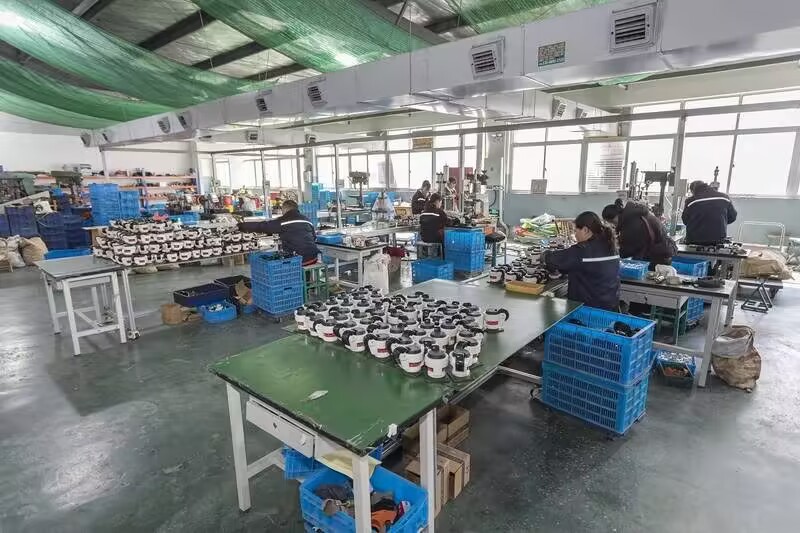
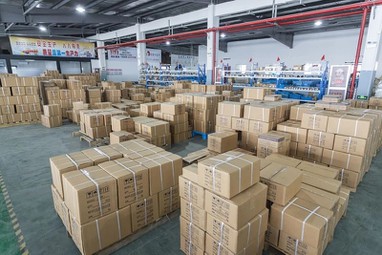
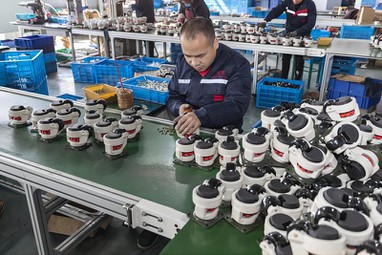
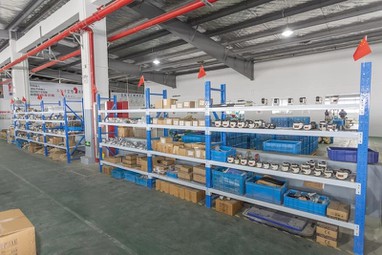
Taizhou Qifeng Machinery Co., Ltd. was founded in 2018 and covers an area of more than 2,000 square meters, with an annual transaction volume of more than 20 million, and exports to Europe, America, Vietnam, Thailand and other countries. We are a production enterprise integrating professional research, design and development, focusing on manufacturing high-quality caster products.
01
Wide Range of Applications
Our casters are widely used in electronics, automobiles, industry, medical, warehousing, logistics and other fields.
02
Wide Range of Products
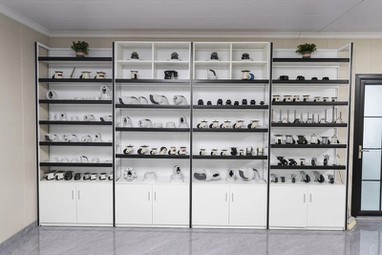
We have cantilever components, level adjustment casters, Japanese heavy-duty low center of gravity casters, cup foot lifting wheels, Fuma wheels, plastic trolleys, etc.
03
Competitive Price
Most raw materials are made by ourselves, It greatly reduces the cost and shortens the lead time.
What Is Height Adjustable Caster?
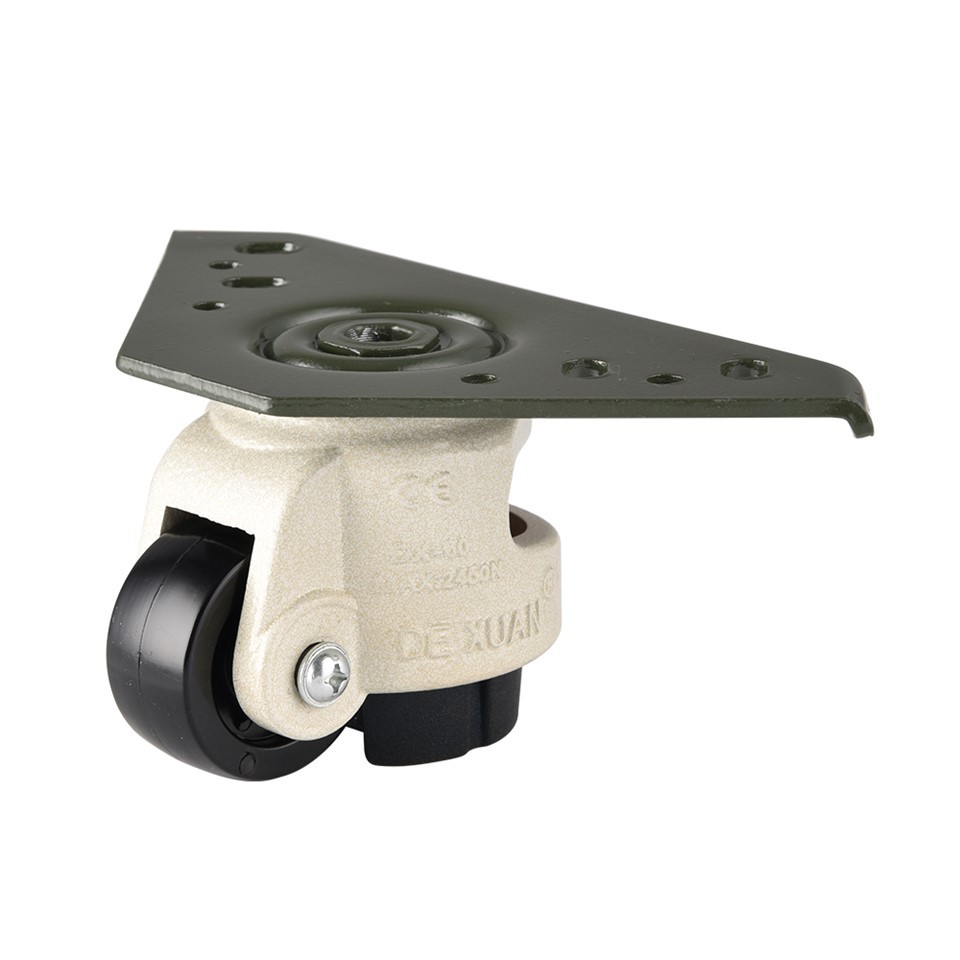
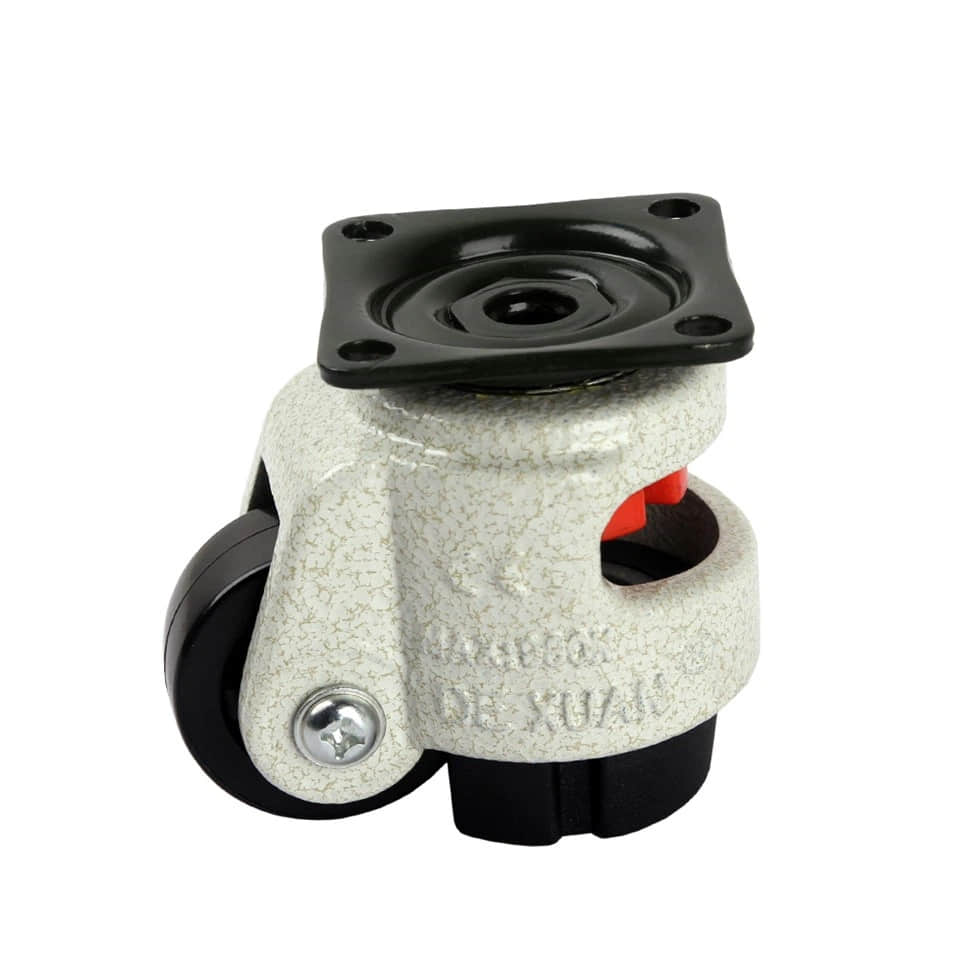
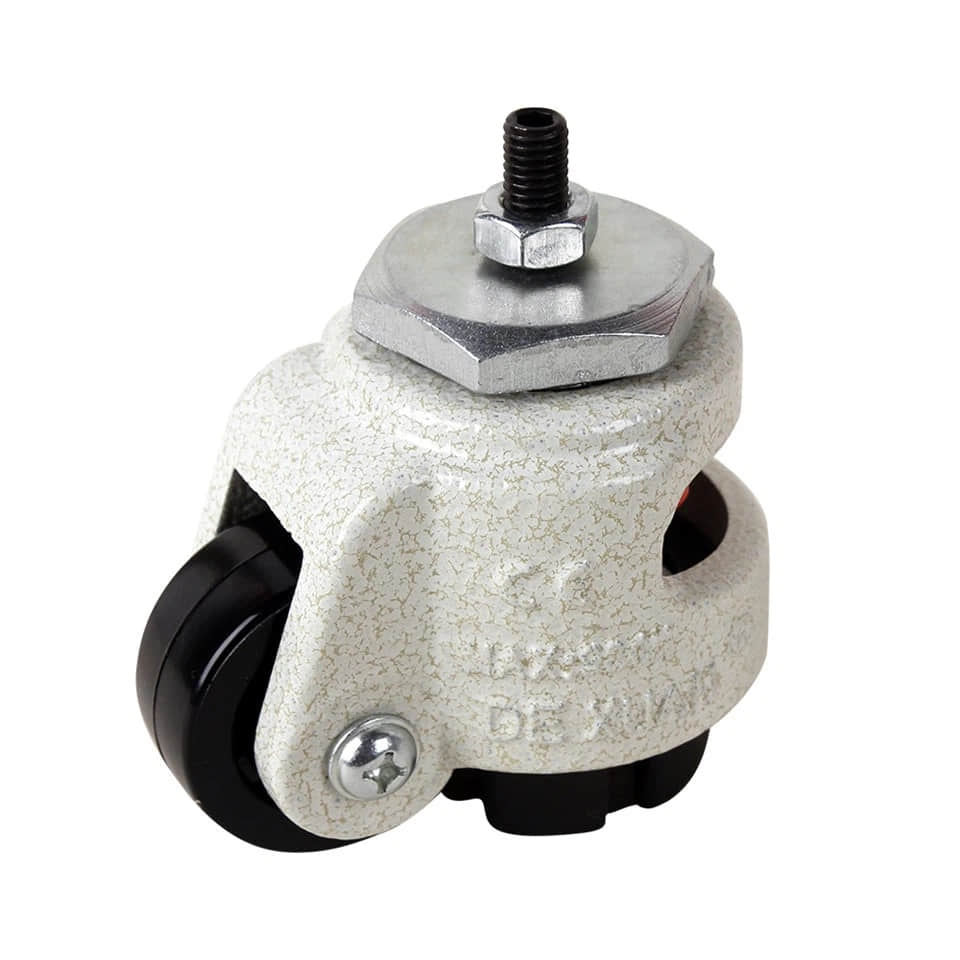
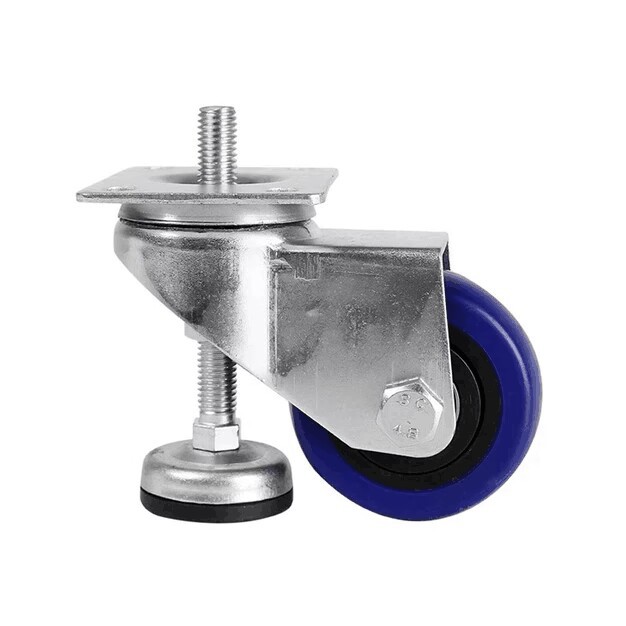
A height adjustable caster is a type of wheel and mount combination that can be adjusted to different heights. This allows the user to easily modify the height of a piece of furniture or equipment, such as chairs, tables, or carts, to accommodate different users or tasks. The height adjustment is typically achieved by either raising or lowering the stem of the caster within a bracket or socket, allowing for versatility and flexibility in various situations.
Parameter
Model | DXP - 62 | DXP - 75 | DXP - 100 |
Wheel Material | TPE | TPE | TPE |
Installation Height | 95 mm | 99 mm | 130 mm |
Wheel Diameter | 62mm | 75mm | 76mm??? |
Wheel Width | 32mm | 33mm | 55mm |
Bottom Plate Size | 94*67mm | 94*67mm | 94*67mm |
Hole Spacing | 73*44mm | 73*44mm | 73*44mm |
Screw Hole | 12*8 mm | 12*8 mm | 12*8 mm |
Leveling Foot Dia. | 45mm | 45mm | 45mm |
Screw Rod | M12 | M12 | M12 |
Single Load | 100kg | 100kg | 120kg |
Advantages of Height Adjustable Caster
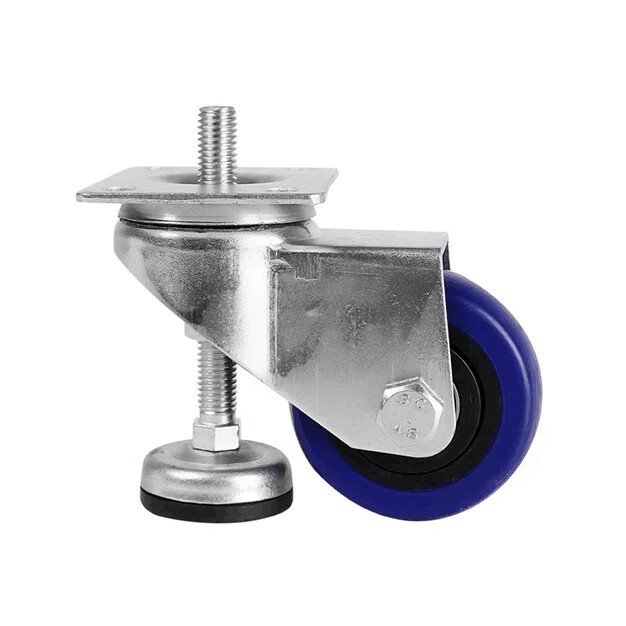
Height Adjustable Caster: Everything You Need to Know!
The height adjustable caster is made of a thickened bottom plate, wheels are made of durable wear-resistant rubber, which is quite use, a longer service life. These casters are suitable for use in facilities with very uneven floor surfaces or applications where furniture or equipment needs to be raised high off the floor, such as food-processing plants, medical settings, pharmaceutical facilities, packaging and conveying operations, and laboratories.
Different Types of Adjustable Caster
01
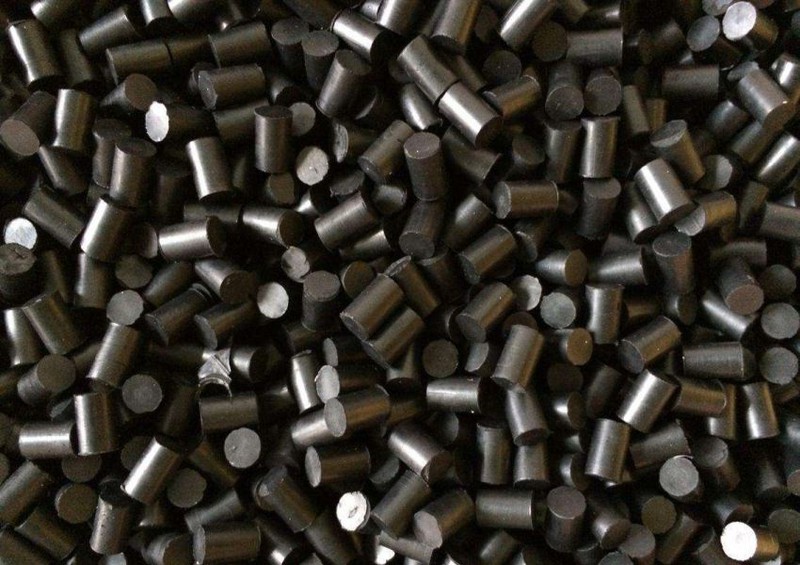
Rubber Caster
Rubber is popular for many types of applications. For caster wheels, rubber boasts excellent longevity owing to its ability to compress and bend. The elasticity also makes rubber easier on floors.
02
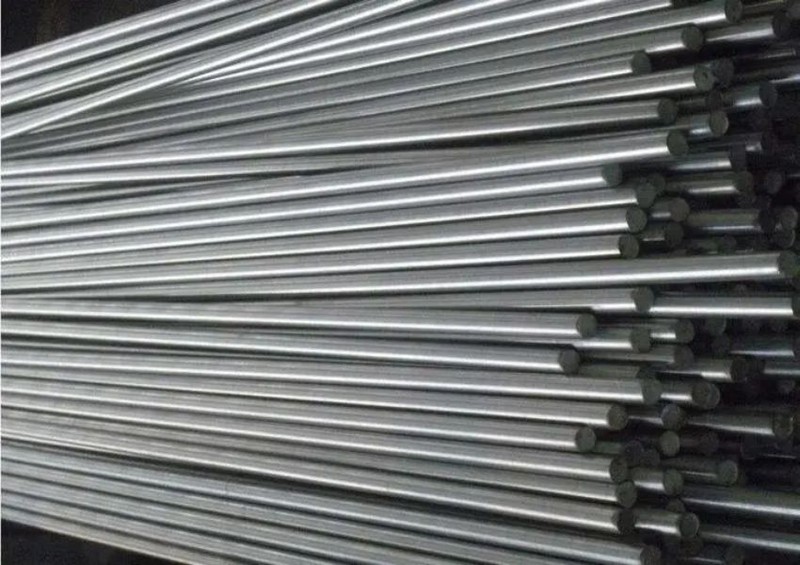
Iron Heavy-Duty Casters
When you have cast iron caster wheels, you can get maximum weight-bearing. These weight casters are ideal for when you are moving large and heavy pieces of equipment. Due to its material, an iron wheel caster may withstand a lot of weight.

03
Nylon Casters
Over the years, nylon wheel casters have grown in popularity due to their abrasion resistance on surfaces. Providing excellent traction for movement, nylon casters are easier on your floors. In addition, you can burden these casters with a fair amount of load.
】
 04
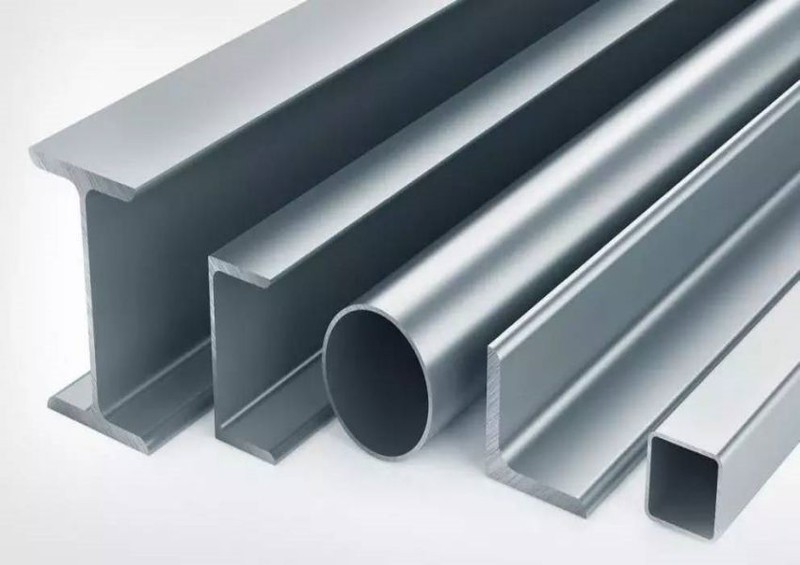
04Aluminum Casters
Lightweight and resilient, aluminum caster wheels offer an ideal balance of mobility and weight-bearing. Aluminum casters, for this reason, are a popular option for pneumatic caster wheels.
The Composition of Casters: Analyzing the Structure and Function of Casters
1. Wheels
The wheel is the core component of the caster, and its material and design directly affect the performance of the caster. Common adjustable caster materials include rubber, polyurethane, nylon, etc.
Rubber wheels have good anti-friction and shock-absorbing properties and are suitable for indoor smooth floors; polyurethane wheels have high load-bearing capacity and wear resistance and are suitable for heavy loads and uneven floors; nylon wheels have low friction coefficient and durability Abrasive, suitable for different indoor and outdoor floors.
2. Bearings
Bearings are the key parts that connect the wheels and brackets. They can reduce the friction when the wheels rotate and make the wheels rotate more smoothly. Common bearing types are ball bearings and sliding bearings.
Ball bearings are composed of steel balls, can withstand large loads, rotate flexibly, and are suitable for large equipment and heavy-load scenarios; sliding bearings reduce friction through lubricants and are suitable for small equipment and low-load scenarios.
3. Bracket
The bracket connects the wheels and equipment to support and fix it. Brackets are usually made of metal or plastic and have a certain degree of strength and rigidity.
4. Brake
The brake is a device that controls the fixation or release of the caster. The brake can lock or release the rotation of the wheel. Brakes usually come in foot-operated, manual, or screw-type designs. Caster brakes are widely used in equipment or furniture that require fixed position and anti-slip, such as workbenches, trolleys, etc.
 |  |  |  |
How to Clean and Lubricate Height Adjustable Caster
It is recommended that casters be lubricated every six months. If you use your caster wheels constantly or they bear more weight than they're designed for, consider lubricating more often.
1. Gather materials: You'll need two soft clothes, a suitable lubricant, a small brush (or toothpick), and rubber gloves.
2. Clean: Use a clean, soft cloth to wipe off any dirt on the caster's surface.
3. Lubricate: Spray lubricant onto every moving part of the caster.
4. Brush: Use a toothbrush or toothpick to reach the nooks and crannies.
5. Wipe: Wipe away any excess lubricant with a separate clean, soft cloth.
FAQ
Q: What are the benefits of an adjustable caster?
A: An adjustable leveling caster is a versatile and reliable upgrade if you find yourself always carrying heavy loads. It comes with a lock system that allows you to stay stationary, avoiding accidents or damage. What truly makes it stand out is a mechanism that makes any load stay level on the floor. You can also use this mechanism to raise the object if you want more mobility.
Q: What is the difference between a roller and a caster?
A: The wheel is limited in that it only spins on a single axis. It can only roll in one direction at a time. Casters incorporate wheels into their designs, but they are a bit more sophisticated. A caster includes the mounting system that holds the wheel in place.
Q: How does an adjustable caster work?
A: An adjustable caster typically consists of a mounting plate with holes or slots, allowing it to be connected to a surface or equipment. The caster wheel or wheels can be adjusted through the use of screws, knobs, or levers, altering the height or angle of the object being moved.
Q: Where are adjustable casters commonly used?
A: Adjustable casters are commonly used in various industries such as manufacturing, warehousing, medical facilities, and furniture production. They are used on carts, racks, shelving units, hospital beds, and many other objects that require easy movement.
Q: What are the benefits of using adjustable casters?
A: Using adjustable casters provides flexibility in changing the height or angle of wheeled objects, making it easier to move them around different surfaces or terrains. It also allows for better stability and balance when needed.
Q: How do I choose the right adjustable casters for my application?
A: To choose the right adjustable casters, consider factors such as load capacity, surface conditions, required mobility, and any specific needs such as lockable wheels or corrosion resistance.
Q: How can I maintain adjustable casters?
A: Maintaining adjustable casters involves regular inspections for wear and tear, cleaning debris and dirt from the wheels, and occasionally lubricating moving parts.
Q: Do adjustable casters require regular adjustments?
A: Depending on usage, adjustable casters may require periodic adjustments. Factors such as load changes, surface variations, or wear and tear can affect their performance. Monitoring and making necessary adjustments will help maintain optimal functionality.
Q: Can adjustable casters be used for heavy-duty applications?
A: Yes, there are heavy-duty adjustable casters designed to handle substantial loads. These casters often have reinforced construction and higher weight capacity ratings to accommodate demanding industrial or commercial applications.
Q: Are height adjustable casters suitable for medical equipment?
A: Yes, height adjustable casters are commonly used in medical facilities. They provide maneuverability for medical carts, beds, and other equipment, allowing for easy transportation within hospitals or clinics.
Q: Can adjustable casters be used on uneven surfaces?
A: Yes, adjustable casters are ideal for use on uneven surfaces. By adjusting the height or angle, they can adapt to different terrains and provide stability even on rough or irregular surfaces.
Q: How do I ensure proper alignment when using adjustable casters?
A: Ensuring proper alignment with adjustable casters involves adjusting each caster to the same height or angle, ensuring all wheels are in contact with the ground simultaneously. This provides stability and prevents unnecessary strain on the casters.
Q: Why use caster wheels?
A: A caster is a non-powered wheel that is designed to be fitted to the bottom of a bigger object and used to move it. Caster wheels are attached to the base of the device moving equipment and bringing about the mobility of those objects. They enable the movement of heavy objects with less force being applied.
Q: Can adjustable casters be used for furniture?
A: Yes, adjustable casters are commonly used for furniture such as chairs, tables, and carts. They allow for easy mobility and flexible positioning, making it convenient to move furniture as needed.
Q: Are there adjustable casters that reduce noise?
A: Yes, some adjustable casters are specifically designed to reduce noise. These casters often incorporate materials such as rubber or elastomers in the wheel construction to dampen vibrations and minimize noise generation.
Q: Can adjustable casters be used in temperature-controlled environments?
A: Yes, there are adjustable casters suitable for temperature-controlled environments. They are designed to withstand extreme temperatures or corrosive conditions often found in industrial settings such as freezers or chemical laboratories.
Q: Are rubber casters better?
A: Neoprene rubber casters deliver a softer and quieter ride than wheels made from harder materials, but they don't wear as well. Unlike casters made from polyurethane, for example, neoprene wheels tend to lose pieces of tread over time. They are not as resistant to wear and abrasion.
Q: How long do caster wheels last?
A: These casters last many years without replacement if they are properly cared for. This is the key, proper care and preventive maintenance will greatly prolong caster life, while misuse and mistreatment can lead to premature failure.
Q: How much weight can casters hold?
A: Light duty casters are for loads of up to 500 lbs. Medium duty casters are for weights of between 501 and 2,000 lbs. And heavy duty casters are for weights of more than 2,000 lbs. Just remember that casters are rated for the weight capacity of each caster, whether swivel or rigid and not for the entire set of casters.
Q: What is caster load height?
A: Load height refers to the distance from the top mounting surface of a caster to the bottom of the wheel. It's known as "load height" because it represents the height of the load with which the caster is used. Installing casters on the bottom of an object will make it taller.