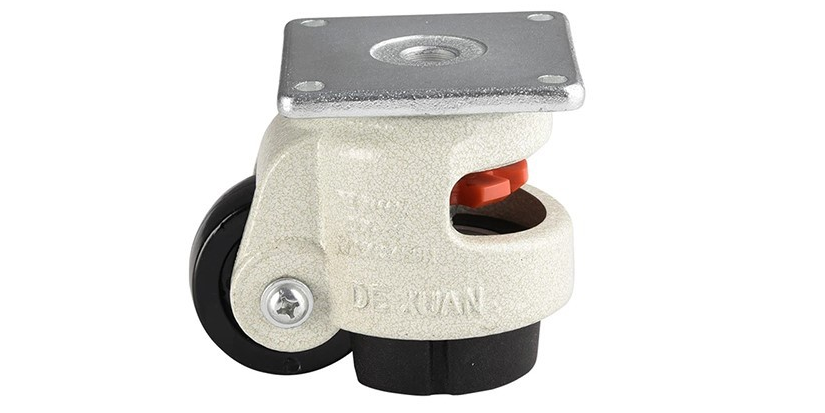
Welcome to DEXUAN
Internal Structure Of Casters
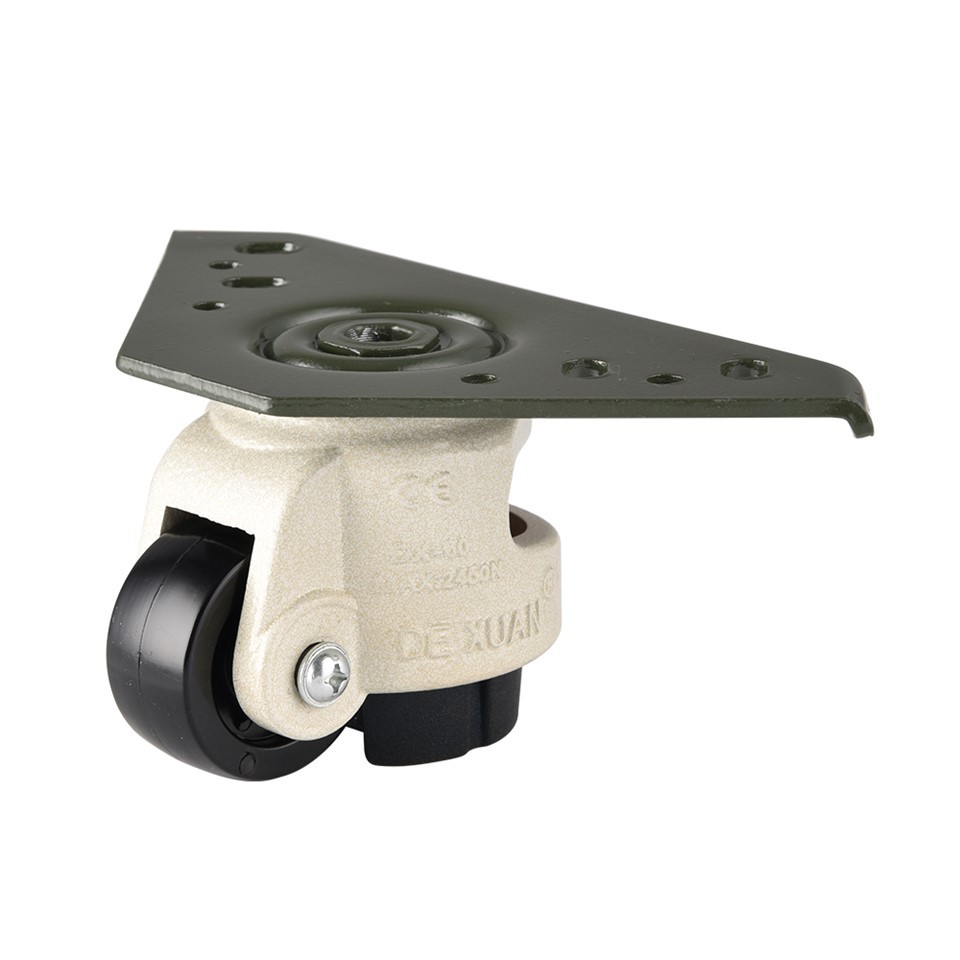
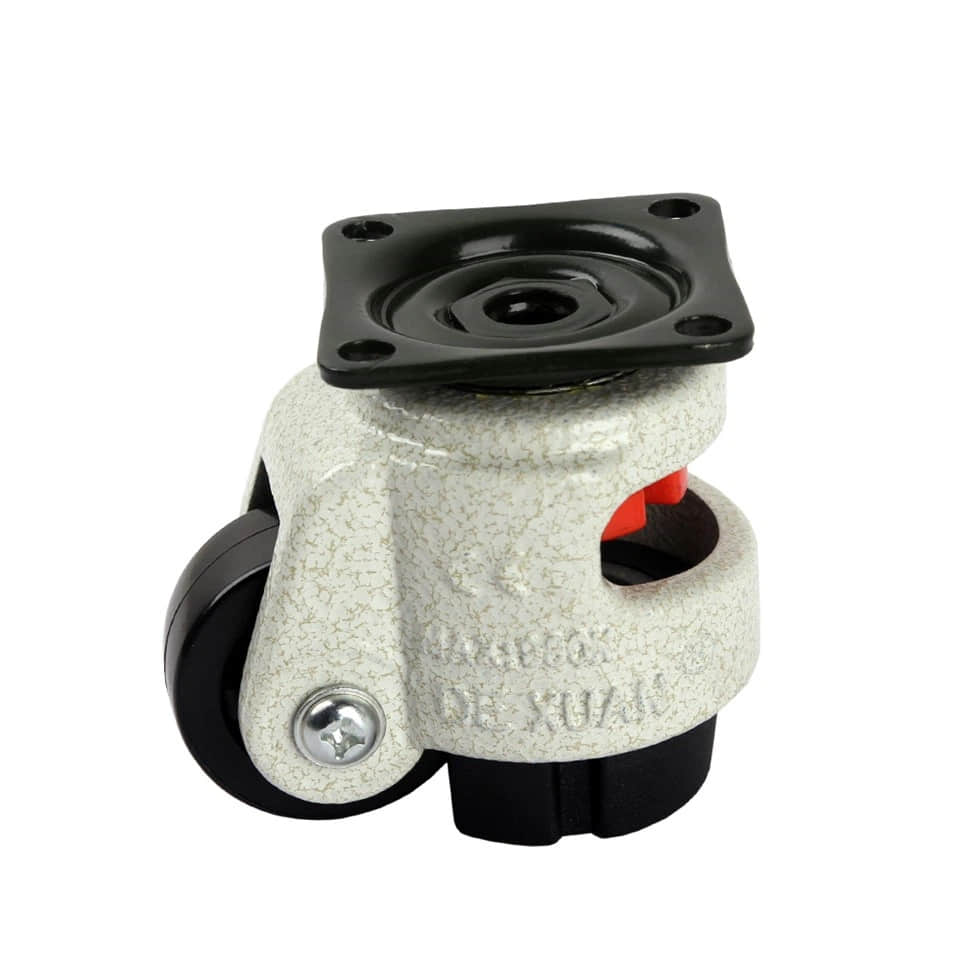
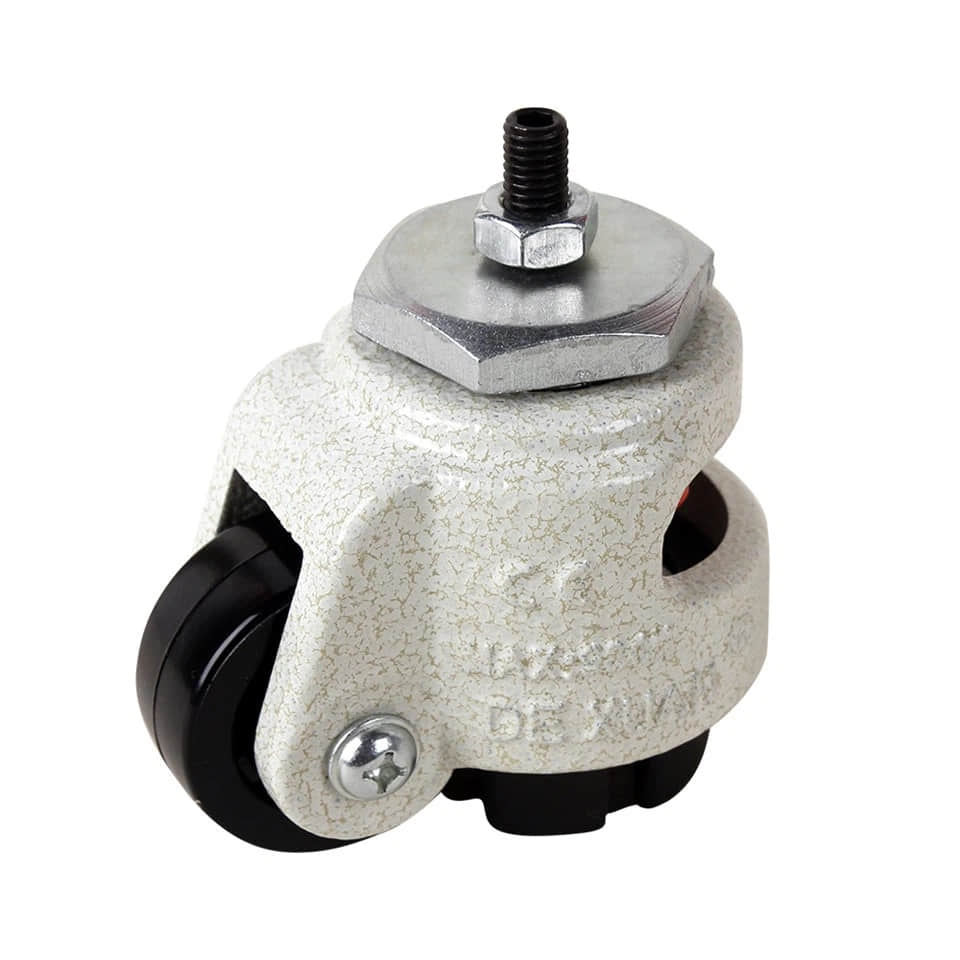
Casters are generally composed of a bracket and a wheel, that is, a single wheel. The bracket is generally made of metal, but there are also plastic ones. We often call plastic brackets all-plastic brackets. They are generally used more in the medical industry, and the furniture wheel industry also has more plastic brackets. In our industry, metal brackets are of course the most used.
1. Casters can be called fixed casters and universal casters. Fixed casters are equipped with a single wheel on the bracket and can only move in a straight line. Universal casters are equipped with a bracket that can turn 360 degrees and a single wheel, which can move in any direction at will.
2. Installation height: refers to the vertical distance from the ground to the installation position of the equipment. The installation height of the caster refers to the maximum vertical distance between the caster bottom plate and the wheel edge. Bracket turning center distance: refers to the horizontal distance from the vertical line of the center rivet to the center of the wheel core.
3. Turning radius: refers to the horizontal distance from the vertical line of the center rivet to the outer edge of the tire. The appropriate spacing allows the caster to turn 360 degrees. The rationality of the turning radius directly affects the service life of the caster.
4. Steering: Hard, narrow wheels are easier to turn than soft, wide wheels. The turning radius is an important parameter for wheel turning. A turning radius that is too short will increase the difficulty of turning, while a turning radius that is too large will cause the wheel to shake and shorten its life.
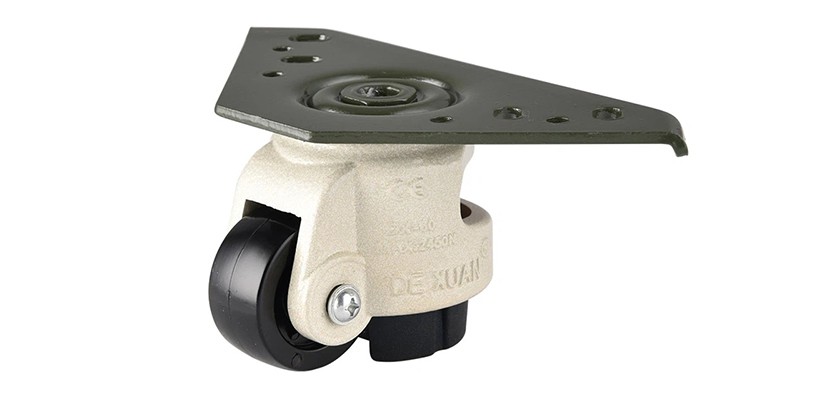
5. Driving flexibility: Factors that affect the driving flexibility of casters include the structure of the bracket and the selection of bracket steel, the size of the wheel, the type of wheel, the bearing, etc. The larger the wheel, the better the driving flexibility. On a smooth ground, hard, narrow wheels are more labor-saving than flat-edged soft wheels, but on uneven ground, soft wheels are more labor-saving, but on uneven ground, soft wheels can better protect the equipment and avoid shock.
6. Driving load: The load-bearing capacity of casters when moving is also called dynamic load. The dynamic load of casters varies depending on the factory's test method and the material of the wheel. The key lies in whether the structure and quality of the bracket can resist impact and vibration.
7. Impact load: The instantaneous load-bearing capacity of casters when the equipment is impacted or vibrated by the load.
8. Static load: The weight that the caster can bear in a stationary state. The static load should generally be 5 to 6 times the running load (dynamic load), and the static load should be at least twice the impact load.