Welcome to DEXUAN
How does the material of panel coupling affect its strength?
Hey there! As a panel coupling supplier, I've seen firsthand how the material of panel coupling can have a huge impact on its strength. Today, I'm gonna break down the different materials used in panel couplings and explain how they affect the overall strength of these crucial components.
Common Materials for Panel Couplings
Let's start by looking at some of the most common materials used to make panel couplings. Each material has its own unique properties that can influence the strength, durability, and performance of the coupling.
Steel
Steel is one of the most popular materials for panel couplings, and for good reason. It's known for its high strength and durability, making it suitable for a wide range of applications. Steel couplings can withstand heavy loads and high torque, which is essential in many industrial settings. There are different types of steel, such as carbon steel and stainless steel. Carbon steel is strong and relatively inexpensive, but it may be prone to rust if not properly coated. Stainless steel, on the other hand, offers excellent corrosion resistance in addition to its strength, making it a great choice for applications in harsh environments.
Aluminum
Aluminum is another commonly used material. It's lightweight compared to steel, which can be an advantage in applications where weight is a concern, like in the aerospace or automotive industries. Despite its lower weight, aluminum still offers decent strength. It also has good corrosion resistance, especially when anodized. However, it's not as strong as steel in terms of sheer load - bearing capacity. So, for applications that require very high strength, aluminum might not be the best option.
Plastic
Plastic panel couplings are becoming more and more popular, especially in applications where cost - effectiveness and electrical insulation are important. There are different types of plastics used, such as nylon and polycarbonate. Nylon is tough and has good wear resistance. It can absorb shock and vibration, which can be beneficial in some applications. Polycarbonate, on the other hand, is known for its high transparency and impact resistance. But plastic couplings generally have lower strength compared to metal ones, and they may not be suitable for applications with high loads or extreme temperatures.
How Material Affects Strength
Now, let's dig deeper into how these materials actually affect the strength of panel couplings.
Tensile Strength
Tensile strength is the ability of a material to resist being pulled apart. Steel has a very high tensile strength, which means it can handle large pulling forces without breaking. This is crucial in applications where the coupling is under tension, such as in a conveyor system where it needs to transfer power and support the weight of the conveyed materials. Aluminum has a lower tensile strength compared to steel, but it's still sufficient for many light - to medium - duty applications. Plastic, on the other hand, has relatively low tensile strength, so it's usually limited to applications with low pulling forces.
Compressive Strength
Compressive strength is the ability of a material to resist being squeezed or crushed. Steel again excels in this area, as it can withstand high compressive forces. This is important in applications where the coupling is subject to pressure, like in a hydraulic system. Aluminum has a decent compressive strength, but it's not as high as steel. Plastic couplings have the lowest compressive strength among the three materials, and they may deform or break under high - pressure conditions.
Shear Strength
Shear strength is the ability of a material to resist forces that cause one part of the material to slide past another. Steel has excellent shear strength, making it suitable for applications where the coupling is subject to twisting or cutting forces. Aluminum has a lower shear strength than steel, but it can still handle moderate shear forces. Plastic couplings have relatively low shear strength, so they are not recommended for applications with high - shear loads.
Application - Specific Considerations
The choice of material for a panel coupling also depends on the specific application.
Industrial Machinery
In industrial machinery, such as manufacturing equipment and heavy - duty pumps, high - strength materials like steel are often preferred. These machines typically operate under high loads and high torque, so a coupling with high tensile, compressive, and shear strength is necessary. For example, in a large - scale manufacturing plant, a steel panel coupling can ensure reliable power transmission and long - term durability.
Electronics
In the electronics industry, where weight and electrical insulation are important, plastic or aluminum couplings may be a better choice. Plastic couplings can provide electrical insulation, which is crucial in preventing electrical interference. Aluminum is lightweight and can be used in applications where space and weight are limited, such as in small electronic devices.
Outdoor and Harsh Environments
For outdoor applications or those in harsh environments, corrosion resistance becomes a key factor. Stainless steel or anodized aluminum couplings are ideal in these situations. They can withstand exposure to moisture, chemicals, and extreme temperatures without losing their strength or functionality. For instance, in a marine environment, a stainless - steel panel coupling can resist the corrosive effects of saltwater.
Related Products
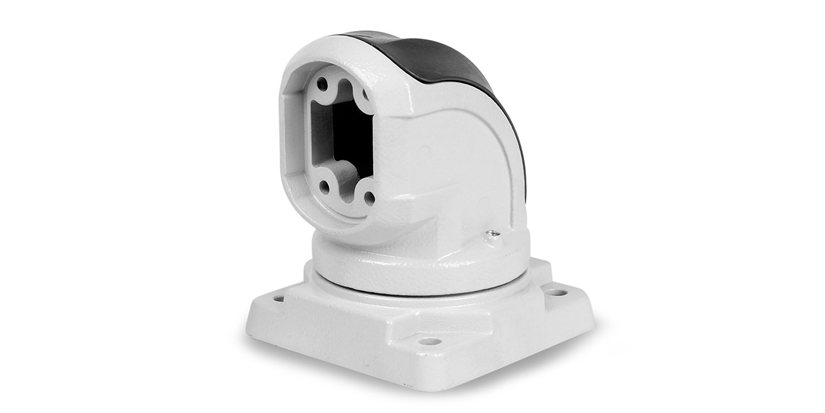
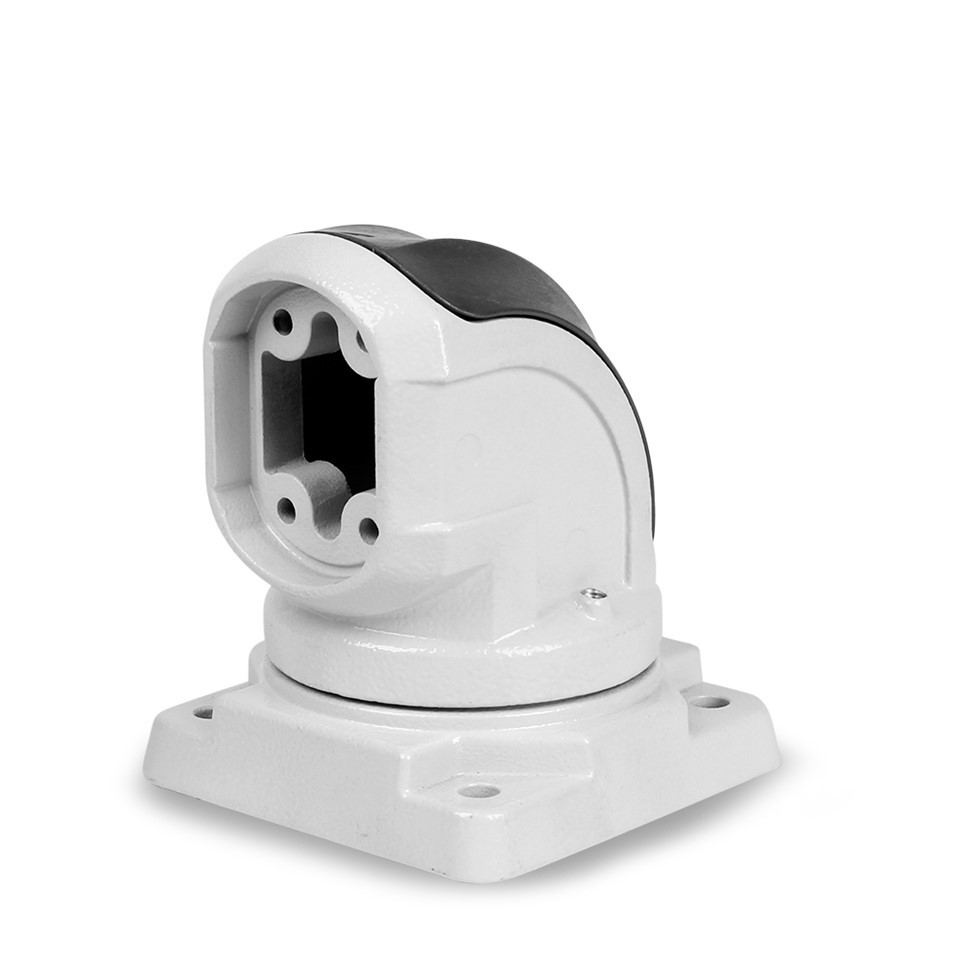
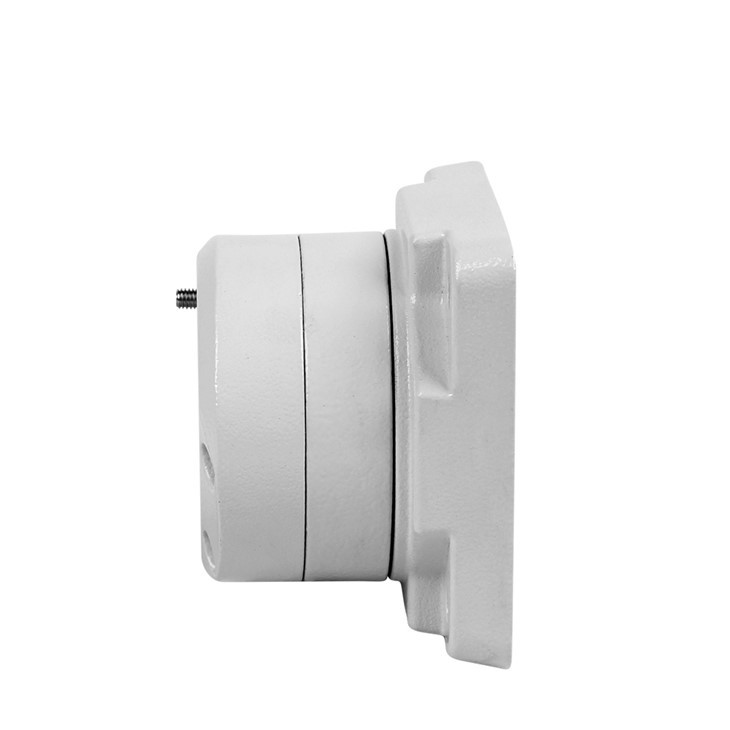
If you're looking for specific types of panel couplings, we also offer some related products. Check out our Top Mounted 90° Angle Joint, Rotatable Top Mounted, and Top Mounted Vertical Outlet. These products are designed to meet different installation and usage requirements, and they are made with high - quality materials to ensure strength and durability.
Conclusion
In conclusion, the material of a panel coupling plays a vital role in determining its strength. Steel offers high strength in all aspects, making it suitable for heavy - duty applications. Aluminum provides a good balance between weight and strength, and it's great for applications where weight is a concern. Plastic is cost - effective and offers electrical insulation, but it has lower strength compared to metals. When choosing a panel coupling, it's important to consider the specific requirements of your application, including load, environment, and functionality.
If you're in the market for panel couplings or have any questions about material selection and strength, don't hesitate to reach out to us. We're here to help you find the perfect coupling for your needs and ensure your project runs smoothly.
References
"Materials Science and Engineering: An Introduction" by William D. Callister Jr. and David G. Rethwisch
Industry reports on panel coupling applications and material properties