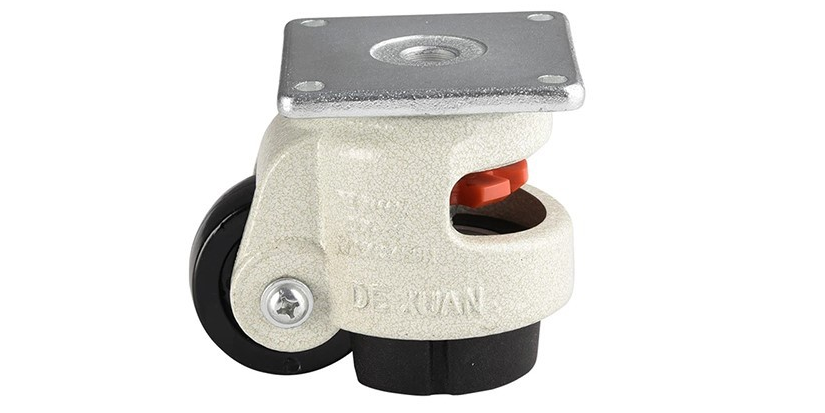
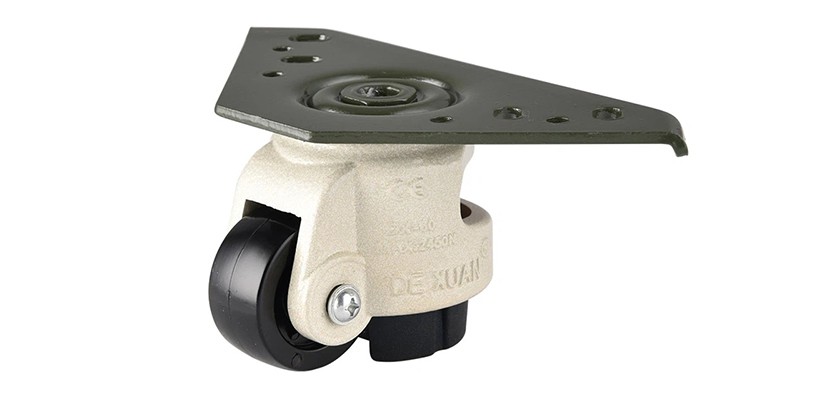
Welcome to DEXUAN
Can a leveling foot be used on a leather surface?
Hey there! As a leveling foot supplier, I often get asked a bunch of questions about where and how our products can be used. One question that popped up quite a bit lately is, "Can a leveling foot be used on a leather surface?" Well, let's dig into this topic and find out.
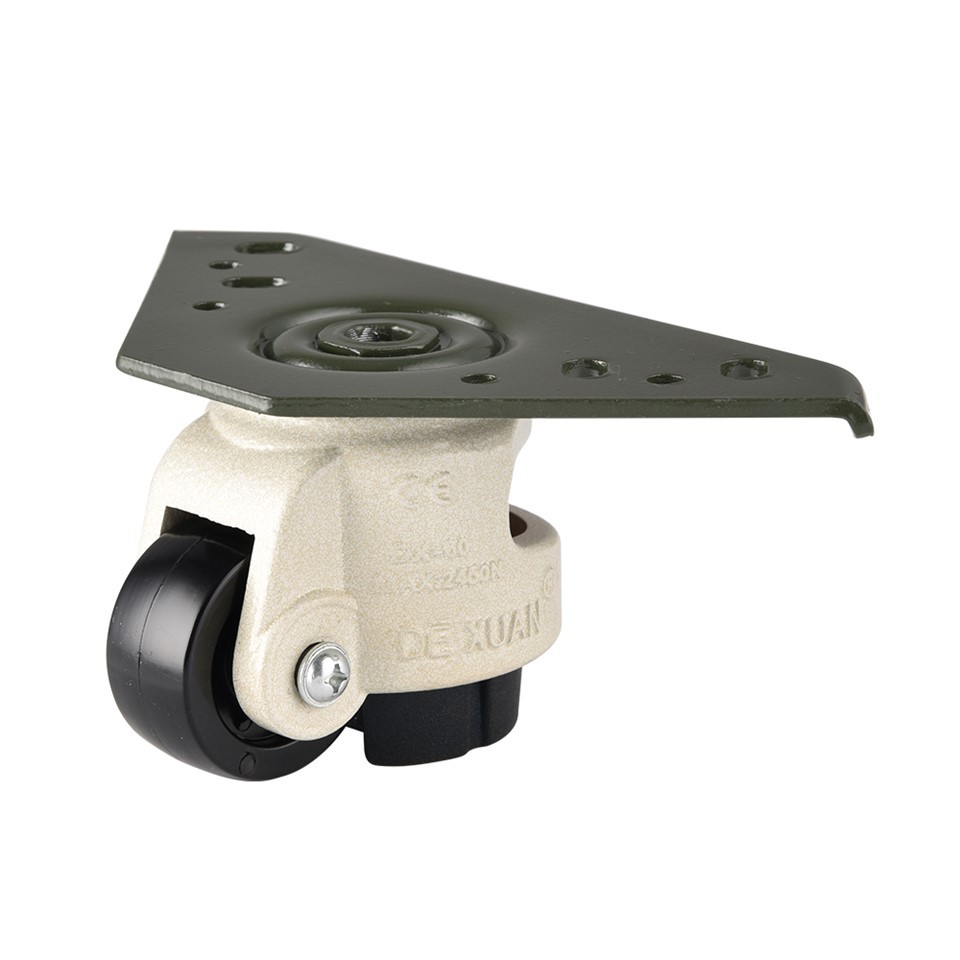
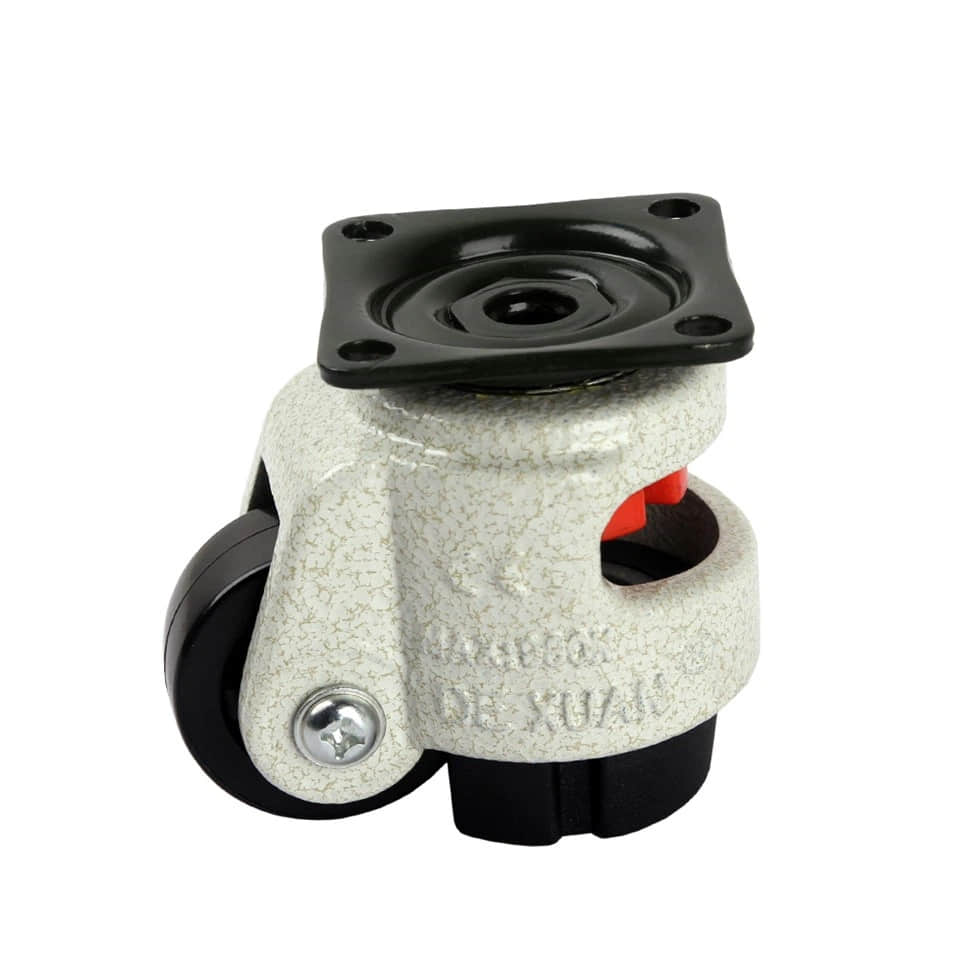
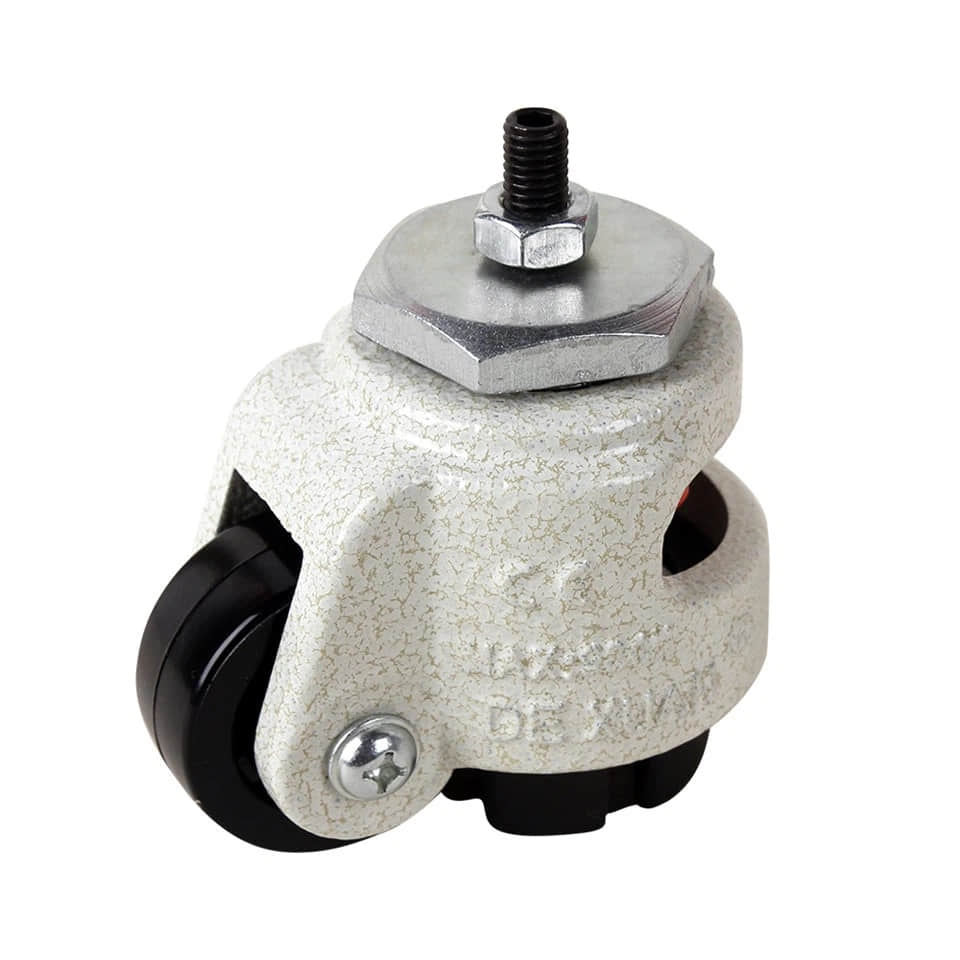
First off, let's talk a bit about what leveling feet are. They're those little (or sometimes not - so - little) devices that help stabilize all sorts of equipment. Whether it's a small piece of furniture or a big industrial machine, leveling feet play a crucial role in making sure things stand steady. We've got different types of leveling feet in our catalog, like Industrial Machine Leveling Feet and Heavy Duty Adjustable Leveling Feet, each designed for specific needs.
Now, back to the main question. Using a leveling foot on a leather surface has its pros and cons. Leather is a soft and delicate material. On one hand, if you're dealing with a piece of furniture covered in leather, like a leather - topped table or a fancy leather - lined cabinet, using a leveling foot can actually help keep it stable. Uneven floors can cause these items to wobble, which not only looks bad but can also lead to damage over time. A properly installed leveling foot can prevent that wobbling and keep your leather - covered furniture in tip - top shape.
But here's the catch. Leather is prone to scratching and marking. If the base of the leveling foot is rough or has sharp edges, it can easily damage the leather surface. You don't want to end up with a beautiful leather table that's all scratched up because of a poorly chosen leveling foot. So, if you're going to use a leveling foot on leather, you need to be super careful about the type of foot you select.
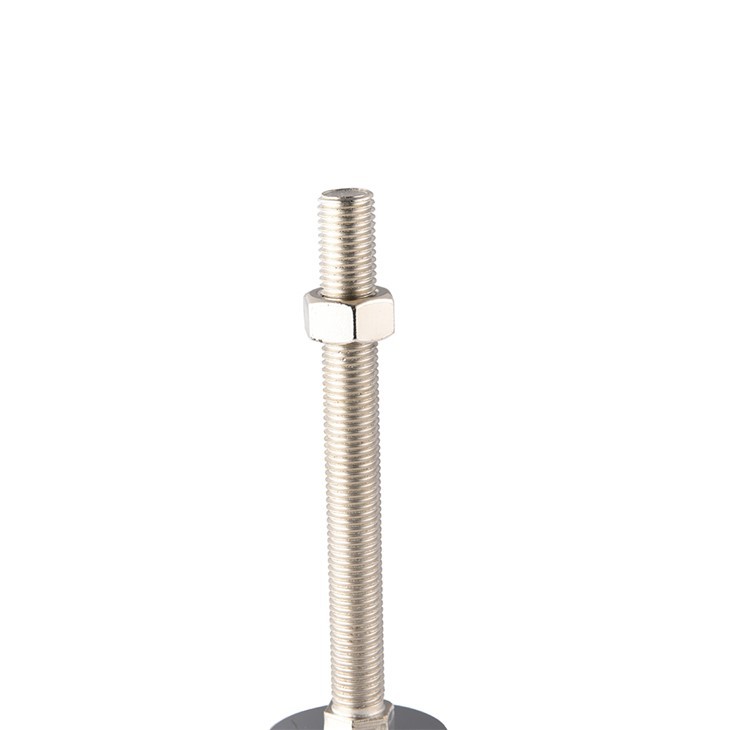
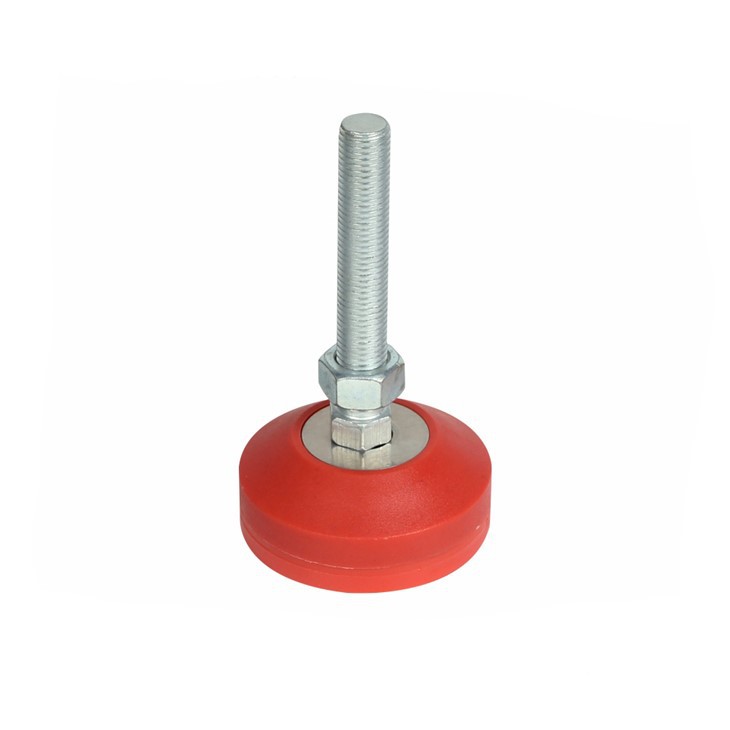
There are a few things to consider when choosing a leveling foot for a leather surface. The material of the foot is crucial. Soft rubber or silicone feet are usually a good option. These materials are gentle on the leather and are less likely to cause scratches. They also provide good grip, which helps keep the equipment stable. On the other hand, feet made of hard plastic or metal should generally be avoided. They can be too abrasive and might leave marks on the leather.
Another factor is the design of the foot. Some leveling feet have a flat base, while others have a rounded or domed shape. A flat - based foot distributes the weight more evenly, which can be better for the leather surface. A rounded or domed foot might put more pressure on a smaller area, increasing the risk of damage.
Let's look at some real - life scenarios. Say you have a leather - covered coffee table. It's sitting on an uneven floor and keeps wobbling every time someone puts a cup on it. You decide to use a leveling foot. You'd want to choose a soft - rubber, flat - based foot. First, clean the area where you're going to attach the foot to make sure there's no dirt or debris that could get trapped between the foot and the leather. Then, carefully attach the foot according to the manufacturer's instructions. Make sure it's level and that it doesn't stick out too far, as that could also cause problems.
Now, if you're dealing with a larger piece of equipment, like an industrial leather - working machine, the situation is a bit different. You might need a Heavy Duty Adjustable Leveling Feet to handle the weight. But again, you need to make sure the contact surface of the foot is suitable for leather. You might need to do some custom modifications or use protective pads to prevent damage.
It's also important to note that the thickness and quality of the leather matter. Thicker, high - quality leather is more likely to withstand the pressure from a leveling foot without getting damaged. Thinner or lower - quality leather might be more vulnerable. So, before you make a decision, take a good look at the leather and assess its durability.
In some cases, you might want to test the leveling foot on a small, inconspicuous area of the leather first. This way, you can see if it causes any damage or marking before you commit to using it on the entire surface. It's a simple precaution that can save you a lot of headaches in the long run.
If you're still not sure whether a leveling foot is right for your leather surface, don't hesitate to reach out to us. We've got a team of experts who can help you choose the best leveling foot for your specific needs. We understand that every situation is different, and we're here to provide you with the right solutions.
In conclusion, yes, a leveling foot can be used on a leather surface, but it requires careful consideration. By choosing the right type of foot, paying attention to the material and design, and taking proper precautions, you can use a leveling foot to keep your leather - covered equipment stable without causing damage. Whether you're dealing with a small piece of furniture or a large industrial machine, we've got the products and the knowledge to help you out.
If you're interested in purchasing leveling feet for your leather - related projects or any other applications, feel free to get in touch with us. We're always ready to have a chat about your requirements and offer the best products at competitive prices. Let's work together to find the perfect leveling solution for you!
References:
General knowledge about leveling feet and leather properties from industry experience.
Product specifications and guidelines from leveling foot manufacturers.