Welcome to DEXUAN
Can a Support Arm Adaptor be used with a digital signage display?
Can a Support Arm Adaptor be used with a digital signage display?
In the dynamic world of digital signage, the quest for optimal display solutions is unending. One key consideration is the use of support arm adaptors in conjunction with digital signage displays. As a supplier of support arm adaptors, I've witnessed firsthand the transformative impact these components can have on digital signage setups. In this blog post, I'll explore the feasibility, benefits, and considerations of using a support arm adaptor with a digital signage display.
Understanding Support Arm Adaptors
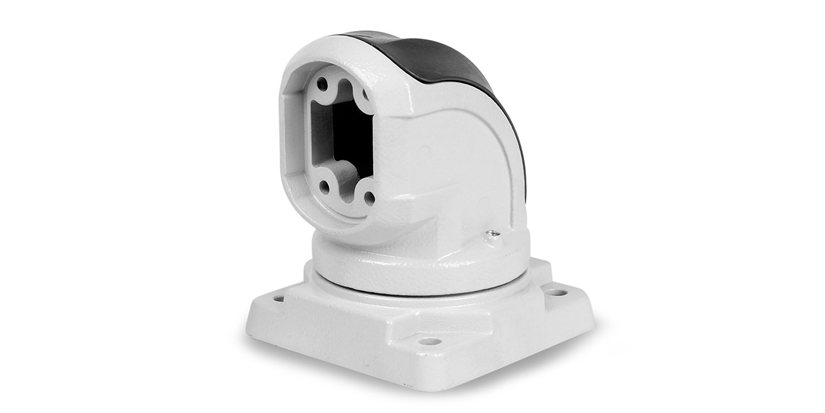
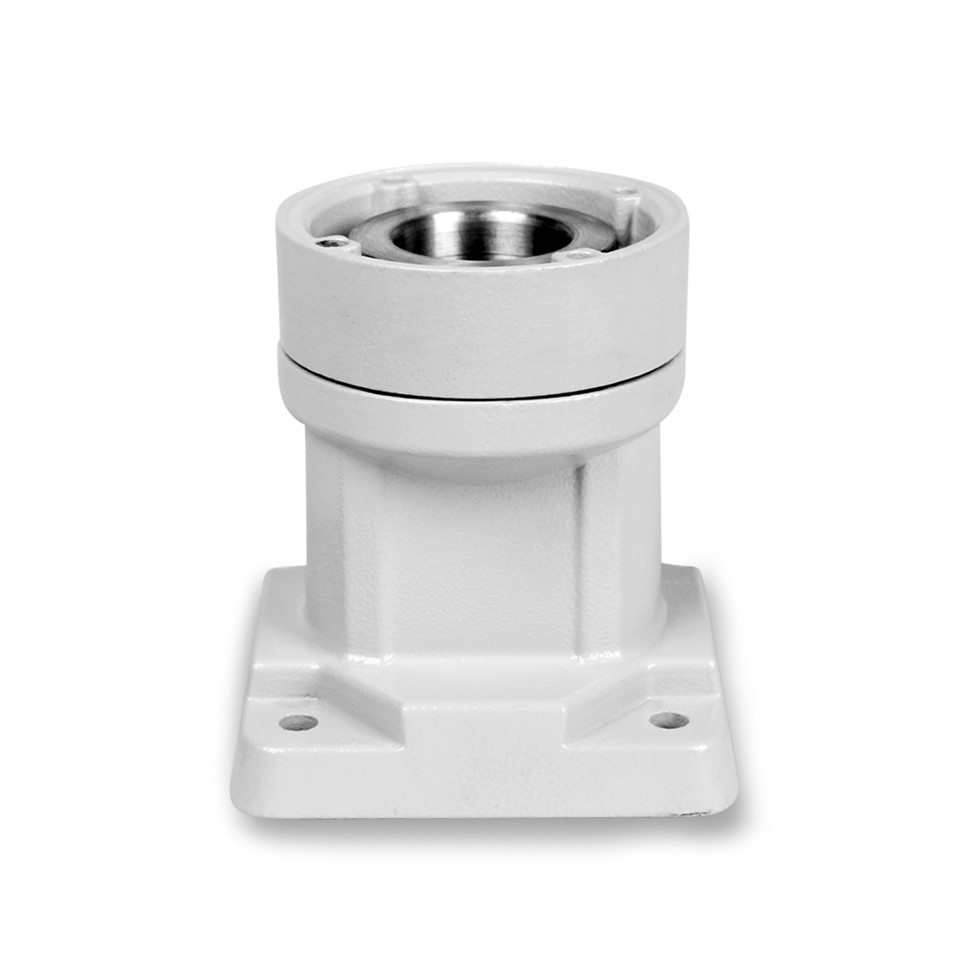
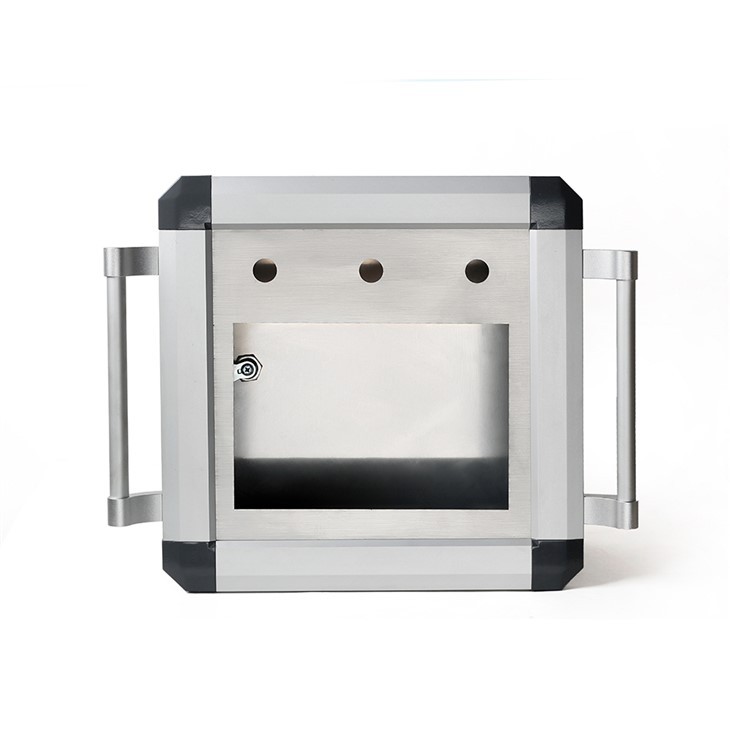
Support arm adaptors are specialized components designed to connect digital displays to support arm systems. They come in various shapes, sizes, and configurations to accommodate different display models and support arm types. These adaptors serve as a bridge between the display and the support arm, enabling seamless integration and functionality.
One of the primary functions of a support arm adaptor is to provide a secure and stable connection between the display and the support arm. This ensures that the display remains firmly in place, even when subjected to movement or vibrations. Additionally, support arm adaptors often feature adjustable mounting options, allowing for precise positioning and alignment of the display.
Compatibility with Digital Signage Displays
The compatibility of a support arm adaptor with a digital signage display is a crucial factor to consider. Most modern digital signage displays are designed to be compatible with standard VESA mounting patterns, which are widely used in the industry. Support arm adaptors typically adhere to these VESA standards, ensuring a universal fit with a wide range of displays.
However, it's important to note that not all displays are created equal. Some displays may have unique mounting requirements or non-standard dimensions, which could pose challenges when using a support arm adaptor. In such cases, it's essential to carefully review the specifications of both the display and the adaptor to ensure compatibility.
Another consideration is the weight and size of the display. Support arm adaptors are rated for specific weight capacities, and it's important to choose an adaptor that can safely support the weight of the digital signage display. Exceeding the weight capacity of the adaptor can lead to instability, damage to the display or support arm, and potential safety hazards.
Benefits of Using a Support Arm Adaptor with a Digital Signage Display
There are several benefits to using a support arm adaptor with a digital signage display. One of the primary advantages is enhanced flexibility and adjustability. Support arm systems allow for easy movement and positioning of the display, enabling users to optimize the viewing angle and orientation based on the specific environment and audience.
For example, in a retail store, a support arm adaptor can be used to position the digital signage display at eye level, ensuring maximum visibility and engagement with customers. In a corporate setting, the display can be adjusted to face different directions or tilted to reduce glare, providing a more comfortable viewing experience for employees and visitors.
Another benefit is improved space utilization. Support arm systems can be mounted on walls, desks, or other surfaces, allowing for efficient use of available space. This is particularly useful in environments where floor space is limited, such as small offices or kiosks. By mounting the display on a support arm, users can free up valuable floor space and create a more organized and clutter-free environment.
In addition, support arm adaptors can enhance the aesthetics of a digital signage setup. They provide a clean and professional look, hiding the cables and wiring behind the display and support arm. This not only improves the overall appearance of the display but also reduces the risk of damage to the cables and wiring.
Considerations When Using a Support Arm Adaptor with a Digital Signage Display
While there are many benefits to using a support arm adaptor with a digital signage display, there are also some considerations to keep in mind. One of the main challenges is the installation process. Installing a support arm adaptor requires careful planning and precise alignment to ensure a secure and stable connection. It's important to follow the manufacturer's instructions and use the appropriate tools and hardware to ensure a proper installation.
Another consideration is the maintenance and servicing of the support arm adaptor and display. Regular maintenance, such as cleaning and tightening of the mounting hardware, is essential to ensure the continued performance and longevity of the system. In addition, it's important to have a plan in place for servicing and repairs in case of any issues or malfunctions.
Finally, it's important to consider the cost of the support arm adaptor and support arm system. While these components can provide significant benefits, they also represent an additional investment. It's important to weigh the cost against the potential benefits and determine if the investment is justified based on the specific needs and budget of the project.
Conclusion
In conclusion, a support arm adaptor can be a valuable addition to a digital signage display setup. It provides enhanced flexibility, adjustability, and space utilization, while also improving the aesthetics of the display. However, it's important to carefully consider the compatibility, installation, maintenance, and cost factors before making a decision.
As a supplier of support arm adaptors, I'm committed to providing high-quality products and exceptional customer service. If you're considering using a support arm adaptor with a digital signage display, I encourage you to contact me to discuss your specific needs and requirements. I'll be happy to provide you with more information and help you find the right solution for your project.
References
"Digital Signage Best Practices," Digital Signage Federation, [https://digitalsignagefederation.org/best - practices/](https://digitalsignagefederation.org/best - practices/)
"VESA Mounting Interface Standard," Video Electronics Standards Association, [https://www.vesa.org/standards - and - resources/standards/mounting - interface - standard/](https://www.vesa.org/standards - and - resources/standards/mounting - interface - standard/)
"Support Arm System Installation Guide," Manufacturer's Documentatio