Welcome to DEXUAN
Do heavy duty casters need lubrication?
Hey there! As a supplier of heavy-duty casters, I often get asked a bunch of questions about these bad boys. One question that pops up quite frequently is, "Do heavy-duty casters need lubrication?" Well, let's dive right into it and find out.
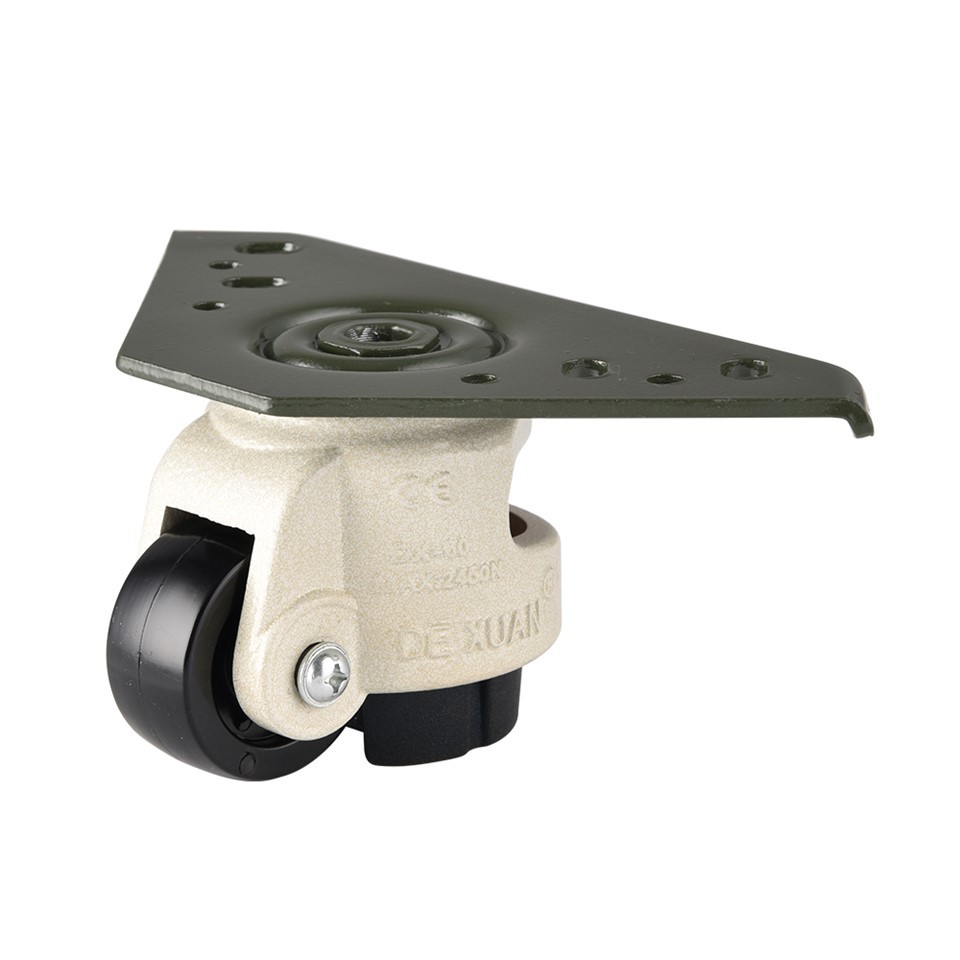
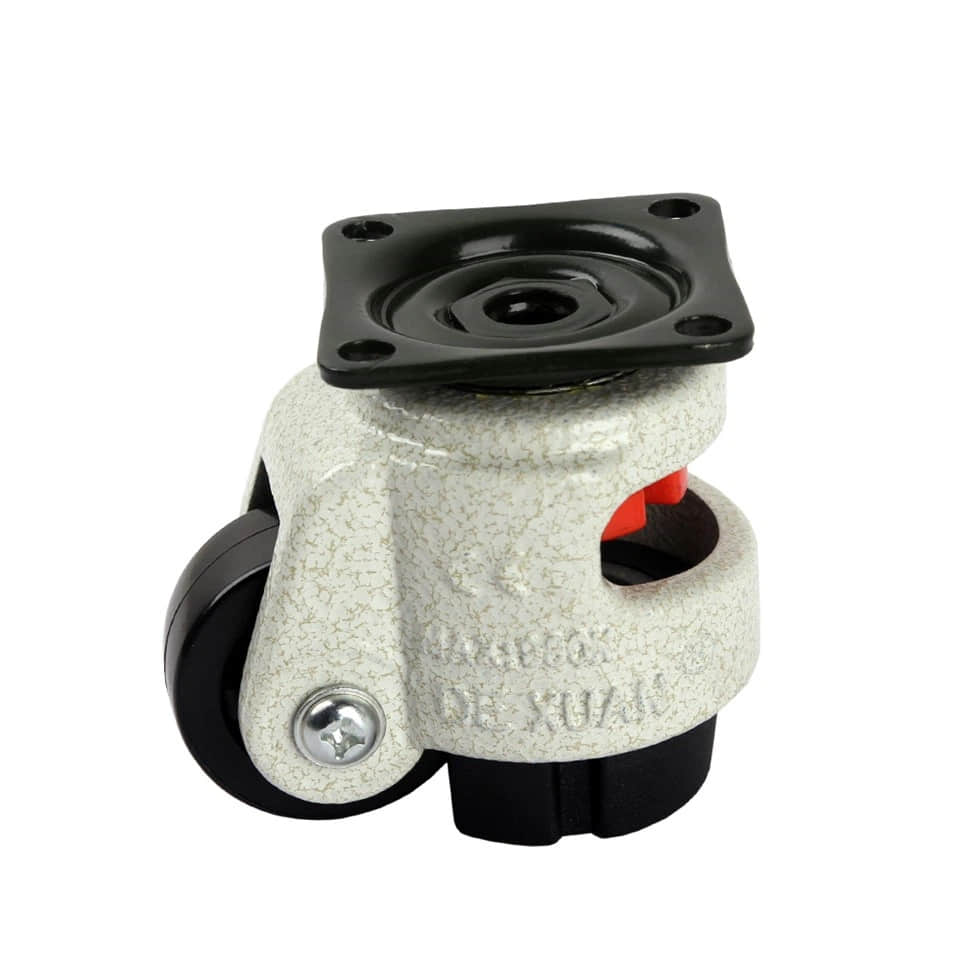
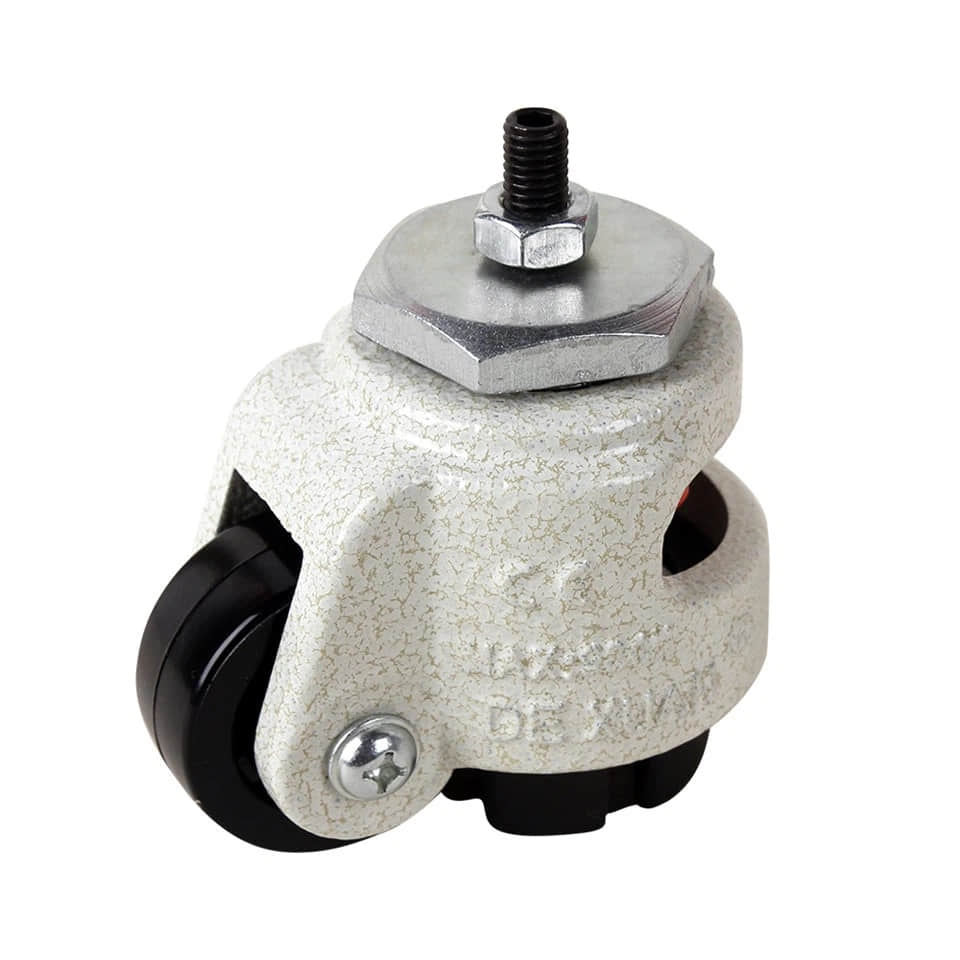
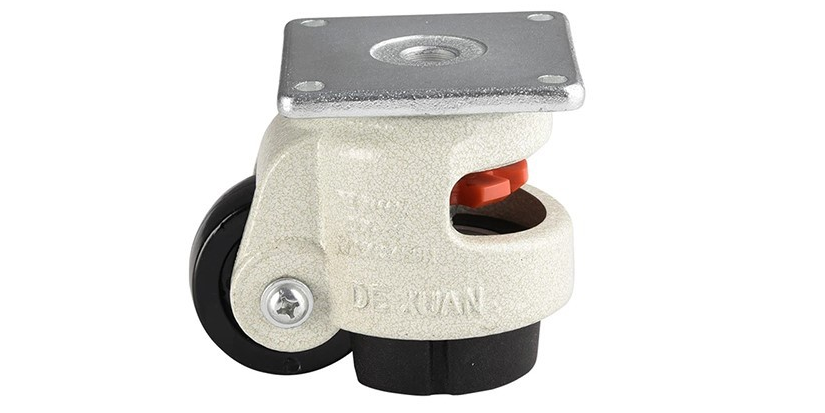
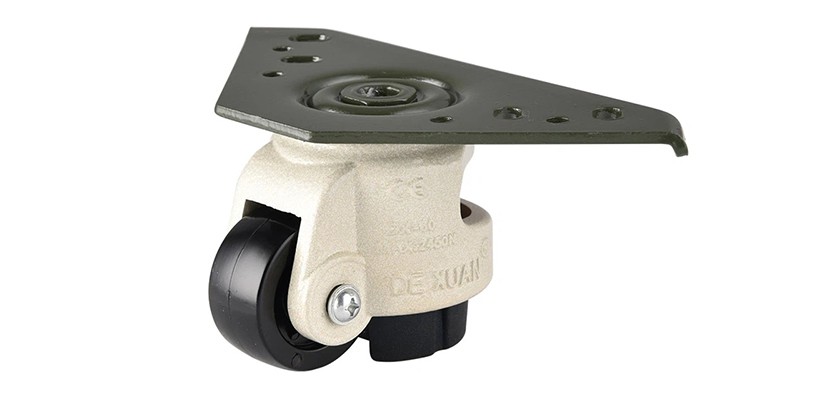
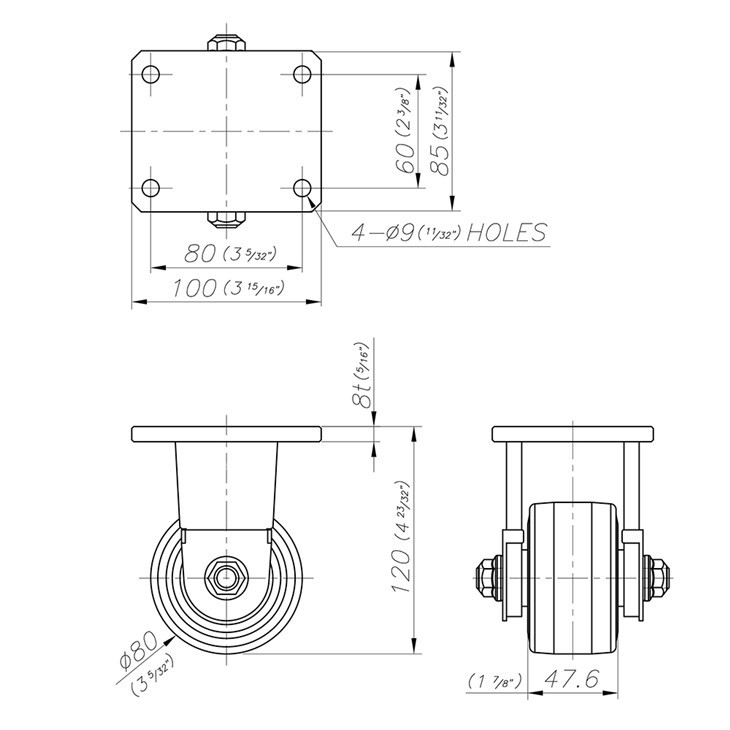
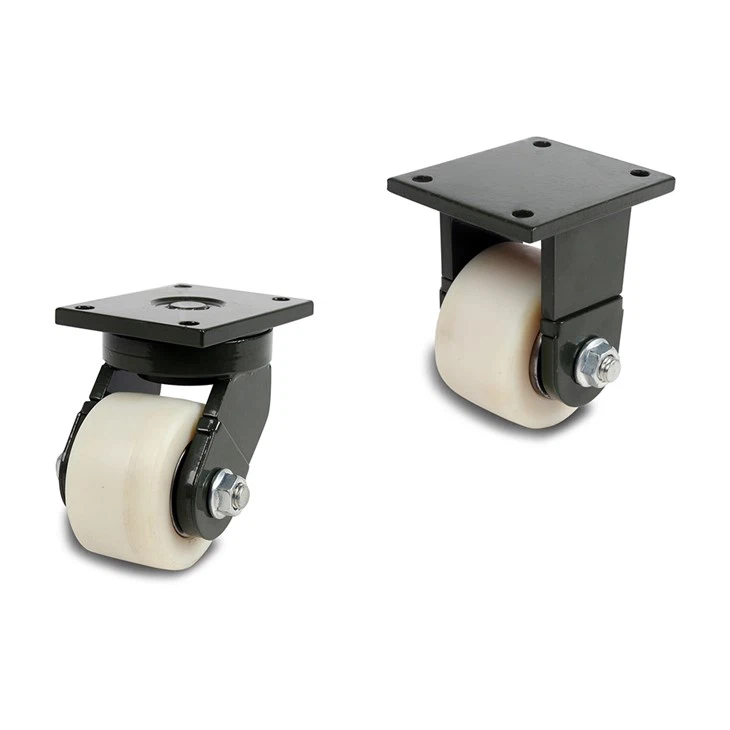
First off, let's understand what heavy-duty casters are. These are the tough guys in the caster world, designed to handle some serious weight and rough conditions. You've got Rigid Heavy Duty Caster, which are great for straight-line movement and providing stability, and Swivel Heavy Duty Caster, which allow for easy maneuverability in different directions. They're used in all sorts of industries, from manufacturing plants to warehouses, hospitals, and even in some big construction projects.
Now, back to the lubrication question. The short answer is, in most cases, yes, heavy-duty casters do need lubrication. But why? Well, there are a few good reasons.
Reasons for Lubricating Heavy Duty Casters
Reducing Friction
Friction is the enemy when it comes to casters. When there's too much friction between the moving parts of a caster, like the wheel bearings or the swivel mechanism, it can cause a whole bunch of problems. For starters, it makes the caster harder to move. You'll find yourself pushing or pulling with more force, which can be a real pain in the you-know-what, especially if you're dealing with heavy loads.
Moreover, increased friction leads to more wear and tear on the caster components. The bearings can start to wear out faster, and the swivel parts can get damaged over time. This not only shortens the lifespan of the caster but also increases the risk of breakdowns and accidents. By lubricating the caster, you create a smooth layer between the moving parts, reducing friction and allowing them to move more freely.
Preventing Corrosion
Heavy-duty casters are often exposed to all sorts of harsh environments. They might be used in wet or humid conditions, or they could come into contact with chemicals and other corrosive substances. Over time, these elements can cause the metal parts of the caster to rust and corrode.
Lubrication acts as a protective barrier against corrosion. It seals the metal surfaces, preventing moisture and other corrosive agents from getting in and causing damage. This helps to keep the caster in good working condition for longer and reduces the need for frequent replacements.
Improving Performance
A well-lubricated caster simply performs better. It rolls more smoothly, which means you can move your loads more easily and efficiently. This can save you time and energy in the long run. Additionally, lubrication can reduce noise levels. When there's less friction, there's less rattling and squeaking, creating a quieter working environment.
When to Lubricate
So, now that we know why lubrication is important, the next question is, when should you do it? Well, there's no one-size-fits-all answer to this question. The frequency of lubrication depends on a few factors, such as the type of caster, the environment it's used in, and the amount of use it gets.
In general, if your casters are used in a clean, dry environment and are not subjected to heavy loads or frequent use, you might only need to lubricate them every few months. However, if they're used in a harsh environment, like a manufacturing plant with lots of dust and debris, or if they're constantly moving heavy loads, you might need to lubricate them more often, perhaps every few weeks or even days.
It's also a good idea to check the manufacturer's recommendations. They usually provide guidelines on how often to lubricate their specific casters based on their design and intended use.
How to Lubricate
Okay, so you've decided it's time to lubricate your heavy-duty casters. How do you do it? Here's a simple step-by-step guide:
Clean the Caster: Before you start lubricating, make sure the caster is clean. Remove any dirt, dust, or debris from the wheel, bearings, and swivel mechanism. You can use a brush or a cloth to do this. This helps to ensure that the lubricant can do its job properly and that there's no grit or other particles that could cause additional wear.
Choose the Right Lubricant: Not all lubricants are created equal. You need to choose a lubricant that's suitable for the type of caster and the environment it's used in. For example, if the caster is used in a high-temperature environment, you'll need a lubricant that can withstand those temperatures. If it's used in a wet or humid environment, you'll want a lubricant that provides good corrosion protection.
Apply the Lubricant: Once you've chosen the right lubricant, apply it to the appropriate parts of the caster. For wheel bearings, you can usually apply the lubricant through the bearing holes. For the swivel mechanism, apply it to the pivot point and any other moving parts. Be careful not to over-lubricate, as too much lubricant can attract dirt and debris, which can actually cause more problems.
Test the Caster: After applying the lubricant, test the caster to make sure it's moving smoothly. Roll it back and forth a few times and check for any signs of stiffness or unusual noise. If everything seems okay, you're good to go.
Exceptions to the Rule
Now, I should mention that there are some exceptions to the rule that all heavy-duty casters need lubrication. Some modern casters are designed with maintenance-free bearings. These bearings are sealed and pre-lubricated at the factory, and they're designed to last for a long time without the need for additional lubrication.
If you have casters with maintenance-free bearings, you don't need to lubricate them. In fact, trying to lubricate them can actually damage the bearings and void the manufacturer's warranty. So, if you're not sure whether your casters have maintenance-free bearings or not, it's best to check with the manufacturer.
Conclusion
In conclusion, for most heavy-duty casters, lubrication is an important part of maintenance. It helps to reduce friction, prevent corrosion, and improve performance. By lubricating your casters regularly, you can extend their lifespan, reduce the risk of breakdowns, and make your job easier.
If you're in the market for heavy-duty casters or have any questions about lubrication or caster maintenance in general, don't hesitate to reach out. We're here to help you find the right casters for your needs and ensure they perform at their best.
References
"Caster and Wheel Handbook" - A comprehensive guide on casters and their maintenance.
Manufacturer's manuals for various heavy-duty caster models.