Welcome to DEXUAN
How does the design of an Intermediate Hinge impact its performance?
As a supplier of Intermediate Hinges, I've witnessed firsthand how the design of these crucial components can significantly impact their performance. Intermediate hinges play a pivotal role in various applications, from industrial machinery to consumer electronics, and understanding the relationship between design and performance is essential for both manufacturers and end - users.
Material Selection and Its Impact on Performance
One of the fundamental aspects of intermediate hinge design is the choice of materials. The material used can influence the hinge's strength, durability, corrosion resistance, and weight. For instance, stainless steel is a popular choice for applications where corrosion resistance is a priority. It can withstand harsh environments, such as those in marine or chemical industries, without rusting or degrading. This ensures that the hinge maintains its structural integrity over time, reducing the need for frequent replacements.
On the other hand, aluminum hinges are lightweight and offer good strength - to - weight ratios. They are often used in applications where weight reduction is crucial, such as in aerospace or automotive industries. The lower weight of aluminum hinges can contribute to overall energy savings in moving parts, as less energy is required to operate them. However, aluminum may not be as strong as steel in high - stress applications.
Another material option is brass. Brass hinges have excellent aesthetic appeal and are often used in furniture and architectural applications. They also offer good corrosion resistance and can be easily machined into various shapes. However, their cost is relatively high compared to steel and aluminum, which may limit their use in cost - sensitive applications.
Geometric Design Features
The geometric design of an intermediate hinge also has a profound impact on its performance. The shape and size of the hinge can affect its range of motion, load - bearing capacity, and stability.
Range of Motion
The design of the hinge's pivot point and the way the leaves are connected determine its range of motion. For example, a simple pin - type hinge may have a limited range of motion, typically up to 180 degrees. However, more complex designs, such as those with multiple pivot points or special linkages, can achieve a wider range of motion. Some intermediate hinges are designed to provide a 360 - degree rotation, which is useful in applications where a full - circle movement is required, such as in robotic arms or swivel chairs.
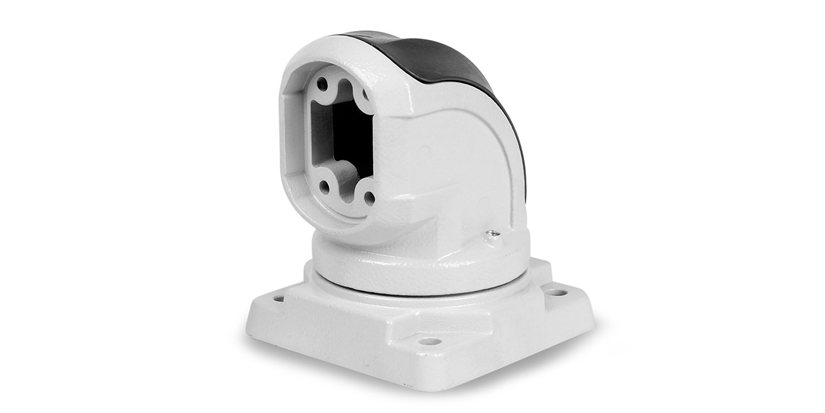
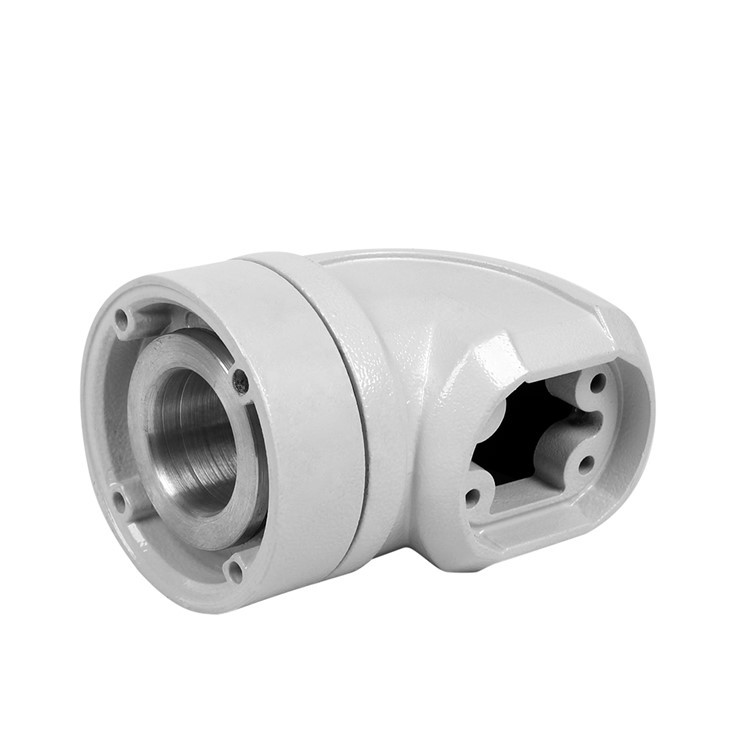
The Support Arm System 90° is an example of a product that benefits from a well - designed hinge to achieve a specific range of motion. Its hinge design allows for a 90 - degree movement, which is ideal for applications where a precise angular adjustment is needed.
Load - Bearing Capacity
The load - bearing capacity of an intermediate hinge is determined by its cross - sectional area, the material properties, and the design of the load - transfer mechanism. Hinges with larger cross - sectional areas can generally support heavier loads. For example, in industrial machinery, where heavy doors or panels need to be opened and closed, hinges with thick and wide leaves are used to ensure that they can withstand the weight and the forces exerted during operation.
The design of the load - transfer mechanism is also crucial. A well - designed hinge will distribute the load evenly across its components, reducing the stress concentration at any single point. This can prevent premature failure and increase the overall lifespan of the hinge.
Stability
Stability is another important performance factor affected by the geometric design. Hinges with a wider base or multiple points of attachment are generally more stable. For example, in a cabinet door hinge, a hinge with three or more mounting points will provide better stability compared to a hinge with only two mounting points. This is because the additional mounting points distribute the forces more evenly, preventing the door from sagging or wobbling over time.
Surface Finish and Lubrication
The surface finish of an intermediate hinge can also impact its performance. A smooth surface finish reduces friction between the moving parts of the hinge, which can improve its operation and reduce wear and tear. For example, a polished surface finish on a hinge can make it easier to open and close a door or a panel, and it can also prevent the accumulation of dirt and debris.
Lubrication is another factor that can enhance the performance of an intermediate hinge. Proper lubrication reduces friction, noise, and wear. There are different types of lubricants available, such as grease and oil. Grease is often preferred for applications where long - term lubrication is required, as it tends to stay in place better than oil. Oil, on the other hand, is more suitable for applications where high - speed movement is involved, as it provides better fluidity.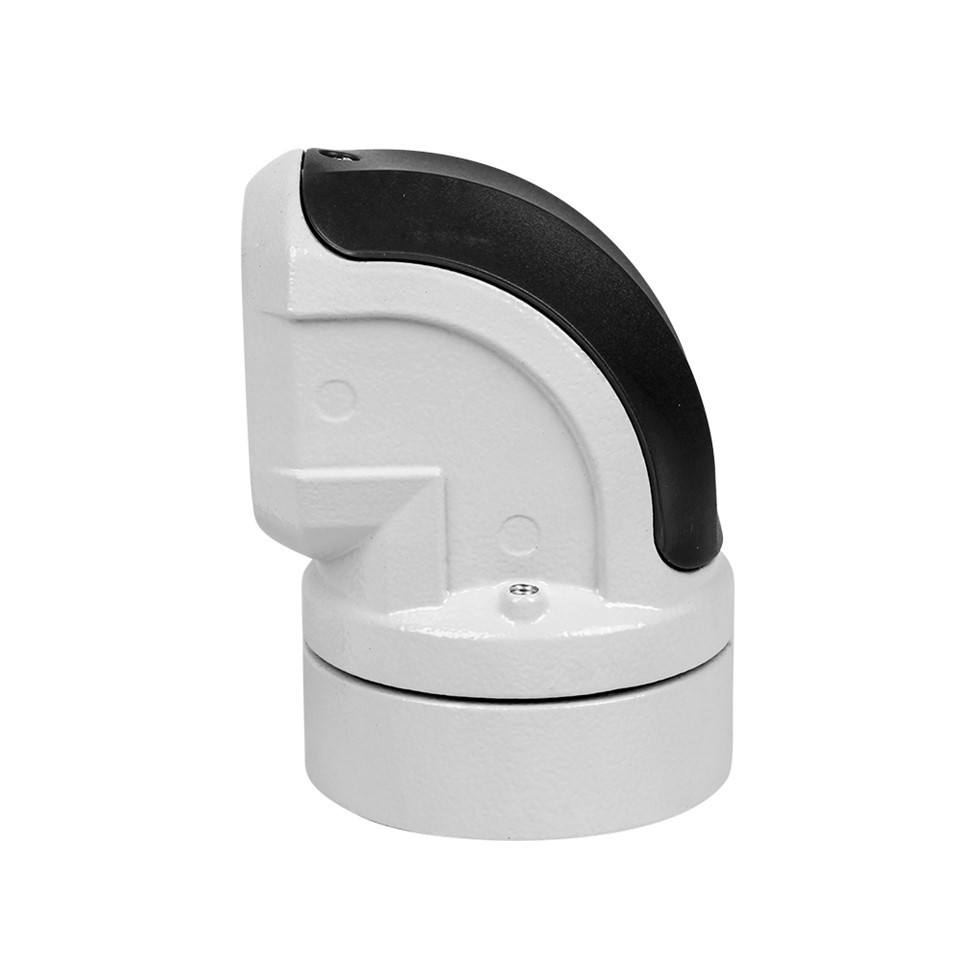
However, the choice of lubricant also depends on the operating environment. In high - temperature environments, a high - temperature - resistant lubricant is required. In cleanroom environments, a lubricant that does not produce particles or outgassing is necessary.
Compatibility with Other Components
An intermediate hinge's performance is also affected by its compatibility with other components in the system. For example, when using an intermediate hinge in a Support Arm Adaptor, the hinge must be able to interface properly with the adaptor. This includes having the correct mounting holes, dimensions, and load - bearing capacity to match the requirements of the adaptor.
Similarly, when using an intermediate hinge in a Panel 90° Angle Coupling, the hinge must be designed to work in harmony with the coupling mechanism. The hinge's range of motion, stability, and load - bearing capacity should be compatible with the overall design of the coupling to ensure smooth and reliable operation.
Impact on Overall System Performance
The performance of an intermediate hinge can have a cascading effect on the overall performance of the system in which it is used. A poorly designed hinge can lead to increased maintenance costs, reduced productivity, and even safety hazards.
For example, in a manufacturing plant, if a hinge on a conveyor belt access door fails, it can disrupt the production process. Workers may need to stop the conveyor belt to repair or replace the hinge, which can result in downtime and lost production. In addition, a faulty hinge can also pose a safety risk, as a loose or broken door may suddenly open and cause injury to workers.
On the other hand, a well - designed intermediate hinge can enhance the overall performance of the system. It can improve the reliability, efficiency, and safety of the system. For example, in an aircraft, a high - performance hinge on an access panel can ensure that the panel remains securely closed during flight, which is crucial for the safety of the aircraft and its passengers.
Conclusion
In conclusion, the design of an intermediate hinge has a far - reaching impact on its performance. Material selection, geometric design features, surface finish, lubrication, and compatibility with other components all play important roles in determining how well a hinge will perform in a given application.
As a supplier of intermediate hinges, we understand the importance of these design factors. We are committed to providing high - quality hinges that are designed to meet the specific needs of our customers. Whether you are in the industrial, automotive, furniture, or any other industry, we can offer you the right intermediate hinge solution.
If you are interested in learning more about our intermediate hinges or are looking to purchase them for your project, we invite you to contact us for a detailed discussion. Our team of experts is ready to assist you in selecting the most suitable hinge design for your application. We look forward to the opportunity to work with you and contribute to the success of your projects.
References
"Mechanical Design Handbook" by Robert C. Juvinall and Kurt M. Marshek
"Materials Science and Engineering: An Introduction" by William D. Callister Jr. and David G. Rethwisch
Industry standards and guidelines related to hinge design and performance