Welcome to DEXUAN
How to adjust the tension of panel coupling?
Panel coupling is a crucial component in various industrial and support arm systems, ensuring a stable and reliable connection between different parts. Adjusting the tension of panel coupling properly is essential for its optimal performance. As a panel coupling supplier, I'd like to share some in - depth knowledge and practical tips on how to adjust the tension of panel coupling.
Understanding Panel Coupling Tension
Before diving into the adjustment process, it's important to understand what panel coupling tension means. Tension in a panel coupling refers to the force that holds the coupling in place and maintains the connection between the panels or components it is joining. Appropriate tension ensures that the coupling can effectively transmit torque and support the load without slipping or causing excessive wear.
If the tension is too low, the coupling may not hold the panels firmly, leading to instability, misalignment, and potential disconnection. On the other hand, if the tension is too high, it can cause excessive stress on the coupling and the connected components, leading to premature wear, deformation, and even damage.
Tools Required for Tension Adjustment
To adjust the tension of panel coupling, you'll need a few basic tools. These typically include a set of wrenches, which may be socket wrenches, open - end wrenches, or adjustable wrenches depending on the type of fasteners used in the coupling. A torque wrench is also highly recommended, as it allows you to apply the exact amount of force required for proper tension adjustment. Additionally, a feeler gauge can be useful for measuring clearances and ensuring proper alignment during the adjustment process.
Steps to Adjust the Tension of Panel Coupling
Step 1: Preparation
First, ensure that the equipment or system where the panel coupling is installed is shut down and powered off. This is a crucial safety measure to prevent any accidental movement or injury during the adjustment process. Next, visually inspect the panel coupling for any signs of damage, such as cracks, wear, or misalignment. If any damage is detected, it may be necessary to replace the coupling before proceeding with the tension adjustment.
Step 2: Loosen the Fasteners
Locate the fasteners that hold the panel coupling together. These are usually bolts or screws. Use the appropriate wrench to loosen these fasteners gradually. It's important to loosen them evenly to avoid creating uneven stress on the coupling. For example, if there are four bolts, loosen each one a little at a time in a cross - pattern to maintain balance.
Step 3: Adjust the Tension
Once the fasteners are loose, you can start adjusting the tension. If the coupling has an adjustable mechanism, such as a spring - loaded device or a threaded adjustment, use the appropriate tool to make the necessary adjustments. For example, if it's a spring - loaded coupling, you can increase the tension by compressing the spring further or decrease it by releasing some of the spring's compression.
If there is no specific adjustable mechanism, you can adjust the tension by tightening or loosening the fasteners to the desired level. This is where a torque wrench comes in handy. Refer to the manufacturer's specifications for the recommended torque value for the fasteners. Apply the torque evenly to each fastener in a cross - pattern to ensure uniform tension across the coupling.
Step 4: Check the Alignment
After adjusting the tension, use a feeler gauge to check the alignment between the panels or components connected by the coupling. There should be a consistent clearance around the coupling. If the alignment is off, you may need to make further adjustments to the fasteners or the position of the panels until the proper alignment is achieved.
Step 5: Re - tighten the Fasteners
Once the tension and alignment are satisfactory, re - tighten the fasteners to the final torque value specified by the manufacturer. Again, use the torque wrench and apply the torque evenly in a cross - pattern. Make sure not to over - tighten the fasteners, as this can cause damage to the coupling or the connected components.
Step 6: Test the Coupling
After completing the adjustment and re - tightening the fasteners, power on the equipment or system and test the coupling. Observe the operation of the system to ensure that the coupling is functioning properly. There should be no signs of excessive vibration, noise, or slipping. If any issues are detected, repeat the adjustment process until the problem is resolved.
Different Types of Panel Couplings and Their Tension Adjustment
There are various types of panel couplings available in the market, each with its own unique features and tension adjustment methods.
Rotatable Panel Coupling
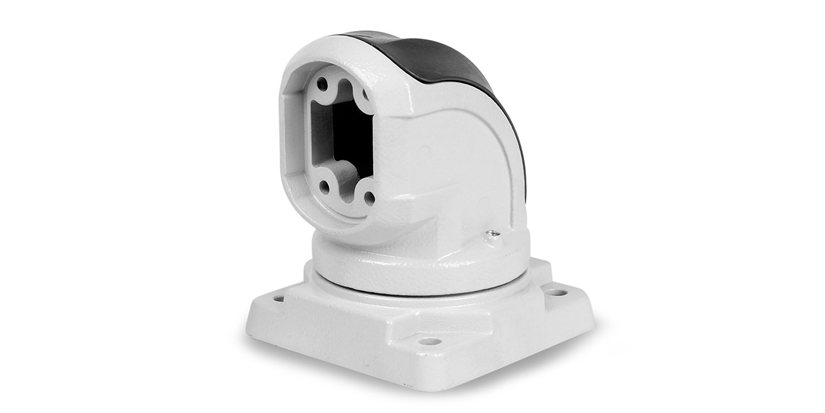
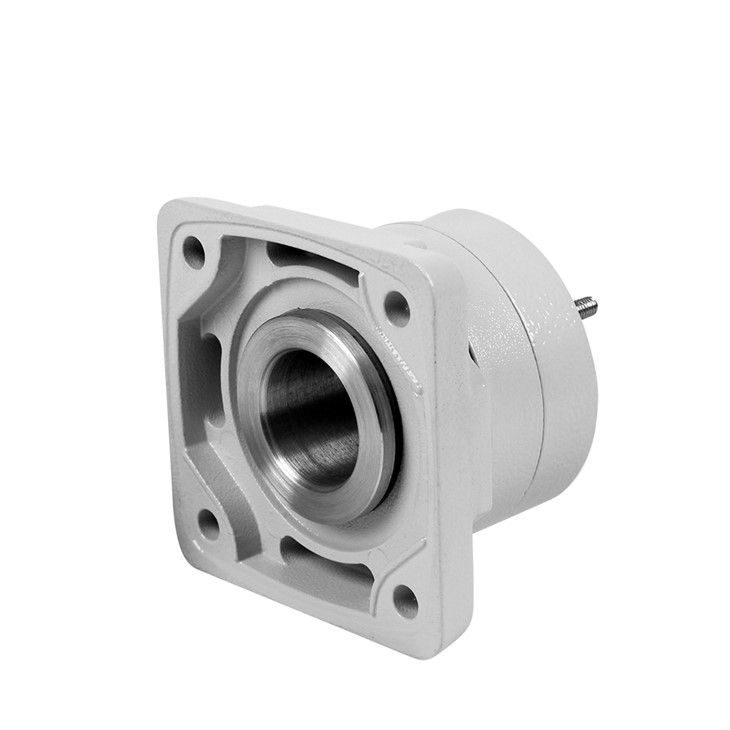
A Rotatable Panel Coupling offers the advantage of allowing rotation between the connected panels. To adjust the tension of a rotatable panel coupling, first, loosen the locking mechanism that holds the rotation in place. Then, follow the general steps mentioned above to adjust the tension of the coupling itself. After adjusting the tension, re - engage the locking mechanism to secure the rotation at the desired position.
Top Mounted Vertical Outlet
The Top Mounted Vertical Outlet is often used in support arm systems. When adjusting the tension of a panel coupling associated with a top - mounted vertical outlet, pay special attention to the vertical alignment. Ensure that the outlet is properly positioned vertically and that the coupling provides sufficient support. Adjust the tension of the coupling to maintain the stability of the outlet while allowing for any necessary movement or adjustment.
Support Arm Base
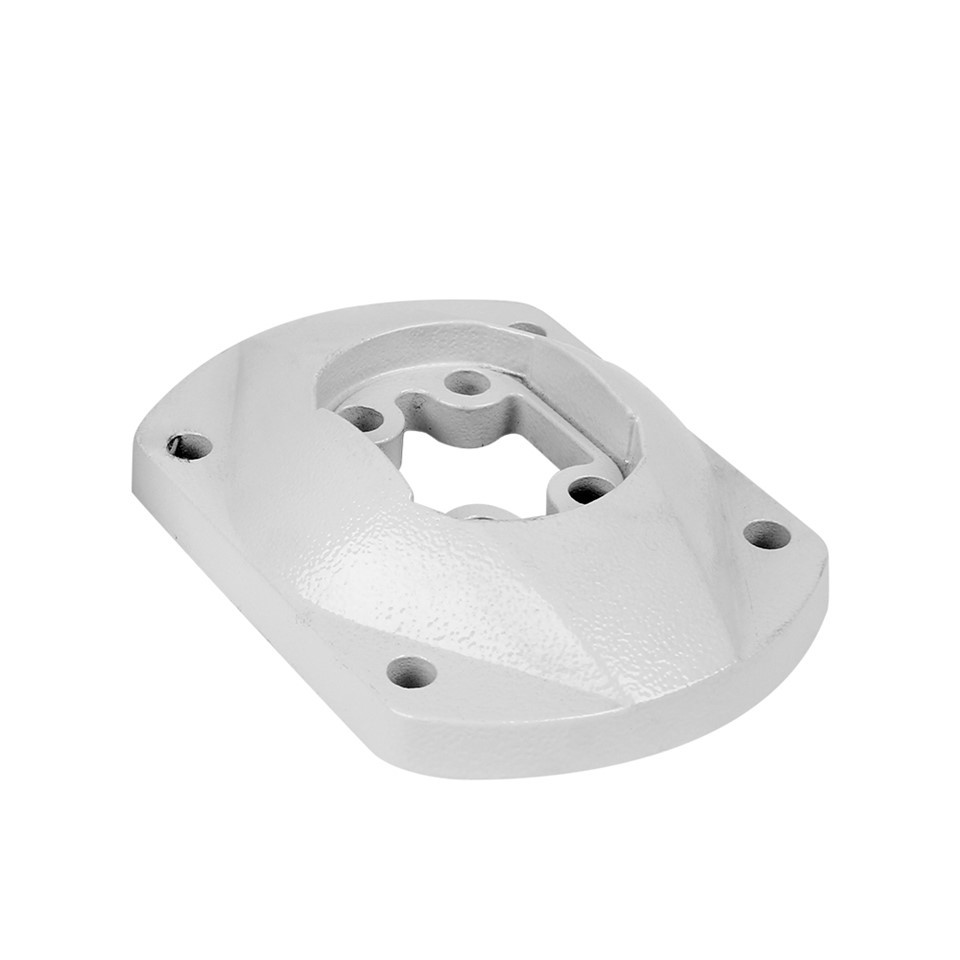
The Support Arm Base is another important part of a support arm system. The panel coupling used in the support arm base needs to be adjusted to provide the right amount of tension for proper support. When adjusting the tension, consider the weight and load that the support arm will bear. A higher tension may be required for heavier loads to ensure stability.
Common Mistakes to Avoid
When adjusting the tension of panel coupling, there are several common mistakes that should be avoided. One of the most common mistakes is over - tightening the fasteners. This can lead to damage to the coupling, the fasteners, or the connected components. Always follow the manufacturer's recommended torque values.
Another mistake is not adjusting the tension evenly. Uneven tension can cause misalignment, vibration, and premature wear. Make sure to apply the torque evenly to all fasteners in a cross - pattern.
Finally, failing to check the alignment after adjusting the tension can also lead to problems. Proper alignment is crucial for the smooth operation of the coupling and the system as a whole.
Importance of Proper Tension Adjustment
Proper tension adjustment of panel coupling is of utmost importance. It ensures the safety and reliability of the equipment or system. A well - adjusted coupling can effectively transmit torque, support the load, and reduce the risk of failure. It also helps to extend the lifespan of the coupling and the connected components by minimizing wear and tear.
In addition, proper tension adjustment can improve the overall performance of the system. It can reduce vibration and noise, which can enhance the user experience and prevent damage to other parts of the system due to excessive vibration.
Conclusion
Adjusting the tension of panel coupling is a critical task that requires careful attention to detail and the use of the right tools. By following the steps outlined in this blog, you can ensure that your panel coupling is adjusted correctly for optimal performance.
As a panel coupling supplier, we are committed to providing high - quality products and comprehensive technical support. If you have any questions about panel coupling tension adjustment or need assistance in selecting the right panel coupling for your application, please feel free to contact us for procurement and further discussion. We look forward to working with you to meet your panel coupling needs.
References
Manufacturer's manuals for panel couplings
Industry standards for mechanical couplings
Technical literature on support arm systems