Welcome to DEXUAN
How to ensure the long - term stability of a Leveling Caster?
As a seasoned supplier of leveling casters, I understand the critical importance of ensuring the long - term stability of these essential components. Leveling casters are widely used in various industries, from manufacturing and logistics to healthcare and hospitality. Their stability directly impacts the safety, efficiency, and longevity of the equipment they support. In this blog, I will share some key strategies and best practices to guarantee the long - term stability of leveling casters.
1. High - Quality Materials Selection
The foundation of a stable leveling caster lies in the quality of its materials. When choosing materials for leveling casters, several factors need to be considered. For the wheel, materials such as polyurethane, rubber, or cast iron are commonly used. Polyurethane wheels offer excellent wear resistance, high load - bearing capacity, and low noise operation. They are suitable for a wide range of floor surfaces, including smooth and rough floors. Rubber wheels, on the other hand, provide good shock absorption and traction, making them ideal for applications where vibration reduction is crucial. Cast iron wheels are extremely durable and can withstand heavy loads, but they may be noisier and less suitable for delicate floor surfaces.
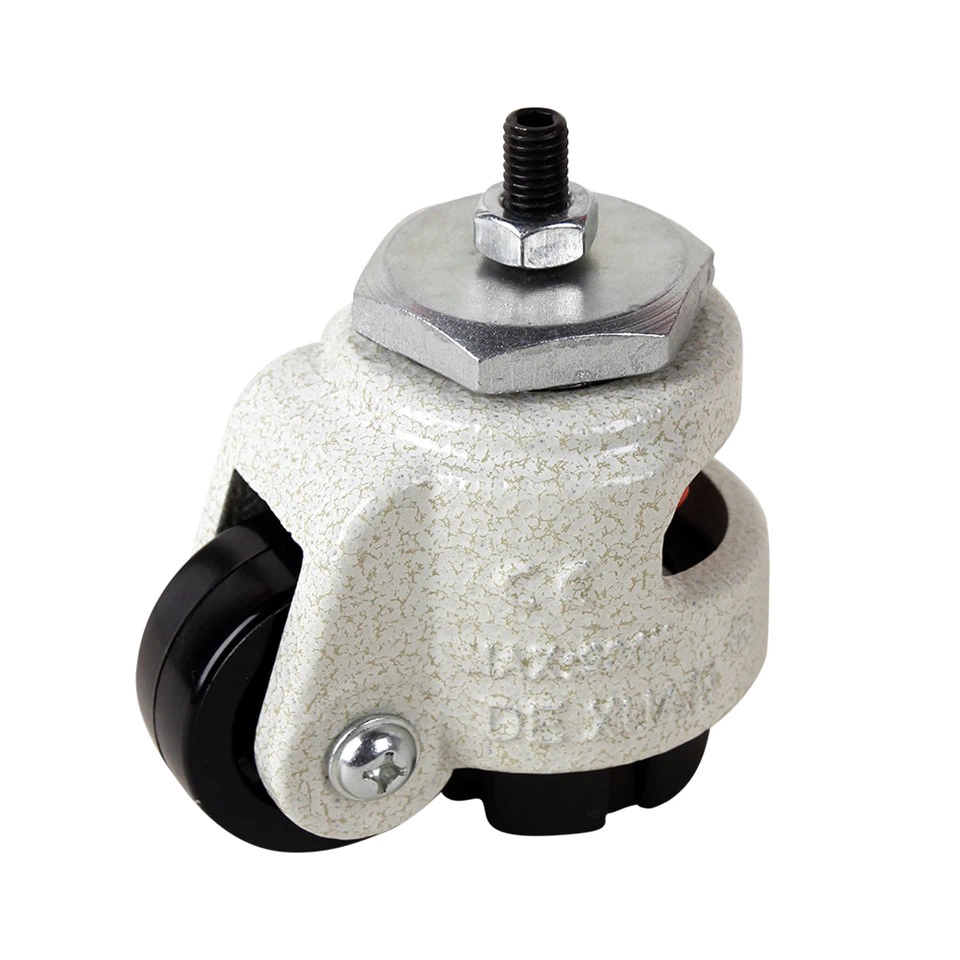
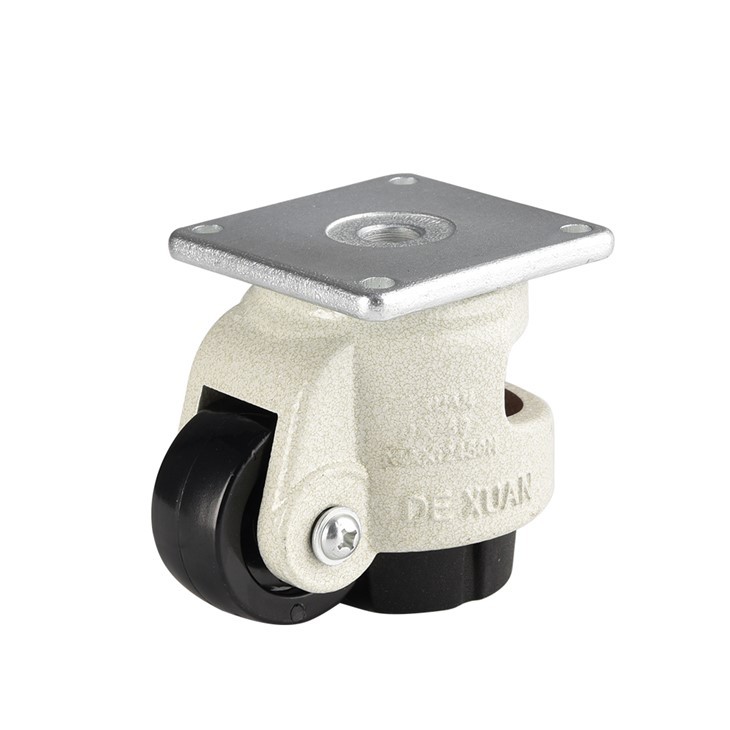
The frame of the leveling caster should also be made of high - strength materials. Steel is a popular choice due to its excellent strength - to - weight ratio. Hot - rolled steel or stainless steel can be used depending on the specific application requirements. Stainless steel is particularly suitable for environments where corrosion resistance is essential, such as in food processing or marine industries.
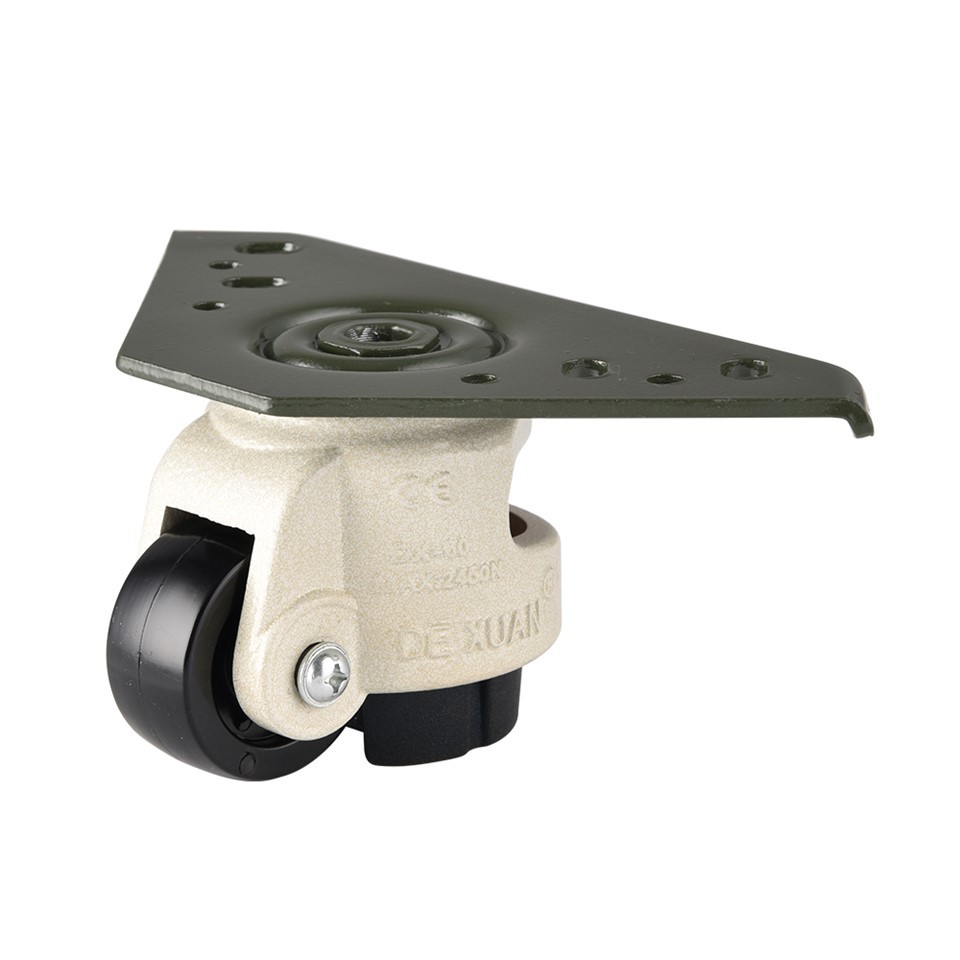
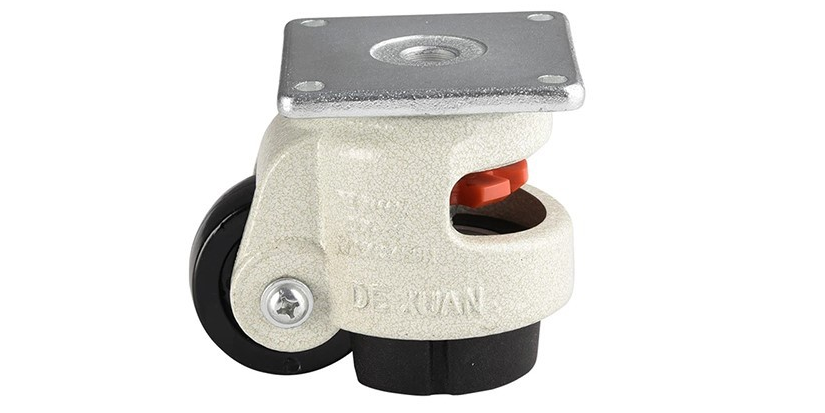
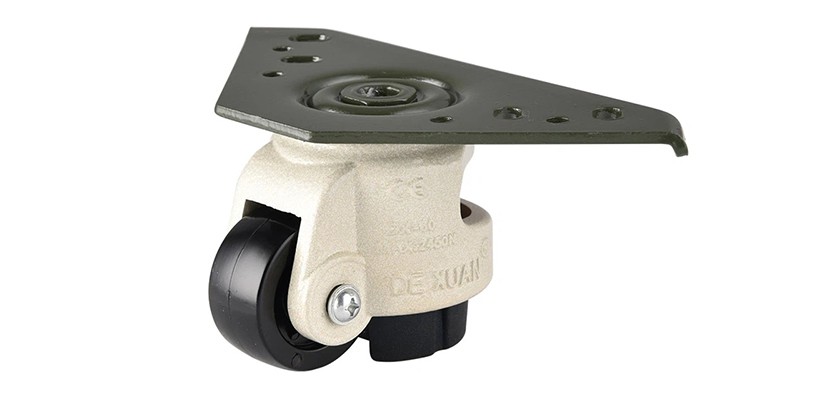
For example, our Leveling Plate Caster is constructed with high - grade steel frames and polyurethane wheels, ensuring both durability and stability in various industrial settings.
2. Precise Manufacturing Processes
Precision in manufacturing is vital for the long - term stability of leveling casters. Every step of the manufacturing process, from casting and machining to assembly, must be carefully controlled.
In the casting process, proper mold design and pouring techniques are essential to ensure uniform density and strength of the caster components. Any defects in the casting, such as porosity or cracks, can significantly weaken the caster and lead to premature failure.
Machining operations, such as turning, milling, and drilling, must be carried out with high precision. The dimensions of the caster components, including the wheel diameter, axle size, and frame thickness, should be within the specified tolerances. Even a small deviation in these dimensions can affect the caster's performance and stability.
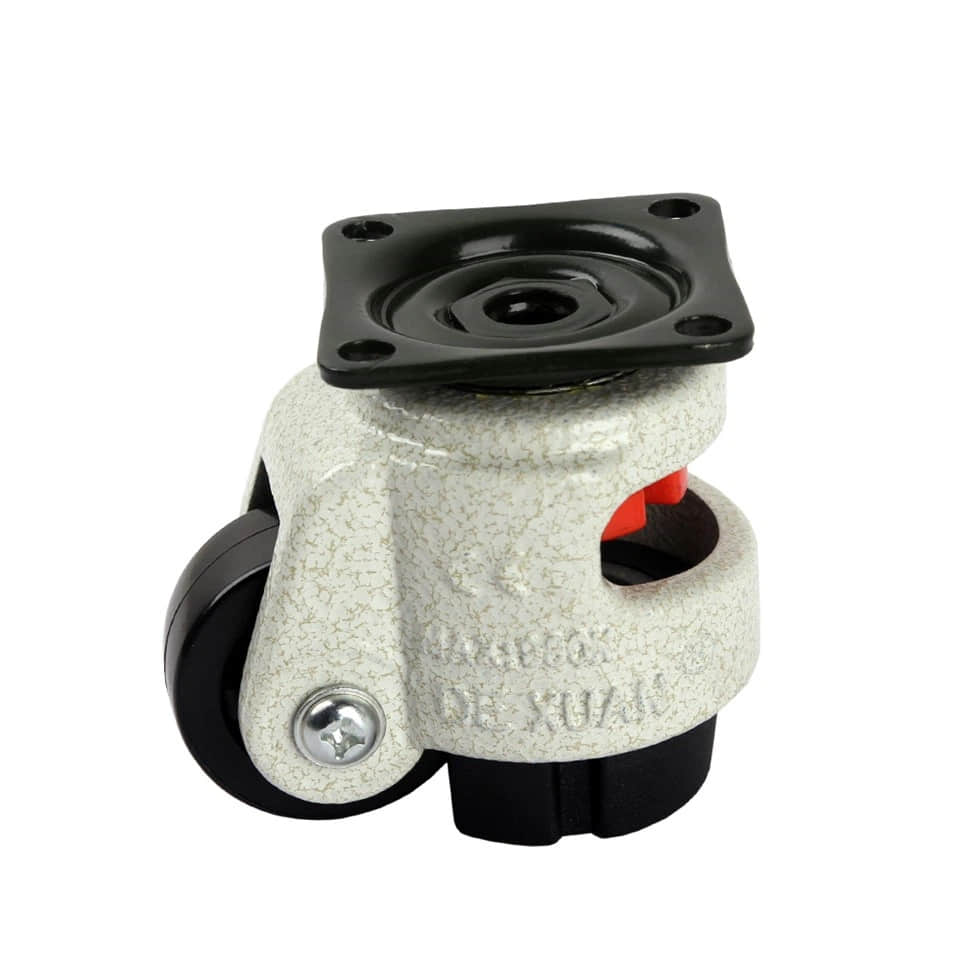
During the assembly process, all components should be properly aligned and tightened. Loose connections can cause the caster to wobble or malfunction, reducing its stability. We use advanced assembly lines and quality control systems to ensure that each Heavy Duty Leveling Caster meets our strict quality standards.
3. Appropriate Load Capacity Calculation
One of the most common causes of caster instability is overloading. It is crucial to accurately calculate the load capacity required for the leveling caster based on the application.
The load capacity of a leveling caster depends on several factors, including the wheel material, wheel size, and the design of the caster frame. When calculating the load capacity, the static load (the weight of the equipment at rest) and the dynamic load (the additional forces exerted during movement, such as acceleration and deceleration) should be considered.
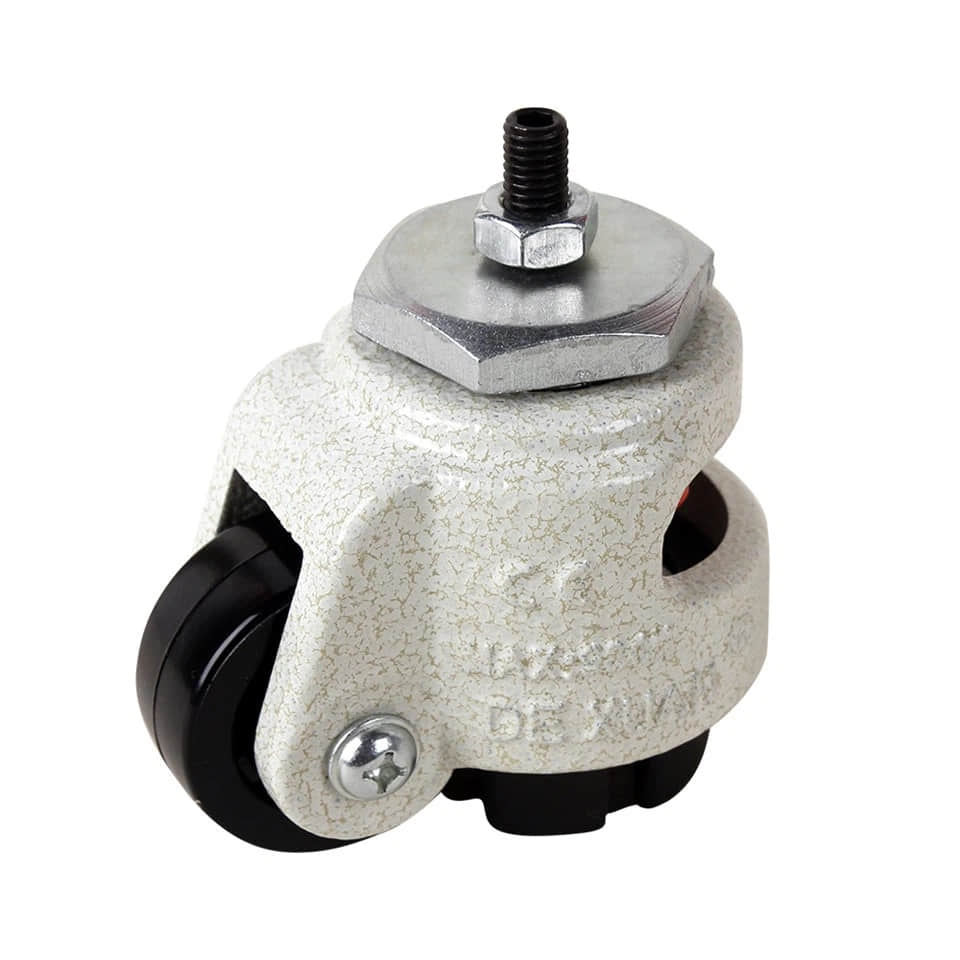
As a general rule, it is recommended to choose a leveling caster with a load capacity that is at least 20% higher than the expected maximum load. This provides a safety margin to account for any unexpected loads or variations in operating conditions. Our Leveling Stem Caster is available in a range of load capacities to meet different application needs.
4. Regular Maintenance and Inspection
Regular maintenance and inspection are essential to ensure the long - term stability of leveling casters. A well - maintained caster will not only perform better but also have a longer service life.
Maintenance tasks include cleaning the caster regularly to remove dirt, debris, and other contaminants. These substances can accumulate in the wheel bearings and other moving parts, causing increased friction and wear. Lubrication of the bearings is also crucial to reduce friction and prevent rust.
Inspection should be carried out at regular intervals to check for signs of wear, damage, or misalignment. Look for worn - out wheels, cracked frames, or loose connections. If any issues are detected, they should be addressed immediately to prevent further damage.
For example, a monthly inspection schedule can be established for leveling casters in a high - usage industrial environment. During the inspection, measure the wheel diameter to check for wear, and examine the frame for any signs of deformation.
5. Environmental Considerations
The environment in which the leveling caster operates can have a significant impact on its stability. Different environments pose different challenges, and appropriate measures should be taken to address them.
In wet or humid environments, corrosion is a major concern. As mentioned earlier, using stainless steel components or applying anti - corrosion coatings can help prevent rust and deterioration. In dusty or dirty environments, additional protection, such as dust covers, can be installed to prevent contaminants from entering the caster's moving parts.
In high - temperature environments, the choice of materials becomes even more critical. Some materials may lose their strength or become deformed at high temperatures. Special heat - resistant materials or cooling systems may be required to ensure the caster's stability.
6. Training and Education
Proper training and education for end - users are often overlooked but are crucial for the long - term stability of leveling casters. Users should be informed about the correct installation, operation, and maintenance procedures of the casters.
During the installation process, users should follow the manufacturer's instructions carefully. Incorrect installation, such as improper tightening of bolts or misalignment of the caster, can lead to instability.
In terms of operation, users should be aware of the load capacity limits of the casters and avoid overloading. They should also operate the equipment in a smooth and controlled manner to minimize the dynamic loads on the casters.
We provide comprehensive training materials and support to our customers to ensure that they can make the most of our leveling casters and maintain their stability over time.
Conclusion
Ensuring the long - term stability of leveling casters requires a comprehensive approach that includes high - quality materials selection, precise manufacturing processes, appropriate load capacity calculation, regular maintenance and inspection, environmental considerations, and user training. As a supplier of leveling casters, we are committed to providing our customers with products that meet the highest standards of quality and stability.
If you are interested in our leveling caster products or have any questions about ensuring their long - term stability, please feel free to contact us for further discussion and procurement negotiation. We look forward to working with you to meet your specific needs.
References
"Industrial Caster Handbook" - A comprehensive guide on caster design, materials, and applications.
"Materials Science for Engineers" - A textbook that provides in - depth knowledge of materials properties and their suitability for different applications.
Industry standards and guidelines related to caster manufacturing and usage, such as ISO and ASTM standards.