Welcome to DEXUAN
How to troubleshoot a malfunctioning Leveling Caster?
Hey there! As a supplier of leveling casters, I've seen my fair share of issues with these nifty little devices. Leveling casters are super useful for all sorts of equipment, helping to adjust height, level surfaces, and move stuff around smoothly. But when they start acting up, it can be a real headache. In this blog post, I'm gonna walk you through how to troubleshoot a malfunctioning leveling caster.
1. Initial Inspection
The first step in troubleshooting any problem is to take a good look at the caster. Start by checking for any obvious signs of damage, like cracks, dents, or missing parts. Sometimes, a simple visual inspection can reveal the root cause of the problem.
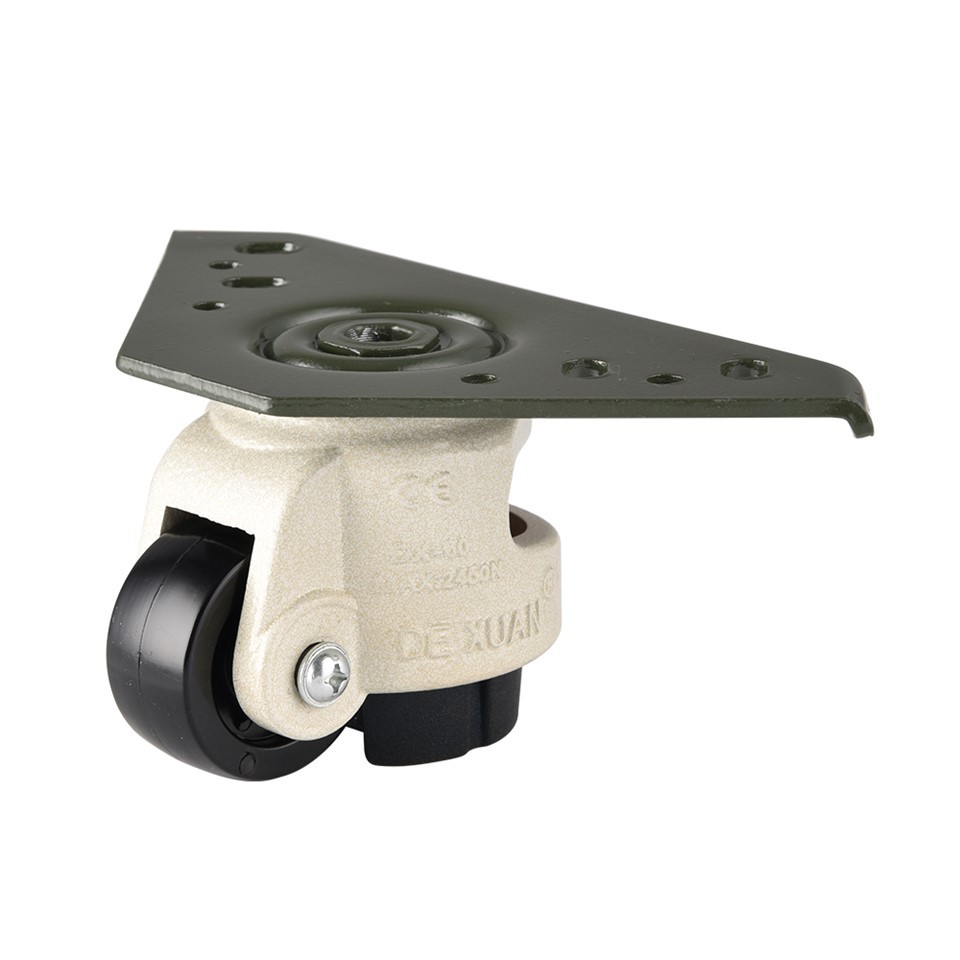
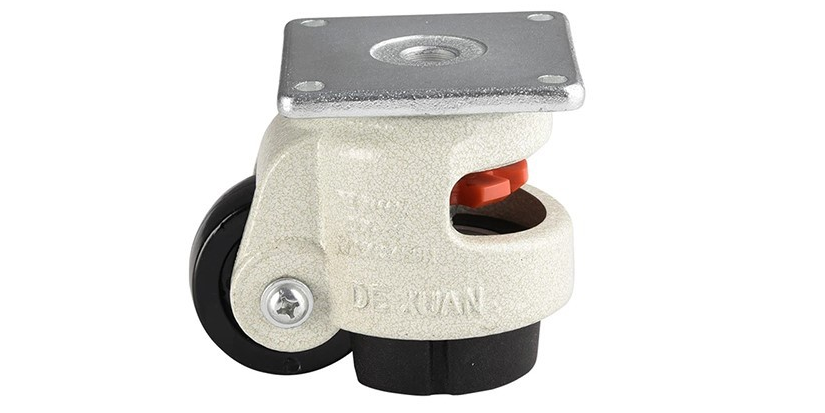
Check the Wheel: The wheel is one of the most critical parts of a leveling caster. Look for any signs of wear and tear, such as flat spots, uneven tread, or excessive cracking. If the wheel is damaged, it can cause the caster to roll unevenly or make noise. You can find high - quality wheels on our Heavy Duty Leveling Caster products, which are built to last.
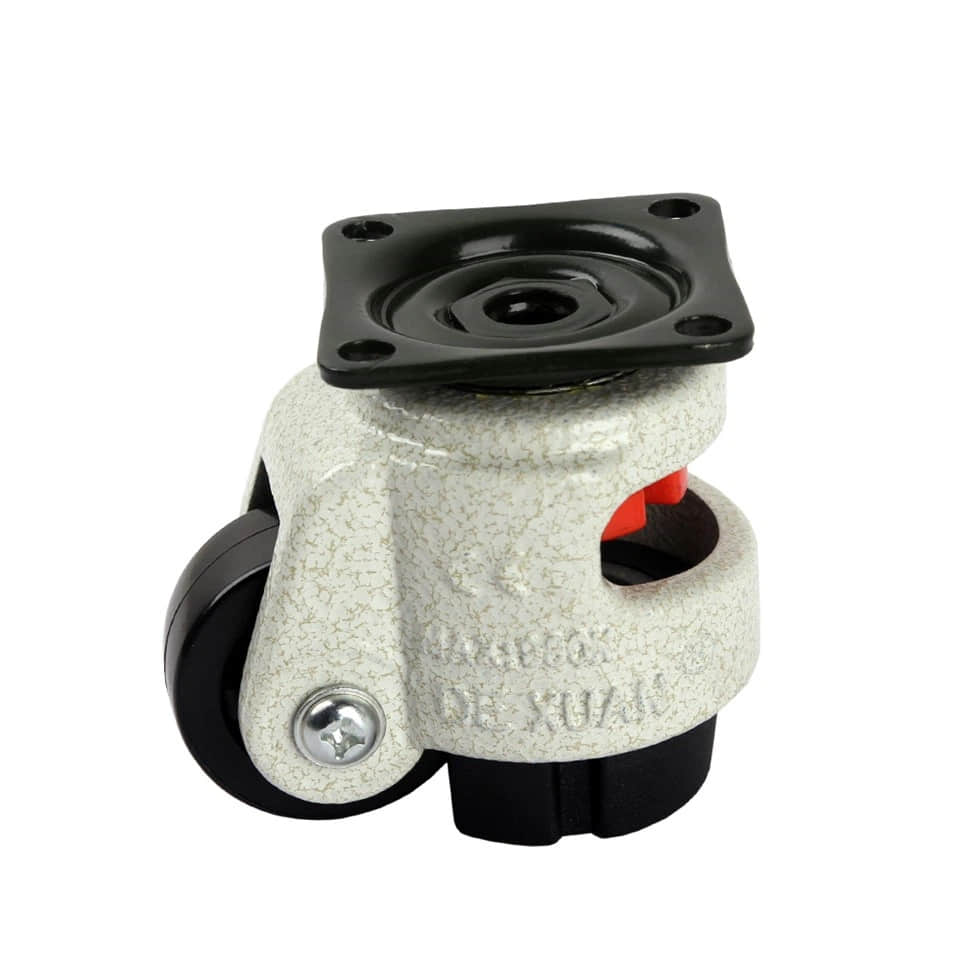
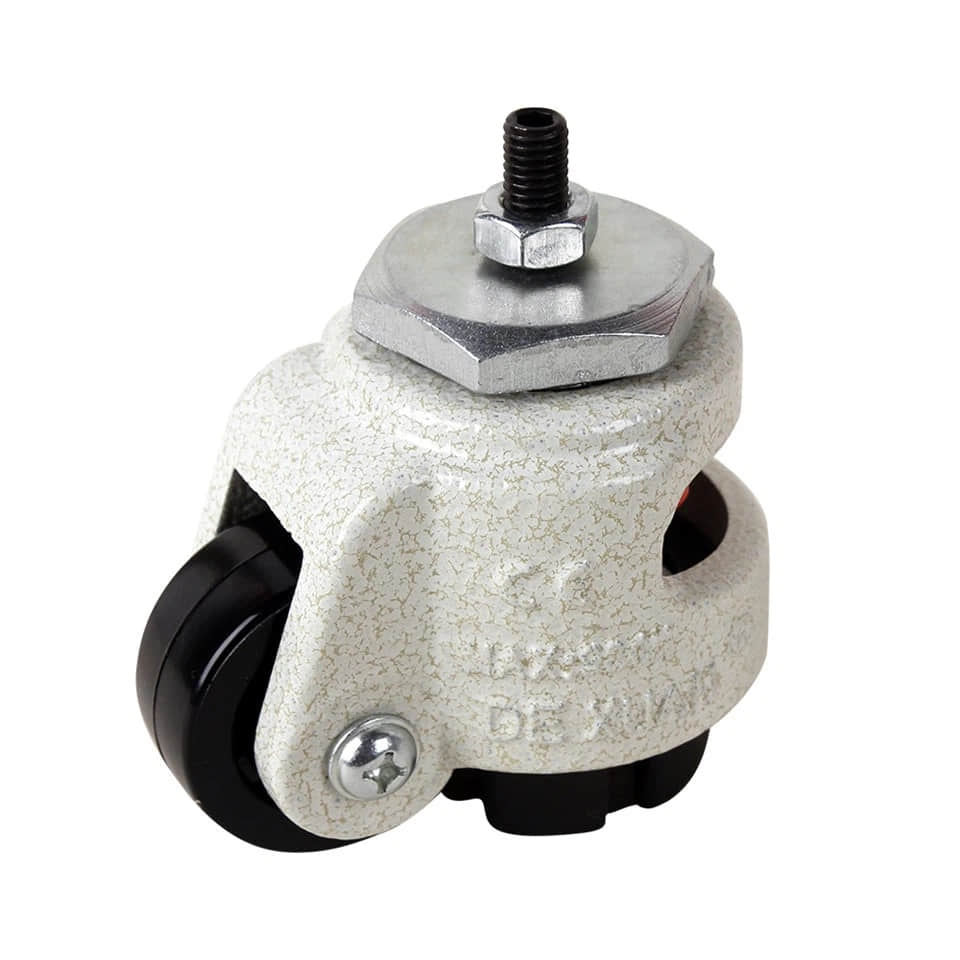
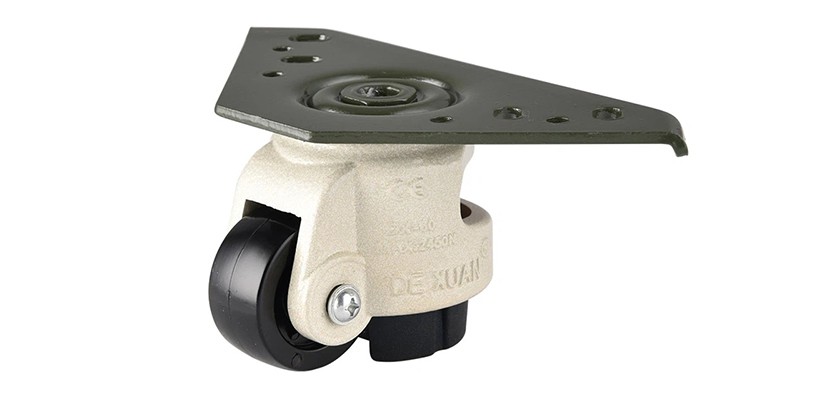
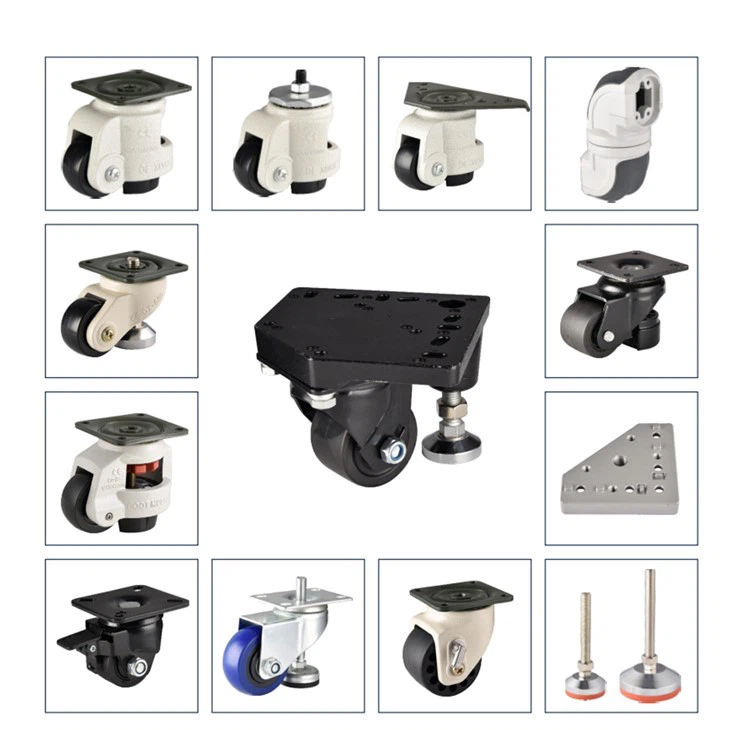
Inspect the Mounting Plate or Stem: The mounting plate or stem is what attaches the caster to the equipment. Make sure it's securely fastened and there are no signs of bending or loosening. A loose mounting can cause the caster to wobble or come off completely. Our Leveling Plate Caster and Leveling Stem Caster come with sturdy mounting options to prevent such issues.
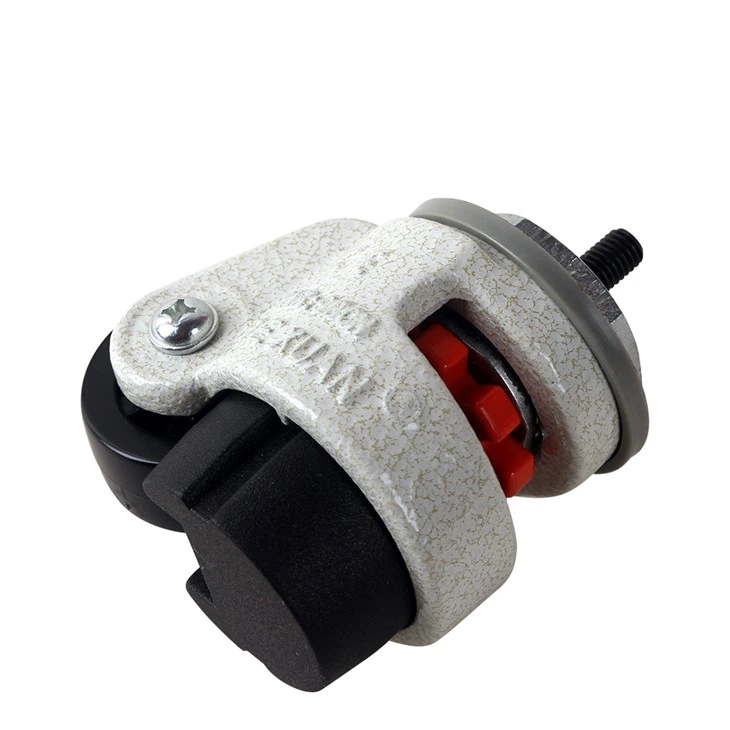
Look at the Leveling Mechanism: If your caster has a leveling feature, check to see if it's working properly. Try adjusting the height and see if it locks in place. If the leveling mechanism is jammed or doesn't hold the height, it could be a problem with the internal components.
2. Cleaning and Lubrication
Sometimes, a malfunctioning caster can be fixed with a little TLC. Dirt, dust, and debris can accumulate in the moving parts of the caster, causing it to operate poorly.
Clean the Caster: Use a mild detergent and a soft brush to clean the caster thoroughly. Pay special attention to the wheel, the bearings, and the leveling mechanism. Rinse it off with clean water and dry it completely before reassembling.
Lubricate the Moving Parts: Once the caster is clean, apply a small amount of lubricant to the bearings and any other moving parts. This will help reduce friction and make the caster roll more smoothly. Make sure to use a lubricant that is suitable for the materials used in the caster.
3. Testing the Caster
After cleaning and lubricating the caster, it's time to test it out. Mount the caster back onto the equipment and see how it performs.
Rolling Test: Push the equipment gently and see if the caster rolls smoothly in all directions. If it's difficult to move or makes a grinding noise, there may still be an issue. Check for any misalignment or binding in the wheel or the mounting.
Leveling Test: If the caster has a leveling feature, adjust the height and make sure it stays in place. Test the caster on a flat surface to ensure it can level the equipment properly.
4. Addressing Specific Issues
If the caster is still malfunctioning after the initial inspection, cleaning, and testing, it's time to dig deeper and address specific issues.
Wheel Alignment Problems: If the caster is not rolling straight, it could be due to misaligned wheels. Check to see if the wheels are parallel to each other and perpendicular to the mounting plate. You may need to adjust the wheel axles or the mounting to correct the alignment.
Bearing Issues: Worn - out or damaged bearings can cause the caster to make noise or roll poorly. If you suspect a bearing problem, remove the wheel and inspect the bearings. If they are damaged, replace them with new ones.
Leveling Mechanism Failure: If the leveling mechanism is not working, it could be due to a broken spring, a jammed screw, or a faulty locking mechanism. Disassemble the leveling mechanism carefully and inspect the components. Replace any damaged parts as needed.
5. When to Replace the Caster
Sometimes, despite your best efforts, a caster may be beyond repair. Here are some signs that it's time to replace the caster:
Severe Damage: If the caster has cracks, breaks, or other severe damage that cannot be fixed, it's time for a new one.
Excessive Wear: If the wheel is worn down to the point where it can no longer provide proper traction or support, it's a good idea to replace the caster.
Persistent Malfunction: If you've tried all the troubleshooting steps and the caster still doesn't work properly, it may be more cost - effective to replace it.
Conclusion
Troubleshooting a malfunctioning leveling caster doesn't have to be a difficult task. By following these steps, you can identify and fix most common problems. As a leveling caster supplier, we're here to help you with any issues you may encounter. If you're in the market for new leveling casters or need replacement parts, we've got a wide range of high - quality products to choose from.
Whether you need a Heavy Duty Leveling Caster for industrial applications, a Leveling Plate Caster for furniture, or a Leveling Stem Caster for equipment, we've got you covered. If you have any questions or need further assistance, don't hesitate to reach out. We're always happy to help you find the right solution for your needs.
References
General knowledge of leveling caster design and maintenance.
Industry best practices for caster troubleshooting.