Welcome to DEXUAN
Is the Foot Master Caster resistant to chemicals?
Hey there! As a supplier of Foot Master Casters, I often get asked a bunch of questions about these awesome products. One question that pops up quite a bit is, "Is the Foot Master Caster resistant to chemicals?" Well, let's dive right into it and find out.
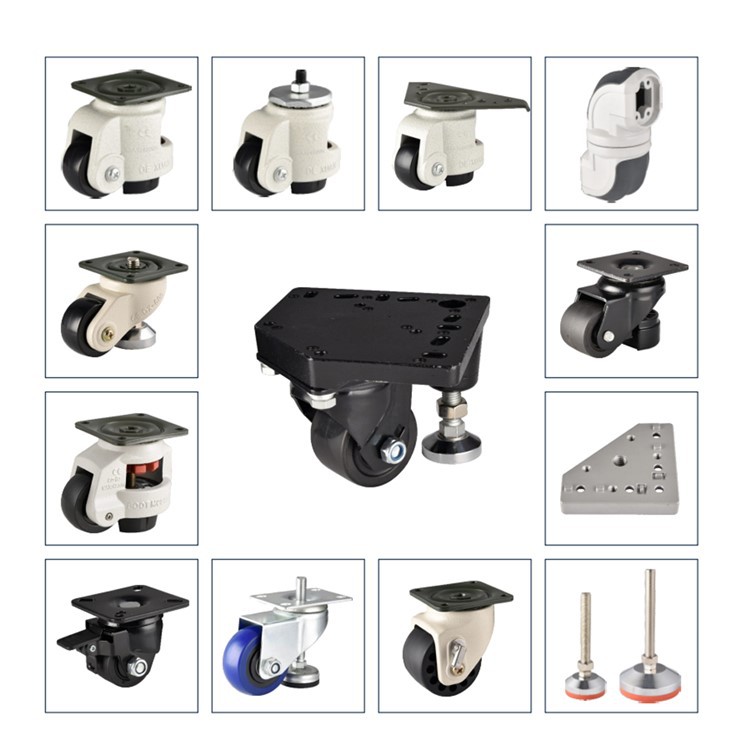
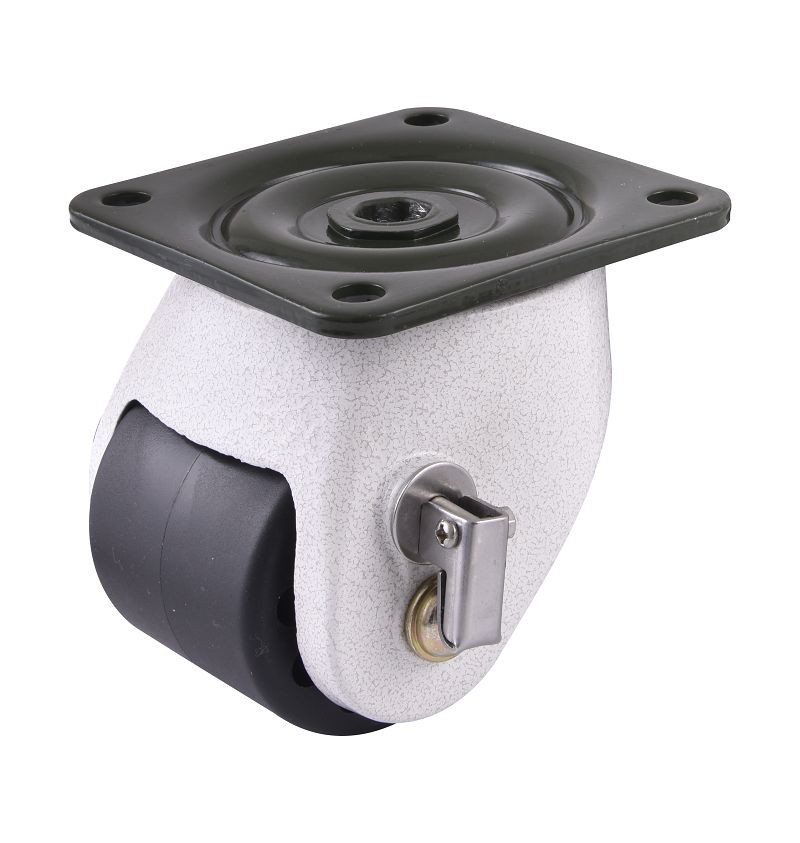
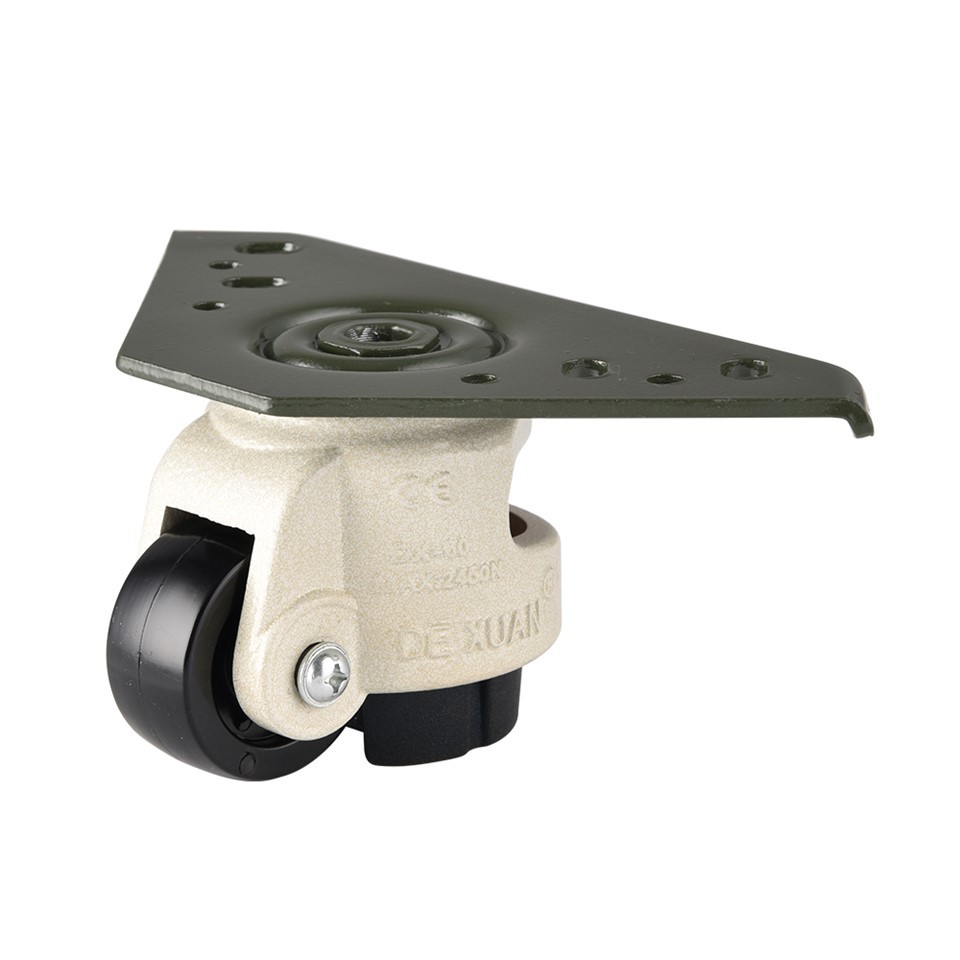
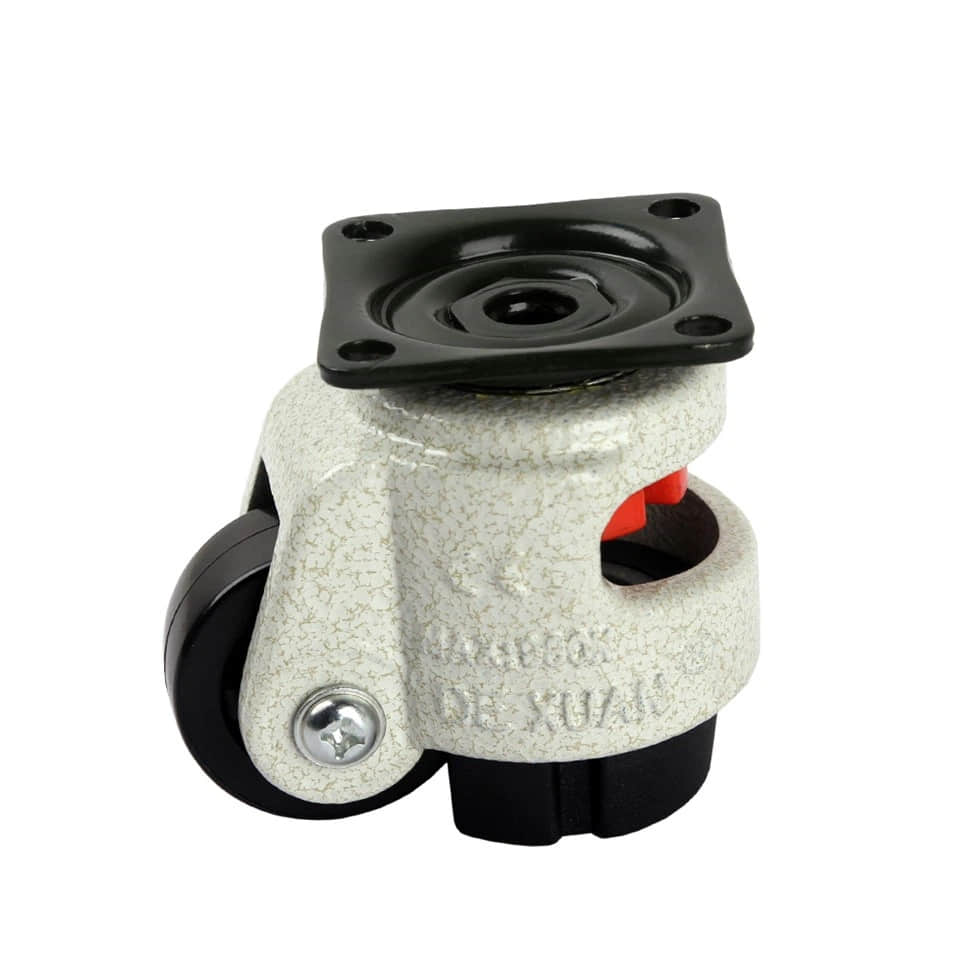
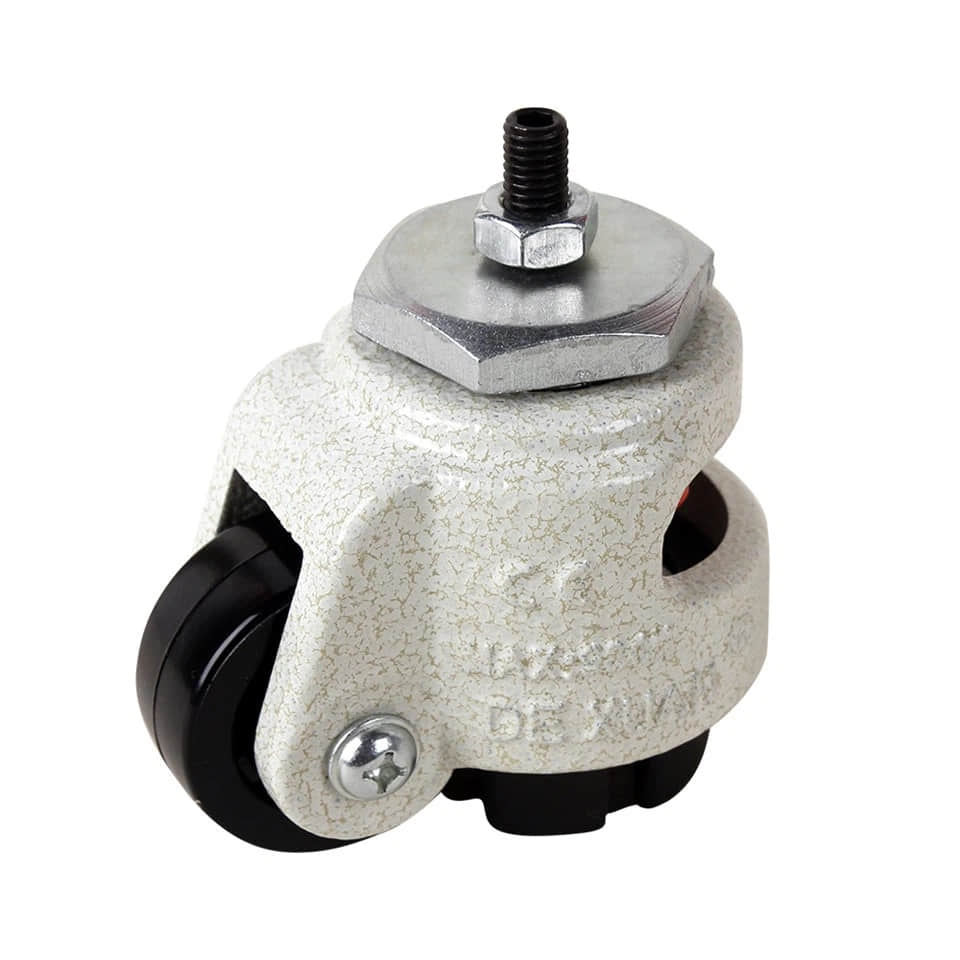
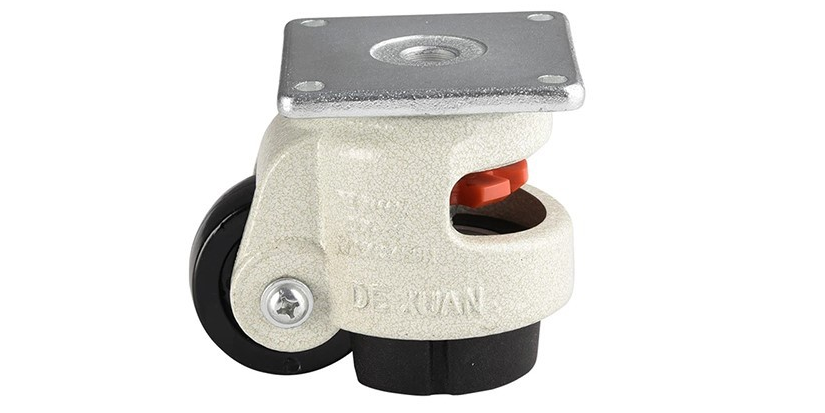
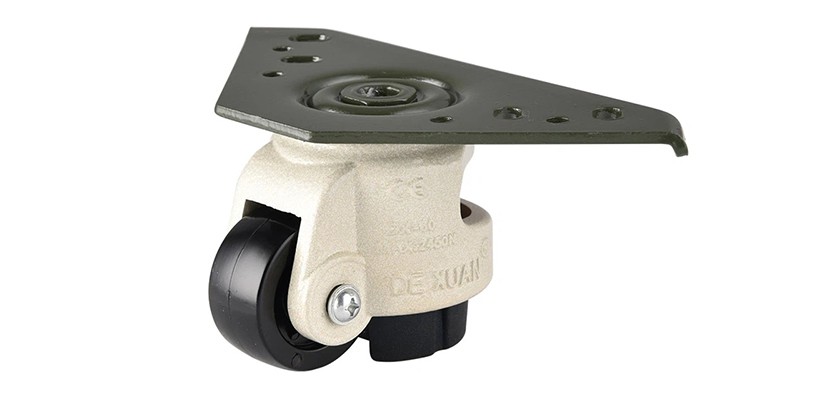
First off, let me give you a bit of background on Foot Master Casters. These casters are known for their high - quality construction and versatility. They're used in a wide range of applications, from industrial settings to commercial spaces. Whether you're moving heavy equipment in a factory or rearranging furniture in an office, Foot Master Casters are up for the task.
Now, when it comes to chemical resistance, it's not a one - size - fits - all answer. The chemical resistance of Foot Master Casters depends on a few factors, like the materials they're made of and the type of chemicals they're exposed to.
Materials Matter
Foot Master Casters come in different materials, each with its own level of chemical resistance.
Polyurethane Wheels
Many Foot Master Casters feature polyurethane wheels. Polyurethane is a great material because it offers a good balance of durability, load - bearing capacity, and chemical resistance. It can withstand exposure to a variety of common chemicals, such as mild acids, alkalis, and some solvents.
For example, in a food processing plant where there might be occasional spills of cleaning agents or mild acids, polyurethane - wheeled Foot Master Casters can hold up well. They won't break down easily when in contact with these substances, which means they'll keep rolling smoothly for a long time.
However, it's important to note that polyurethane has its limits. Strong, concentrated acids or highly corrosive chemicals can still damage it. If you're working in an environment with these types of chemicals, you might need to consider other options.
Rubber Wheels
Rubber is another material used in Foot Master Casters, especially in Foot Master Adjustable Casters. Rubber has decent chemical resistance, particularly against water - based chemicals and some oils.
In a car repair shop, where there are often spills of motor oil or coolant, rubber - wheeled casters can handle the situation pretty well. The rubber won't dissolve or degrade quickly when exposed to these substances. But again, like polyurethane, rubber isn't invincible. Some harsh chemicals, such as certain solvents or strong oxidizing agents, can cause the rubber to swell, crack, or lose its strength over time.
Metal Components
Apart from the wheels, Foot Master Casters also have metal components, like the frames and axles. The most common metals used are steel and aluminum.
Steel is generally quite resistant to many chemicals, especially when it's coated or galvanized. A galvanized steel frame can resist rust and corrosion from moisture and some mild chemicals. But in highly acidic or alkaline environments, the coating might wear off, and the steel could start to corrode.
Aluminum, on the other hand, forms a thin oxide layer on its surface that provides some protection against corrosion. It's resistant to many chemicals, but it can react with strong alkalis. So, if you're using Foot Master Casters in an area with a lot of alkaline substances, you need to be careful.
Types of Chemicals
Different chemicals have different effects on Foot Master Casters. Let's take a look at some common types of chemicals and how they interact with the casters.
Acids
Mild acids, like acetic acid (found in vinegar) or citric acid, usually don't pose a big threat to Foot Master Casters. Polyurethane and rubber wheels can handle these acids without significant damage. However, strong acids, such as sulfuric acid or hydrochloric acid, are a different story. These acids can eat away at the materials, causing the wheels to become brittle or the metal components to corrode.
Alkalis
Alkalis, such as sodium hydroxide (lye), can also affect Foot Master Casters. Polyurethane and rubber aren't very resistant to strong alkalis. They can break down when exposed to high - concentration alkaline solutions. Metal components, especially aluminum, can react with alkalis, leading to corrosion.
Solvents
Solvents, like acetone or toluene, can be quite harsh on Foot Master Casters. Polyurethane and rubber can dissolve or swell when in contact with these solvents. Even the metal components can be affected, as some solvents can remove protective coatings and expose the metal to corrosion.
Testing and Certification
To ensure the chemical resistance of Foot Master Casters, we conduct various tests. These tests simulate real - world conditions and expose the casters to different chemicals for a certain period of time. We measure the changes in the materials, such as weight loss, hardness, and strength.
In addition, some of our Foot Master Casters have certifications that indicate their chemical resistance. These certifications are issued by independent testing laboratories and provide assurance that the casters meet certain standards when it comes to chemical exposure.
Protecting Your Foot Master Casters
If you're using Foot Master Casters in an environment with chemicals, there are a few things you can do to protect them.
First, try to minimize the contact between the casters and the chemicals. Use spill containment systems to prevent chemicals from reaching the casters. If there are spills, clean them up immediately.
Second, choose the right type of caster for your environment. If you know you'll be dealing with certain chemicals, select a caster with materials that are more resistant to those substances.
Finally, perform regular maintenance on your casters. Check for signs of damage or wear, and replace any parts that are showing signs of chemical degradation.
Conclusion
So, is the Foot Master Caster resistant to chemicals? The answer is that it depends. The chemical resistance of Foot Master Casters varies depending on the materials they're made of and the types of chemicals they're exposed to. In general, they can handle many common chemicals, but they have their limits.
If you're unsure whether Foot Master Casters are suitable for your specific environment, don't hesitate to reach out. We're here to help you choose the right casters for your needs. Whether you're in a factory, a laboratory, or any other setting, we can provide you with the information and products you need.
If you're interested in purchasing Foot Master Casters or have any questions about their chemical resistance or other features, feel free to get in touch. We're always ready to have a chat and discuss your requirements.
References
ASTM International Standards on Material Testing
Chemical Compatibility Guides for Industrial Materials
Technical Documents from Caster Manufacturers