Welcome to DEXUAN
What are the installation angles for panel coupling?
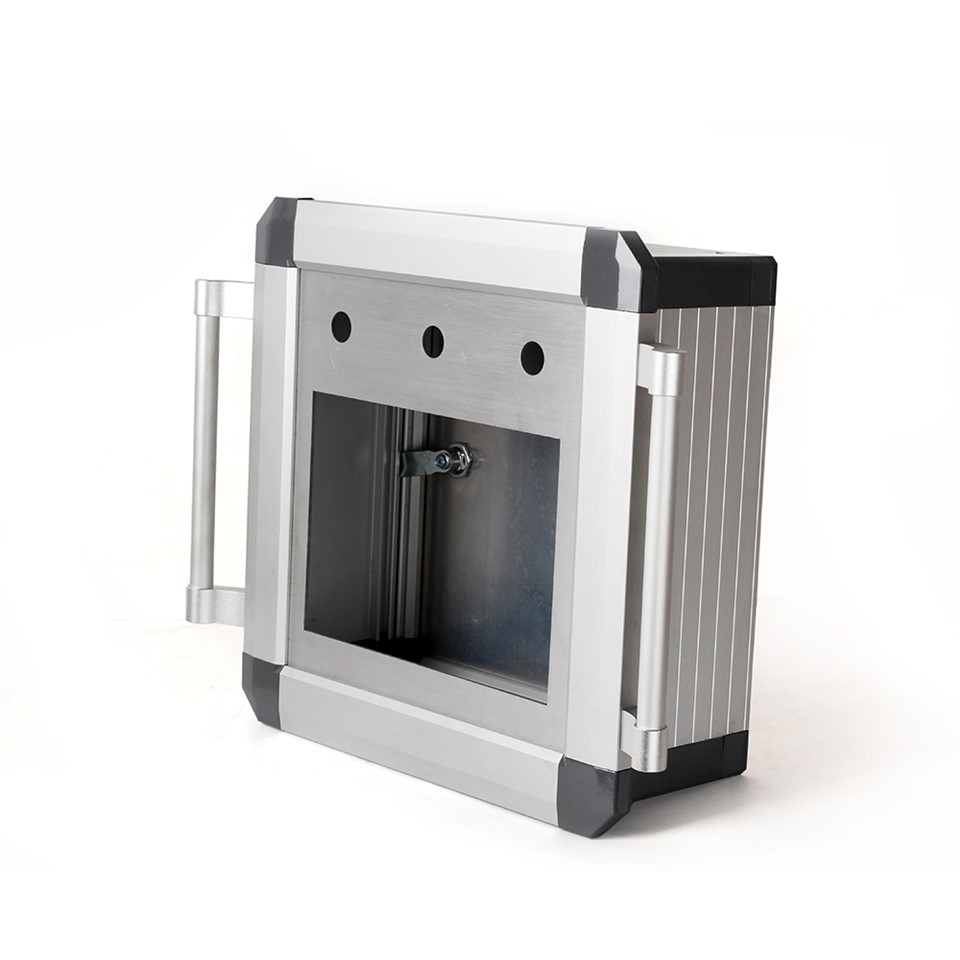
Panel coupling is a crucial component in various industrial and mechanical applications, especially when it comes to the support arm system enclosure. As a panel coupling supplier, understanding the installation angles for panel coupling is essential for ensuring optimal performance and functionality. In this blog, we will delve into the different installation angles for panel coupling and their significance in different scenarios.
The Basics of Panel Coupling
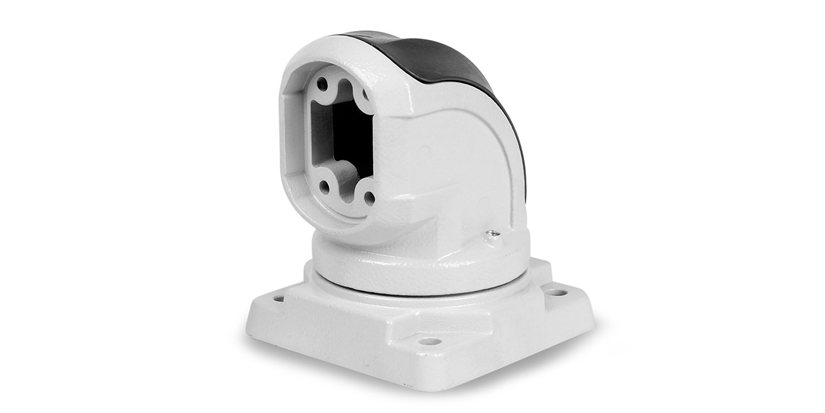
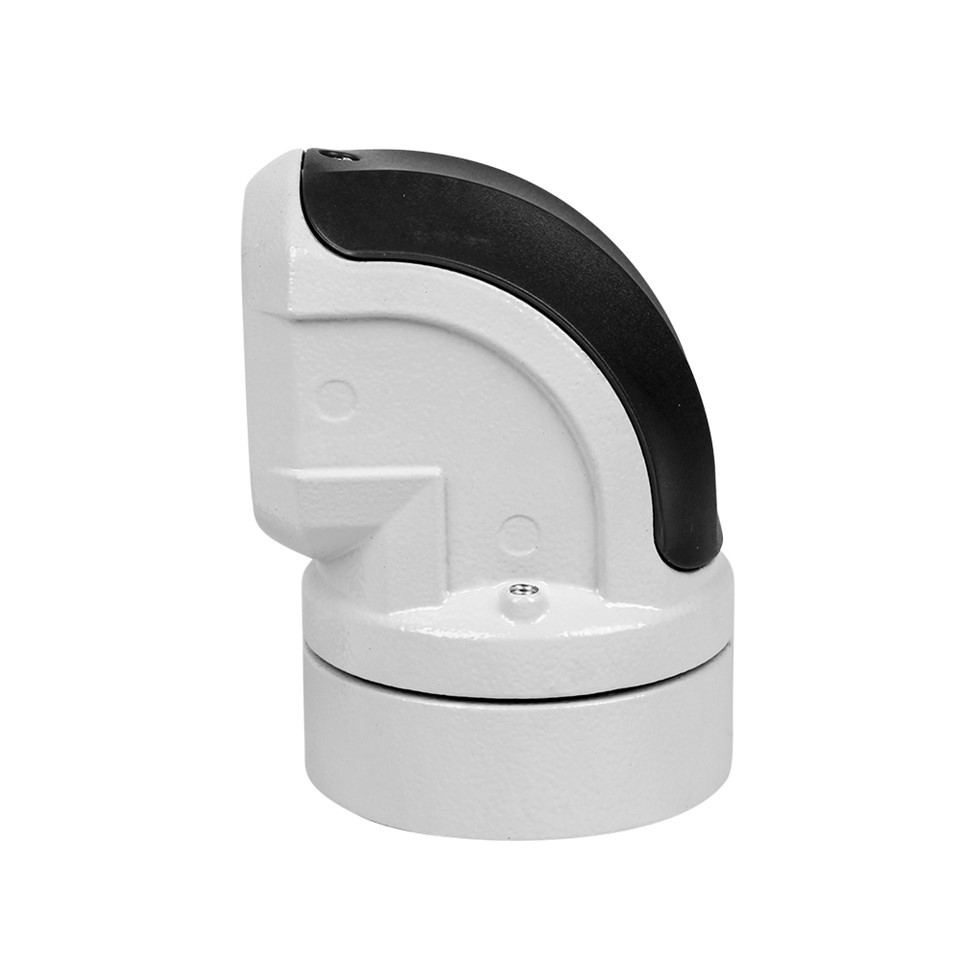
Before we discuss the installation angles, let's briefly understand what panel coupling is. Panel coupling is a device used to connect two panels or components together. It provides a secure and stable connection, allowing for the transfer of forces and movement between the connected parts. There are different types of panel couplings available in the market, such as the Panel 90° Angle Coupling and the Rotatable Panel Coupling, each designed for specific applications and installation requirements.
0° Installation Angle
The 0° installation angle is perhaps the most straightforward and commonly used angle for panel coupling. In this configuration, the two panels are connected in a straight line, with the coupling aligning the panels perfectly. This installation angle is ideal for applications where a linear connection is required, such as in a conveyor system or a straight support structure.
One of the main advantages of the 0° installation angle is its simplicity. It is easy to install and provides a high level of stability. The forces acting on the panels are transferred directly through the coupling, minimizing any potential for misalignment or movement. Additionally, this angle allows for maximum load-bearing capacity, making it suitable for heavy-duty applications.
However, the 0° installation angle may not be suitable for all applications. In some cases, a straight connection may not be possible or may not provide the desired flexibility. For example, in a robotic arm or a flexible support system, a different installation angle may be required to allow for movement and articulation.
90° Installation Angle
The 90° installation angle, as the name suggests, involves connecting the two panels at a right angle. This installation angle is commonly used in applications where a corner or a perpendicular connection is required. The Panel 90° Angle Coupling is specifically designed for this type of installation.
One of the key benefits of the 90° installation angle is its ability to create a rigid and stable corner connection. It is often used in the construction of frames, cabinets, and enclosures, where a strong and secure corner joint is essential. The coupling ensures that the panels are held firmly in place, preventing any movement or rotation.
Another advantage of the 90° installation angle is its versatility. It can be used in a variety of applications, both indoors and outdoors. Whether you are building a small display stand or a large industrial enclosure, the 90° installation angle can provide the necessary support and stability.
However, installing a panel coupling at a 90° angle requires careful planning and precise alignment. Any misalignment can result in a weak connection and may compromise the overall integrity of the structure. It is important to use the appropriate tools and techniques to ensure a proper installation.
Rotatable Installation Angle
The rotatable installation angle offers a high degree of flexibility and adjustability. With a Rotatable Panel Coupling, the panels can be rotated and adjusted to any desired angle. This type of installation is ideal for applications where movement and articulation are required, such as in a camera mount or a robotic arm.
One of the main advantages of the rotatable installation angle is its ability to adapt to different working conditions. It allows for easy adjustment and repositioning of the panels, making it suitable for applications where the orientation of the panels needs to be changed frequently. Additionally, the rotatable coupling can help to reduce stress and fatigue on the panels, as it allows for natural movement and flexibility.
However, the rotatable installation angle also has its limitations. It may not provide the same level of stability as a fixed installation angle, especially in applications where high loads or vibrations are present. It is important to choose a high-quality rotatable coupling that can withstand the forces and stresses of the application.
Factors to Consider When Choosing an Installation Angle
When choosing an installation angle for panel coupling, there are several factors that need to be considered. These include:
Application Requirements: The specific requirements of the application will determine the most suitable installation angle. Consider the type of movement, load capacity, and stability needed for the application.
Panel Material and Thickness: The material and thickness of the panels can also affect the choice of installation angle. Different materials may require different types of couplings and installation methods.
Environmental Conditions: The environmental conditions, such as temperature, humidity, and exposure to chemicals, can impact the performance of the panel coupling. Choose a coupling that is suitable for the environmental conditions of the application.
Ease of Installation and Maintenance: Consider the ease of installation and maintenance when choosing an installation angle. A coupling that is easy to install and maintain can save time and money in the long run.
Conclusion
In conclusion, the installation angle for panel coupling plays a crucial role in the performance and functionality of the connected panels. Whether you choose a 0°, 90°, or rotatable installation angle, it is important to consider the specific requirements of the application and choose a coupling that is suitable for the task. As a panel coupling supplier, we offer a wide range of couplings designed for different installation angles and applications. If you have any questions or need assistance in choosing the right panel coupling for your project, please do not hesitate to contact us. We are here to help you find the best solution for your needs.
References
Engineering Handbook of Mechanical Components
Industrial Design and Manufacturing Standards