Welcome to DEXUAN
What are the wear - resistance properties of caster aluminum plates?
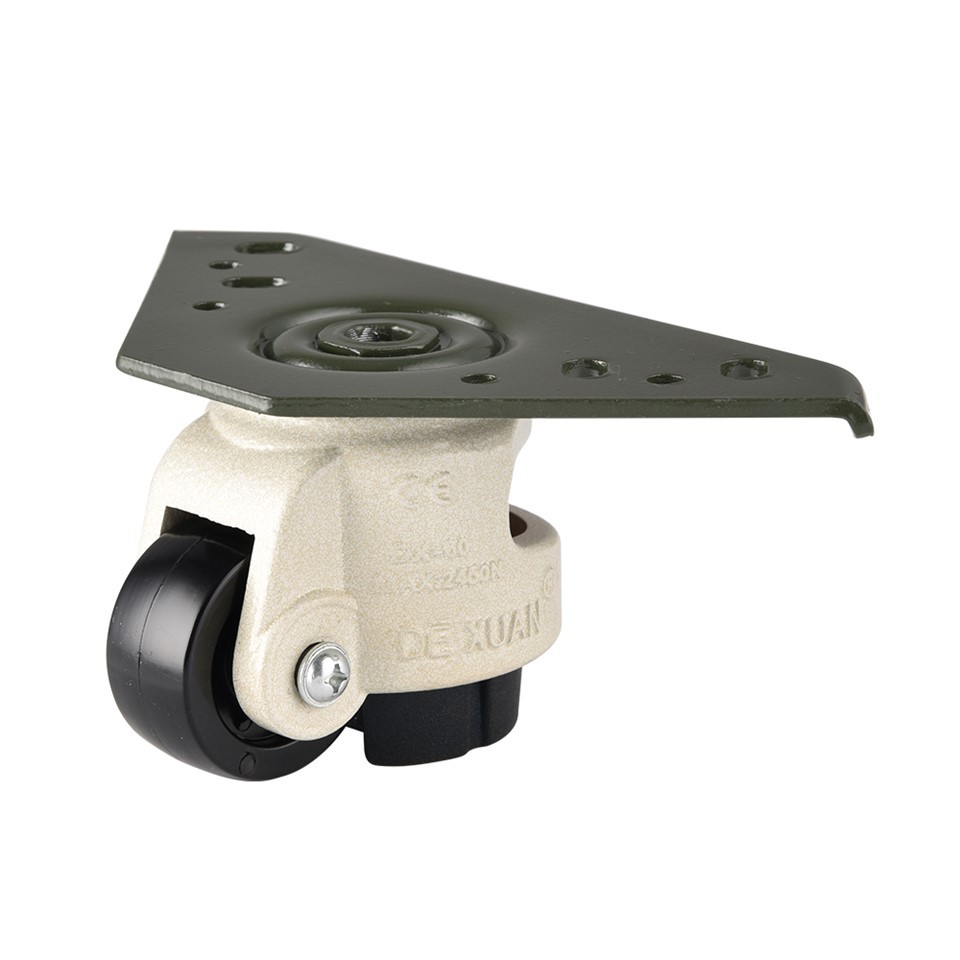
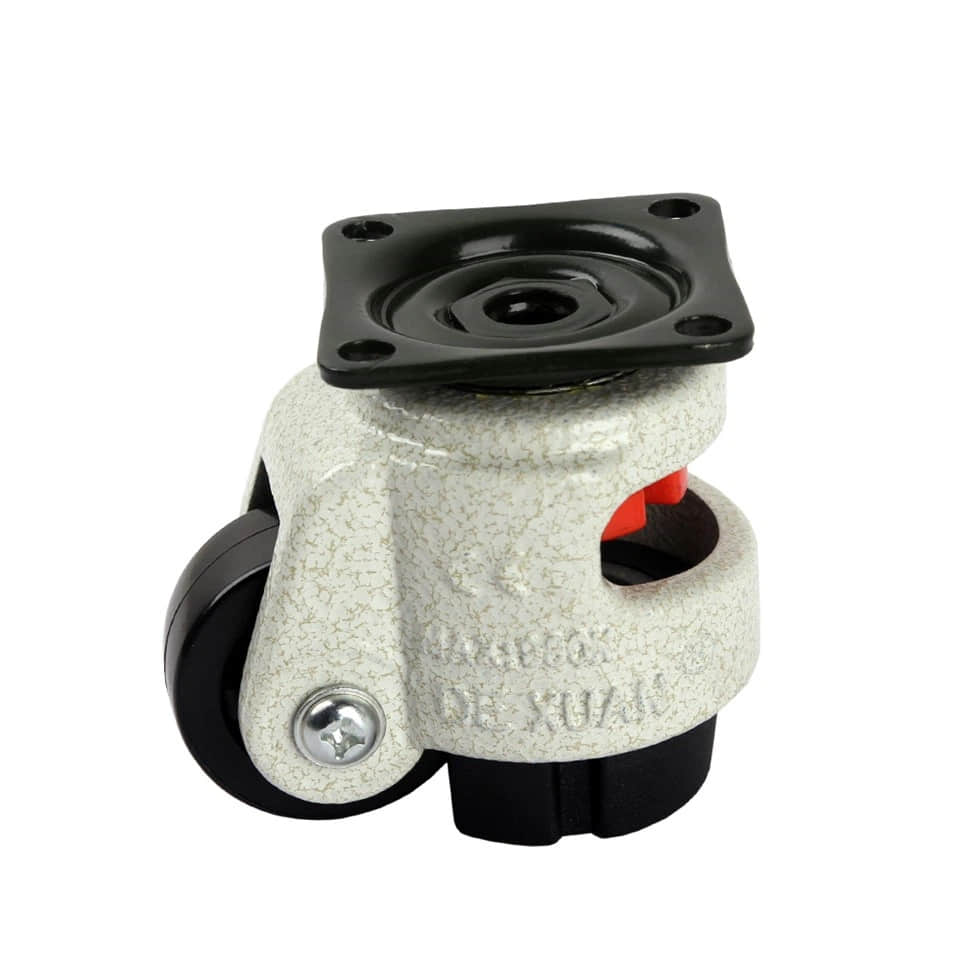
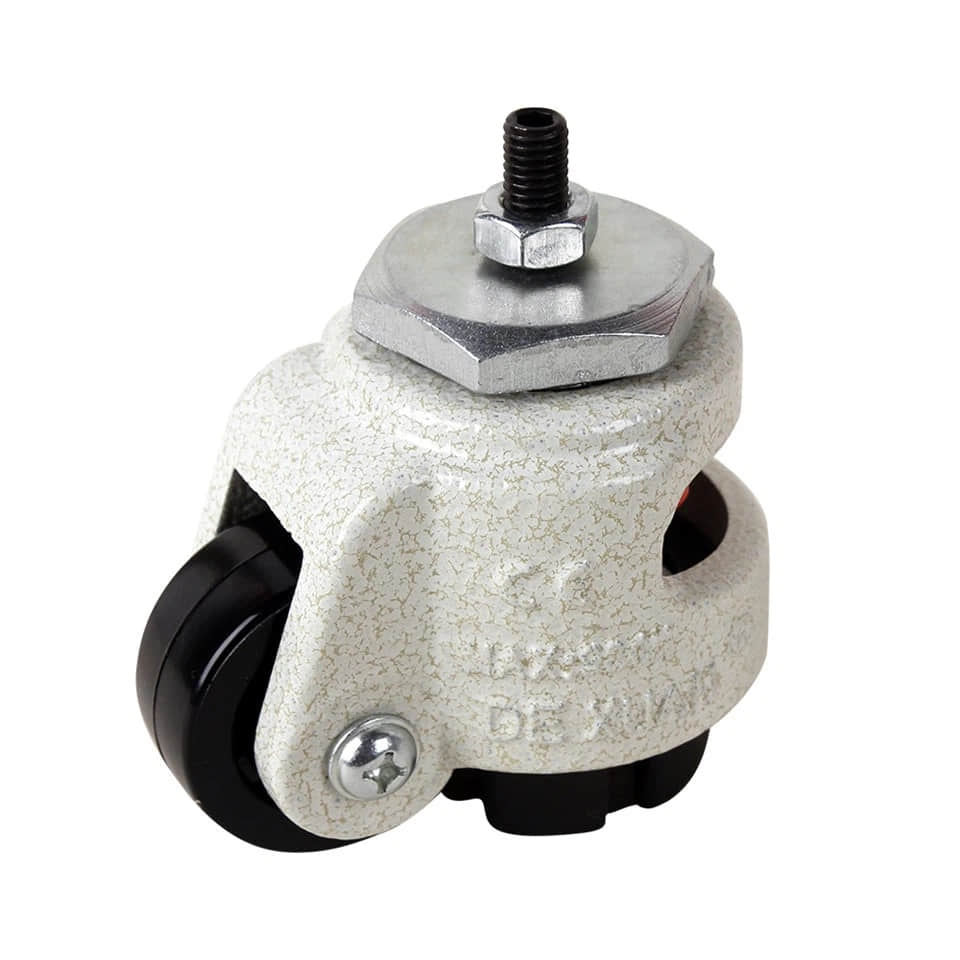
Hey there! As a supplier of Caster Aluminum Plate, I've gotten a ton of questions about the wear - resistance properties of these plates. So, I thought I'd sit down and write this blog to break it all down for you.
First off, let's talk about what wear - resistance actually means. In simple terms, wear - resistance is how well a material can withstand the damage caused by friction, abrasion, or impact over time. For caster aluminum plates, this is super important because they're often used in environments where they'll be in constant contact with other surfaces, like in industrial settings or heavy - duty equipment.
One of the key factors that gives caster aluminum plates their wear - resistance is the alloy composition. Aluminum itself is a relatively soft metal, but when it's alloyed with other elements, its properties change significantly. Common alloying elements for caster aluminum plates include copper, magnesium, silicon, and zinc.
Copper, for example, can increase the strength and hardness of the aluminum alloy. A harder material is generally more wear - resistant because it can better resist the forces that cause wear. When you've got a caster aluminum plate with a good amount of copper in its alloy, it can handle more pressure and friction without getting worn down quickly.
Magnesium is another important alloying element. It helps improve the corrosion resistance of the aluminum plate, which is closely related to wear - resistance. Corrosion can weaken the surface of the plate, making it more prone to wear. By adding magnesium, we can protect the plate from rust and other forms of corrosion, thus maintaining its integrity and wear - resistance over time.
Silicon is known for enhancing the fluidity of the aluminum alloy during the casting process. This results in a more uniform microstructure, which in turn improves the wear - resistance. A uniform microstructure means that the plate has consistent properties throughout, so there aren't any weak spots that are more likely to wear out.
Zinc is also added to some caster aluminum alloys. It can increase the strength and hardness of the plate, similar to copper. In addition, zinc can improve the plate's ability to resist fatigue, which is important when the plate is subjected to repeated loading and unloading, like in a moving caster system.
The manufacturing process also plays a huge role in the wear - resistance of caster aluminum plates. The casting method used can affect the density and porosity of the plate. For example, die - casting is a popular method for making caster aluminum plates. It involves forcing molten aluminum into a mold under high pressure. This results in a plate with a dense and uniform structure, which is great for wear - resistance.
On the other hand, if the casting process isn't done correctly, the plate may have porosity or other defects. These defects can act as weak points where wear can start and spread more easily. That's why at our company, we pay close attention to every step of the manufacturing process to ensure that our caster aluminum plates have the best possible wear - resistance.
Surface treatments are another way to boost the wear - resistance of caster aluminum plates. Anodizing is a common surface treatment for aluminum. It creates a hard, protective oxide layer on the surface of the plate. This layer can significantly increase the plate's resistance to abrasion and corrosion.
Another surface treatment option is coating. We can apply various types of coatings to the caster aluminum plates, such as ceramic coatings or polymer coatings. These coatings can provide an extra layer of protection against wear, depending on the specific requirements of the application.
Now, let's look at some real - world applications where the wear - resistance of caster aluminum plates is crucial. In the automotive industry, caster aluminum plates are used in many components, like suspension systems. These plates need to be able to withstand the constant vibrations, impacts, and friction that come with driving. If they don't have good wear - resistance, they'll wear out quickly, leading to costly repairs and replacements.
In the manufacturing industry, caster aluminum plates are often used in conveyor systems. The plates are in constant contact with the moving parts of the conveyor, so they need to be able to resist wear to ensure the smooth operation of the system. A worn - out plate can cause the conveyor to malfunction, leading to production delays and losses.
In the furniture industry, caster aluminum plates are used in chairs and other movable furniture. They need to be wear - resistant so that the furniture can last a long time, even with regular use. No one wants a chair that starts to wobble or break down because the caster plates have worn out.
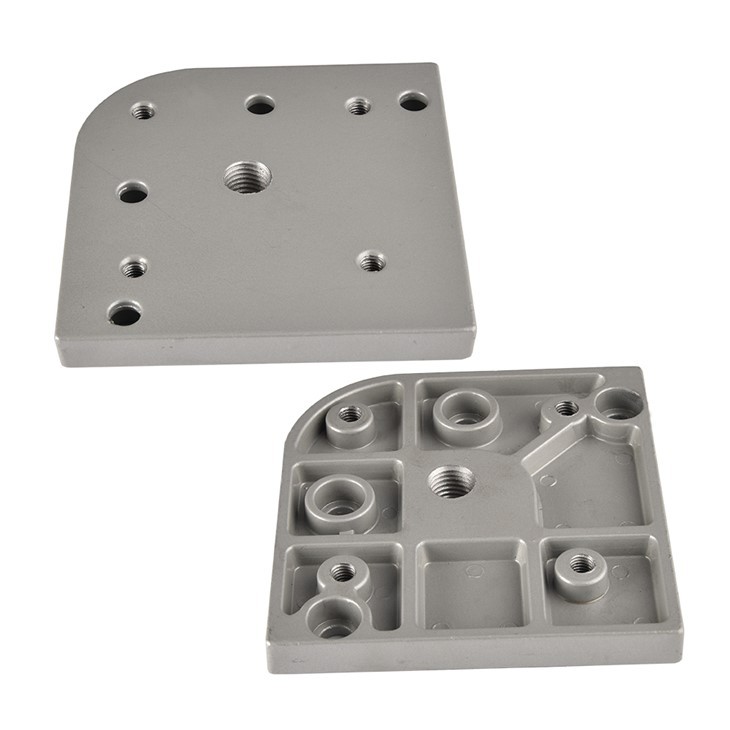
When it comes to comparing the wear - resistance of caster aluminum plates with other materials, aluminum has some clear advantages. Compared to steel, aluminum is lighter, which can be a big plus in many applications. It also has good corrosion resistance, which means it won't rust like steel. However, steel is generally harder and may have better wear - resistance in some extremely high - stress applications.
Plastic materials are also used in some caster applications, but they usually don't have the same level of wear - resistance as caster aluminum plates. Plastic can deform easily under pressure and may not be able to handle heavy loads or high - friction situations.
As a supplier of Caster Aluminum Plate, I'm really proud of the products we offer. Our caster aluminum plates are designed and manufactured with the highest standards to ensure excellent wear - resistance. We use the best alloy compositions, state - of - the - art manufacturing processes, and appropriate surface treatments to make sure that our plates can meet the needs of various industries.
If you're in the market for caster aluminum plates and are concerned about wear - resistance, I'd love to have a chat with you. We can discuss your specific requirements and help you choose the right product for your application. Whether you're in the automotive, manufacturing, or furniture industry, we've got the expertise and the products to meet your needs. So, don't hesitate to reach out and start a conversation about your caster aluminum plate needs.
References:
"Aluminum Alloys: Structure and Properties" by John E. Hatch
"Manufacturing Processes for Engineering Materials" by S. Kalpakjian and S. R. Schmid