Welcome to DEXUAN
What is the corrosion resistance of heavy duty casters?
In the industrial and commercial sectors, heavy duty casters play a pivotal role in facilitating the movement of heavy equipment and materials. As a leading heavy duty caster supplier, I understand the significance of corrosion resistance in these essential components. In this blog post, I will delve into the concept of corrosion resistance in heavy duty casters, exploring its importance, the factors affecting it, and the measures we take to ensure our casters can withstand harsh environments.
The Importance of Corrosion Resistance in Heavy Duty Casters
Corrosion is a natural process that occurs when metals react with their environment, leading to the deterioration of the metal over time. In the context of heavy duty casters, corrosion can have severe consequences. Firstly, it can compromise the structural integrity of the caster. As the metal corrodes, it weakens, which can lead to breakage or failure of the caster during operation. This not only poses a safety risk but also results in costly downtime as equipment needs to be repaired or replaced.
Secondly, corrosion can affect the performance of the caster. A corroded caster may not roll smoothly, causing increased friction and resistance. This can make it more difficult to move heavy loads, leading to increased energy consumption and reduced efficiency. In industries where precision and reliability are crucial, such as manufacturing and logistics, the impact of a poorly performing caster can be far - reaching.
Finally, in some industries, such as food processing, pharmaceuticals, and marine applications, there are strict hygiene and safety regulations. Corroded casters can harbor bacteria and other contaminants, which can pose a risk to product quality and human health. Therefore, corrosion - resistant casters are essential to meet these regulatory requirements.
Factors Affecting the Corrosion Resistance of Heavy Duty Casters
Several factors influence the corrosion resistance of heavy duty casters. The first and most obvious factor is the material used in the construction of the caster. Different metals have different levels of resistance to corrosion. For example, stainless steel is known for its excellent corrosion resistance due to the presence of chromium, which forms a passive oxide layer on the surface of the metal, protecting it from further oxidation. On the other hand, carbon steel, while strong and durable, is more susceptible to corrosion, especially in humid or corrosive environments.
The design of the caster also plays a role in its corrosion resistance. A well - designed caster will have features that prevent the accumulation of moisture and contaminants. For instance, casters with sealed bearings are less likely to allow water and dirt to enter, reducing the risk of corrosion inside the bearing. Additionally, the shape and structure of the caster can affect how easily it can be cleaned. Casters with smooth surfaces and minimal crevices are easier to clean, which helps to prevent the build - up of corrosive substances.
The environment in which the caster is used is another critical factor. Casters used in outdoor environments are exposed to rain, snow, and humidity, which can accelerate corrosion. In industrial settings, they may be exposed to chemicals, such as acids, alkalis, and salts, which can be highly corrosive. Marine applications present an even more challenging environment, as the saltwater is extremely corrosive to most metals.
Our Approach to Ensuring Corrosion Resistance
As a heavy duty caster supplier, we take several steps to ensure that our casters have excellent corrosion resistance.
Material Selection
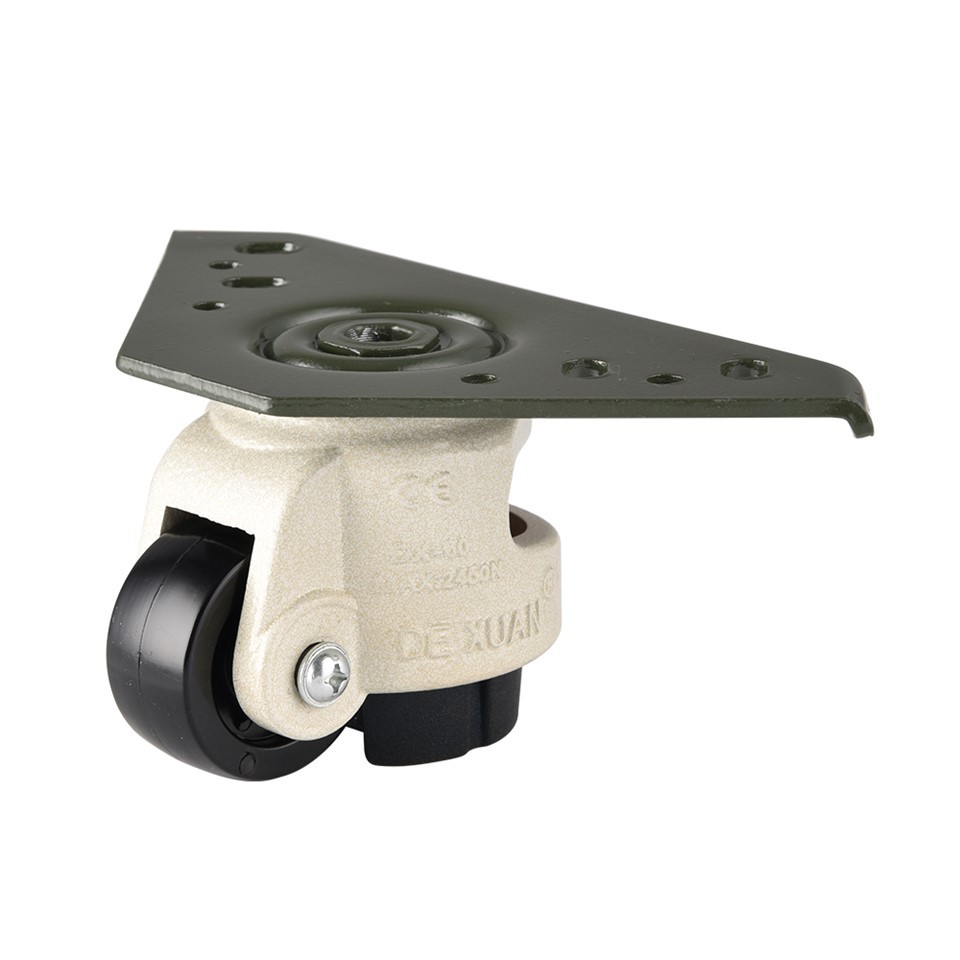
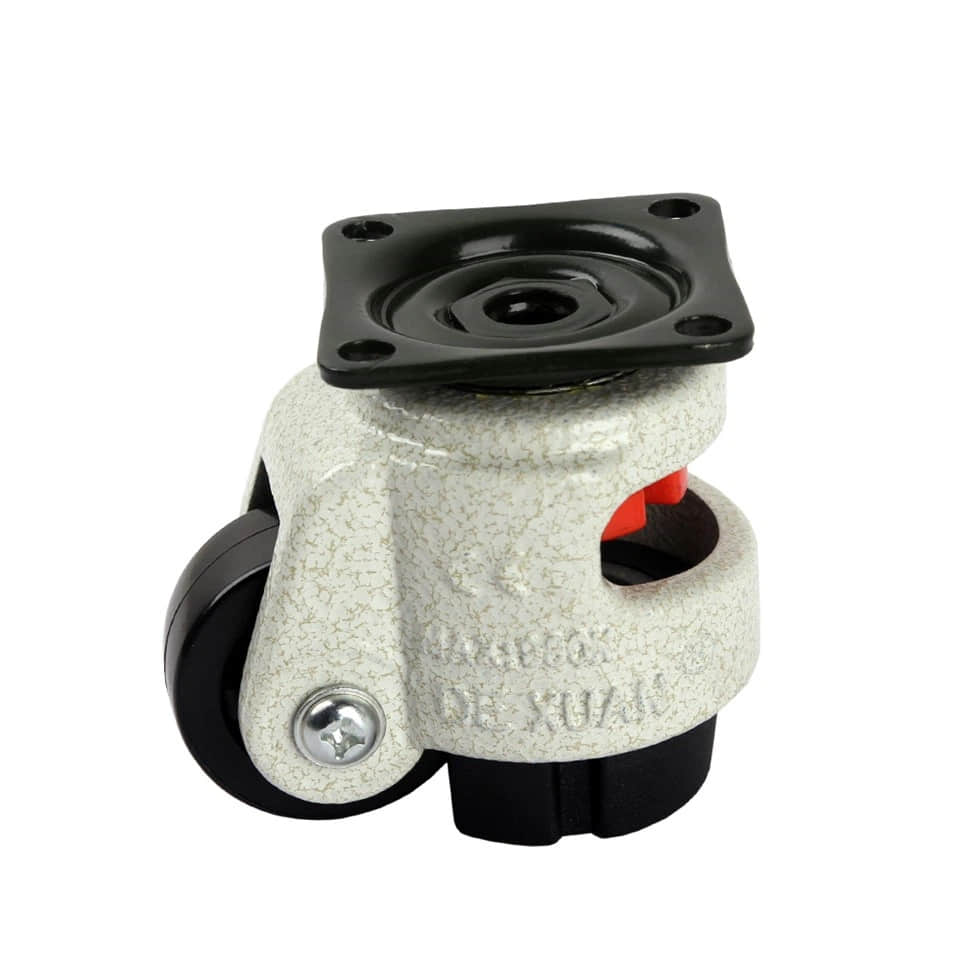
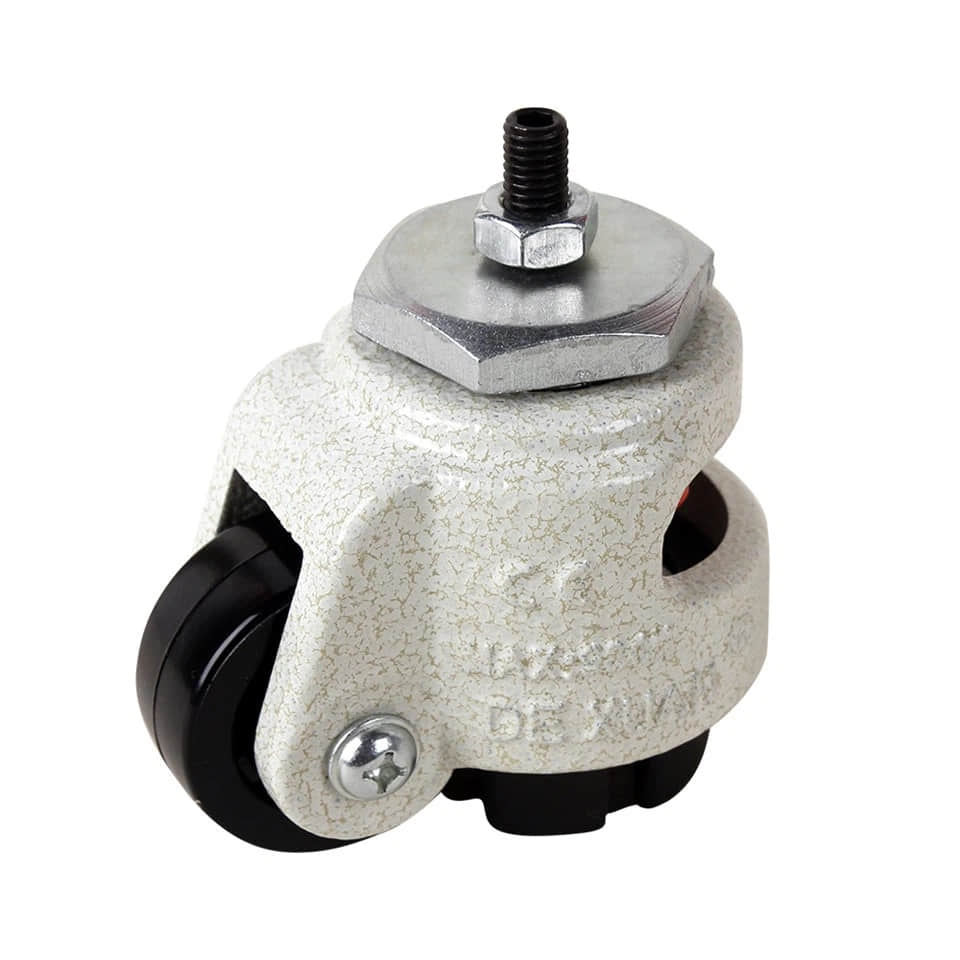
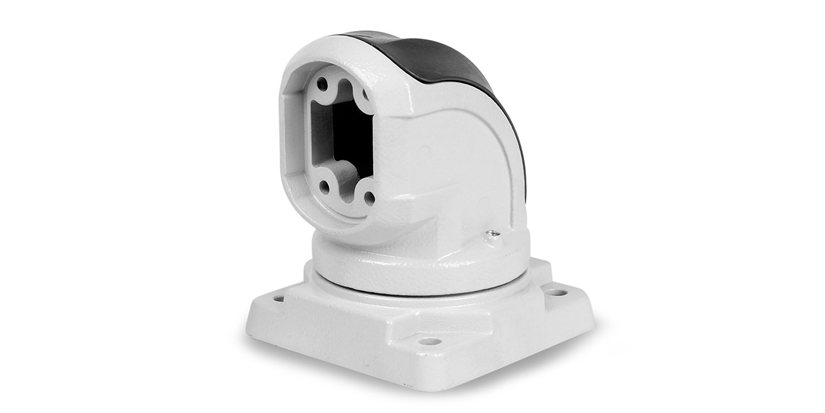
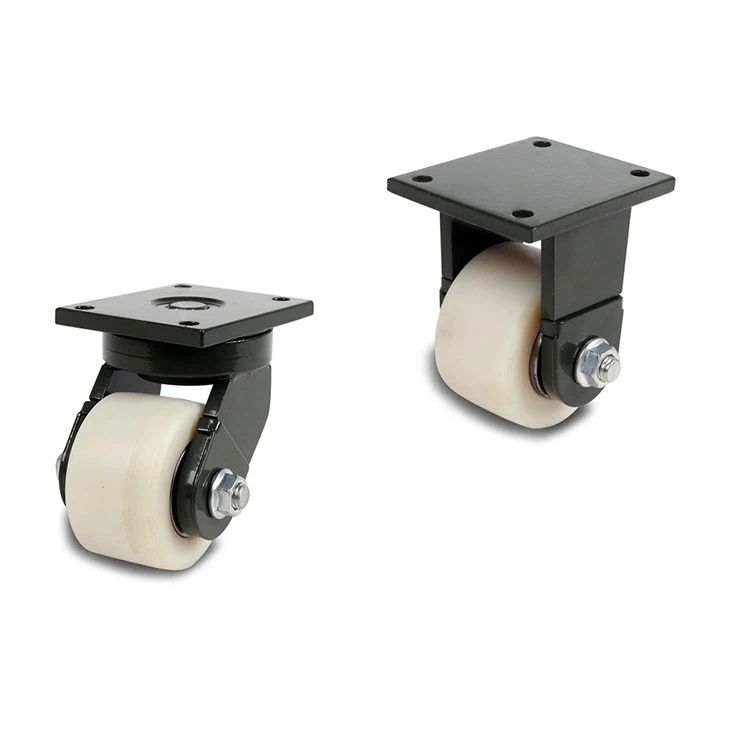
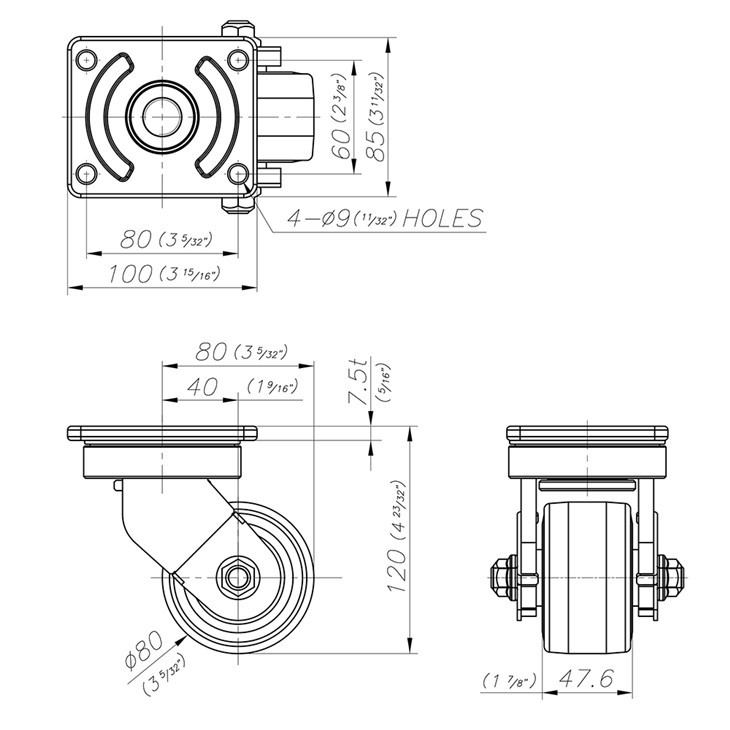
We offer a wide range of caster materials to meet the diverse needs of our customers. Our Rigid Heavy Duty Caster and Swivel Heavy Duty Caster are available in stainless steel, which provides superior corrosion resistance, making them suitable for use in harsh and corrosive environments. We also offer carbon steel casters that are coated with anti - corrosion finishes, such as zinc plating or powder coating, to enhance their resistance to rust and corrosion.
Advanced Manufacturing Processes
Our manufacturing processes are designed to optimize the corrosion resistance of our casters. We use precision machining techniques to ensure that the surfaces of our casters are smooth and free from defects, which can act as sites for corrosion initiation. In addition, we perform strict quality control checks during the manufacturing process to ensure that all casters meet our high standards of corrosion resistance.
Customization
We understand that different customers have different requirements for corrosion resistance based on their specific applications. Therefore, we offer customization services. Our team of experts can work with you to design and manufacture casters that are tailored to your unique environmental conditions and performance needs. Whether you need a caster for a high - humidity environment, a chemical - exposed industrial setting, or a marine application, we can provide a solution that meets your exact specifications.
Testing and Certification
To ensure the reliability of our corrosion - resistant casters, we conduct rigorous testing. Our casters are tested in simulated environments that mimic the conditions they will face in real - world applications. We use salt spray tests, humidity tests, and chemical immersion tests to evaluate the corrosion resistance of our casters over time.
In addition, our casters are certified to meet international standards for corrosion resistance, such as ISO 9227 for salt spray testing. These certifications provide our customers with the confidence that our casters will perform as expected in their intended applications.
Contact Us for Your Heavy Duty Caster Needs
If you are in the market for high - quality, corrosion - resistant heavy duty casters, look no further. As a trusted heavy duty caster supplier, we are committed to providing you with the best products and services. Our team of experts is ready to assist you in selecting the right casters for your specific needs and applications. Whether you have questions about corrosion resistance, need a custom - designed caster, or are ready to place an order, we are here to help. Contact us today to start a discussion about your heavy duty caster requirements and let us help you find the perfect solution.
References
"Corrosion of Metals: Principles, Prevention, and Protection" by Pierre Roberge
"Handbook of Corrosion Engineering" by Craig L. Ray
International Organization for Standardization (ISO) standards related to corrosion testing and prevention.