Welcome to DEXUAN
What is the function of the brakes on a plastic platform cart?
As a supplier of Plastic Platform Carts, I've had numerous inquiries about the functionality of the brakes on these carts. In this blog post, I'll delve into the importance and functions of brakes on plastic platform carts, shedding light on why they are an indispensable feature.
1. Safety Assurance
One of the primary functions of brakes on a plastic platform cart is to ensure safety. When the cart is loaded with heavy items, it can gain significant momentum, especially when moving on an inclined surface. Without proper brakes, the cart could roll out of control, posing a serious risk to people in the vicinity and potentially causing damage to the goods being transported.
For instance, in a warehouse setting, where workers are constantly moving around, an uncontrolled cart could collide with employees, leading to injuries. Similarly, in a retail environment, a runaway cart could damage merchandise displays. The brakes act as a safeguard, allowing the operator to stop the cart instantly when needed, preventing such accidents from occurring.
2. Load Stability
Another crucial function of the brakes is to maintain load stability. When a cart is stationary, the brakes keep it firmly in place, preventing it from shifting or moving unexpectedly. This is particularly important when loading or unloading the cart. If the cart were to move during this process, it could cause the items to fall off, resulting in product damage and potential injury.
Consider a scenario where a worker is loading a heavy piece of equipment onto a plastic platform cart. Without brakes, the cart could move slightly, causing the equipment to become unbalanced and potentially tip over. By engaging the brakes, the worker can ensure that the cart remains stable throughout the loading and unloading process, minimizing the risk of accidents.
3. Precision Positioning
Brakes on plastic platform carts also enable precise positioning. In many work environments, it's essential to place the cart exactly where it's needed. Whether it's aligning the cart with a loading dock or positioning it next to a workstation, the brakes allow the operator to make fine adjustments and hold the cart in place.
For example, in a manufacturing facility, parts need to be transported to specific assembly stations. The operator can use the brakes to stop the cart precisely at the required location, ensuring that the parts are delivered accurately. This precision positioning not only improves efficiency but also reduces the likelihood of errors in the production process.
4. Adaptability to Different Surfaces
Plastic platform carts are used in a variety of environments, including smooth floors, rough surfaces, and even outdoor areas. The brakes play a crucial role in adapting to these different surfaces. On smooth floors, the brakes need to provide sufficient friction to stop the cart quickly. On rough or uneven surfaces, the brakes need to be able to grip the ground effectively to prevent the cart from sliding.
Some plastic platform carts are equipped with specialized brakes that are designed to work well on different surfaces. For example, there are brakes with rubber pads that provide better traction on smooth floors, while others have serrated edges that can grip rough surfaces more effectively. This adaptability ensures that the cart can be used safely and efficiently in a wide range of settings.
5. Compliance with Regulations
In many industries, there are strict safety regulations regarding the use of material handling equipment, including plastic platform carts. Brakes are often a requirement to meet these regulations. By providing carts with reliable brakes, suppliers ensure that their customers are in compliance with the law, avoiding potential fines and legal issues.
For example, in the food and beverage industry, there are regulations regarding the safe movement of goods to prevent contamination. Carts with brakes help ensure that the products are transported safely and securely, meeting the industry's standards.
Types of Brakes on Plastic Platform Carts
There are several types of brakes commonly used on plastic platform carts:
Foot-Operated Brakes: These are the most common type of brakes on plastic platform carts. They are easy to operate, allowing the operator to engage or disengage the brakes with a simple foot motion. Foot-operated brakes are typically located on the wheels and provide reliable stopping power.
Hand-Operated Brakes: Hand-operated brakes are often used in situations where the operator needs more control or where foot operation is not practical. These brakes are usually located on the handle of the cart and can be easily reached by the operator.
Automatic Brakes: Some plastic platform carts are equipped with automatic brakes that engage when the cart is not in use or when it reaches a certain speed. These brakes provide an additional layer of safety, ensuring that the cart stops automatically in case of an emergency.
Conclusion
In conclusion, the brakes on a plastic platform cart serve multiple important functions. They ensure safety, maintain load stability, enable precision positioning, adapt to different surfaces, and help meet regulatory requirements. As a supplier of Plastic Platform Cart, I understand the significance of these features and strive to provide high-quality carts with reliable brakes.
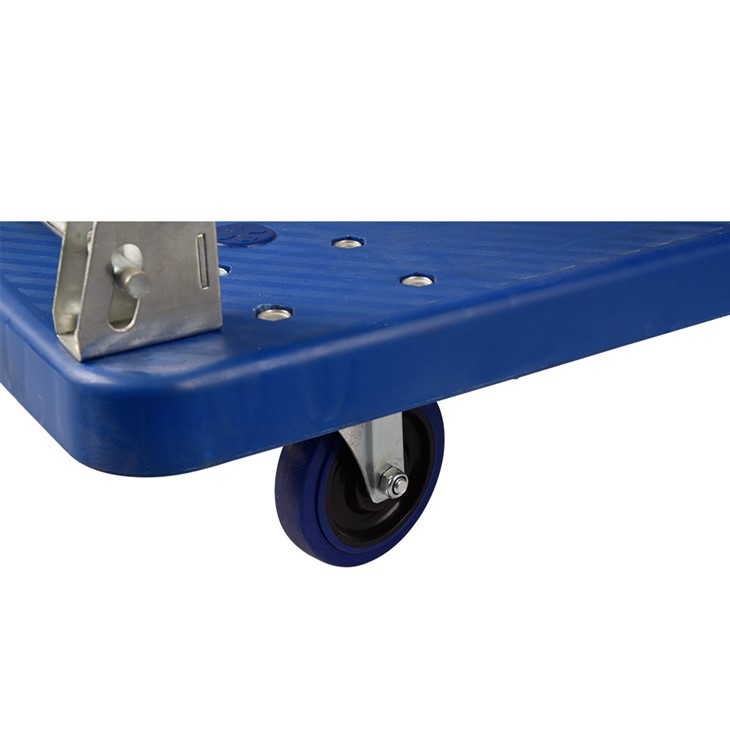
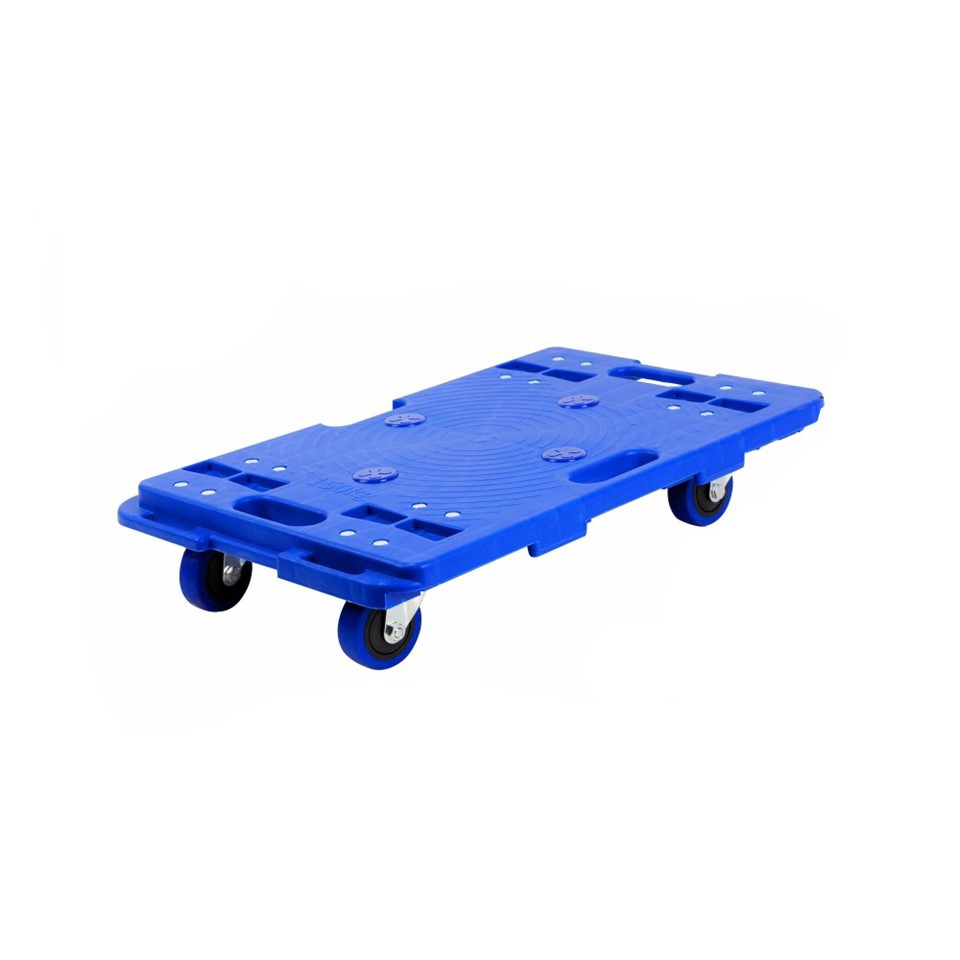
If you're in the market for a plastic platform cart, it's essential to consider the quality and functionality of the brakes. A cart with well-designed brakes will not only improve safety but also enhance the efficiency of your operations.
If you have any questions or are interested in purchasing our plastic platform carts, please feel free to reach out. We're here to assist you in finding the right solution for your needs. Whether you need a single cart or a large fleet, we can provide you with the best products and services. Contact us today to start the procurement process and take your material handling to the next level.
References
"Material Handling Equipment Safety Standards," Occupational Safety and Health Administration (OSHA).
"Best Practices for Using Plastic Platform Carts," Industrial Equipment Manufacturers Association.