Welcome to DEXUAN
What is the maximum height adjustment range of a leveling foot?
Hey there! As a supplier of leveling feet, I often get asked about the maximum height adjustment range of these nifty little gadgets. It's a crucial question, especially for industries where precision and stability are the name of the game. So, let's dive right in and explore what the maximum height adjustment range of a leveling foot can be.
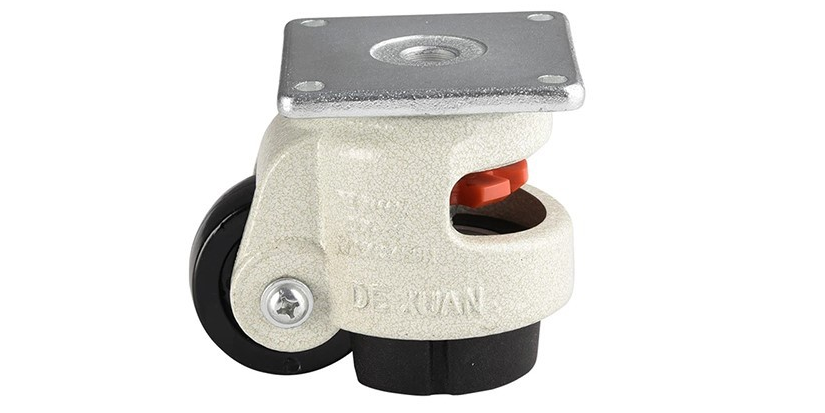
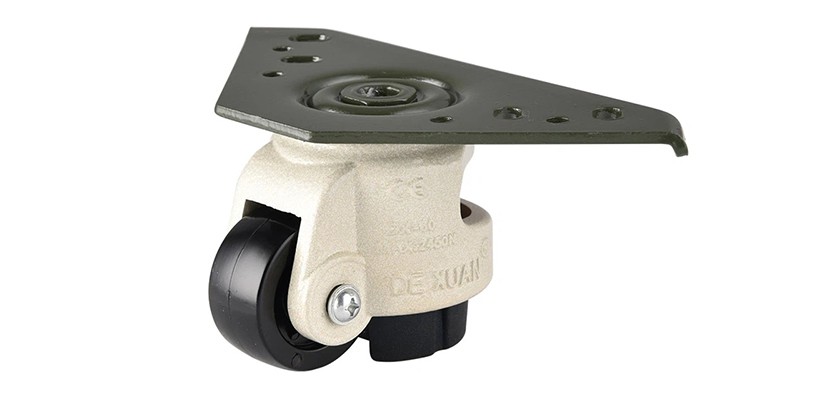
First off, what exactly are leveling feet? Well, they're those small but mighty devices that help you level and stabilize all sorts of equipment, from industrial machines to heavy-duty furniture. They come in different shapes, sizes, and materials, each designed to meet specific needs. Whether you're dealing with uneven floors or need to fine-tune the height of your equipment, leveling feet are the go-to solution.
Now, the maximum height adjustment range of a leveling foot can vary quite a bit. It depends on several factors, such as the type of leveling foot, its design, and the materials used. Let's take a closer look at some common types of leveling feet and their typical height adjustment ranges.
Industrial Machine Leveling Feet
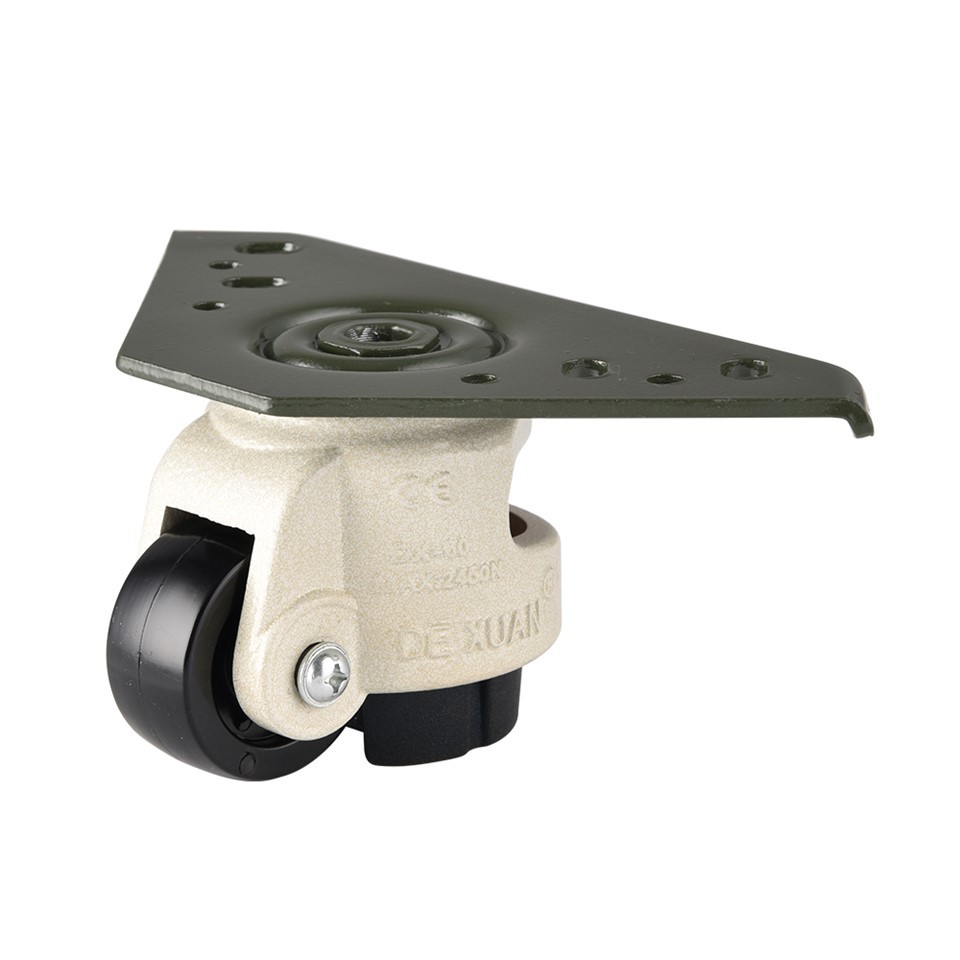
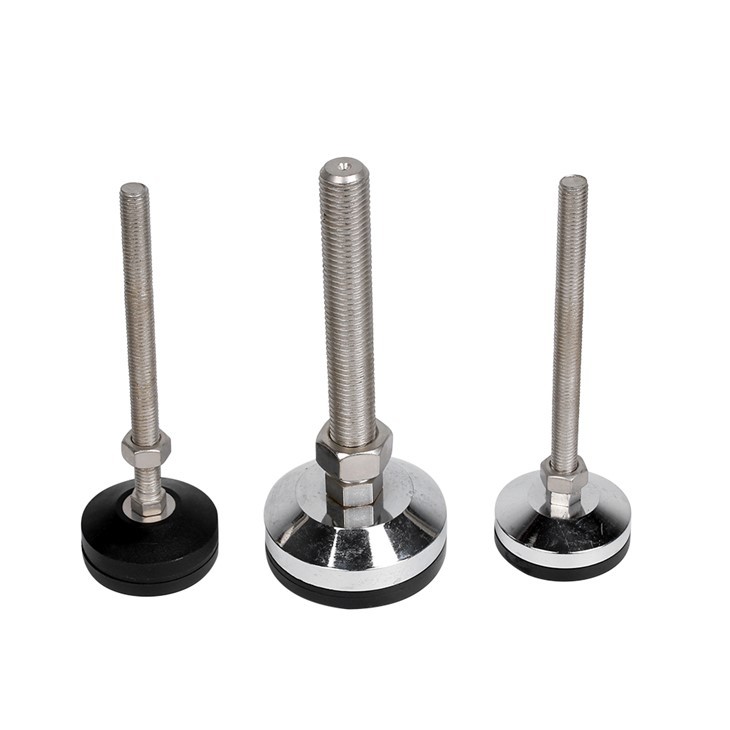
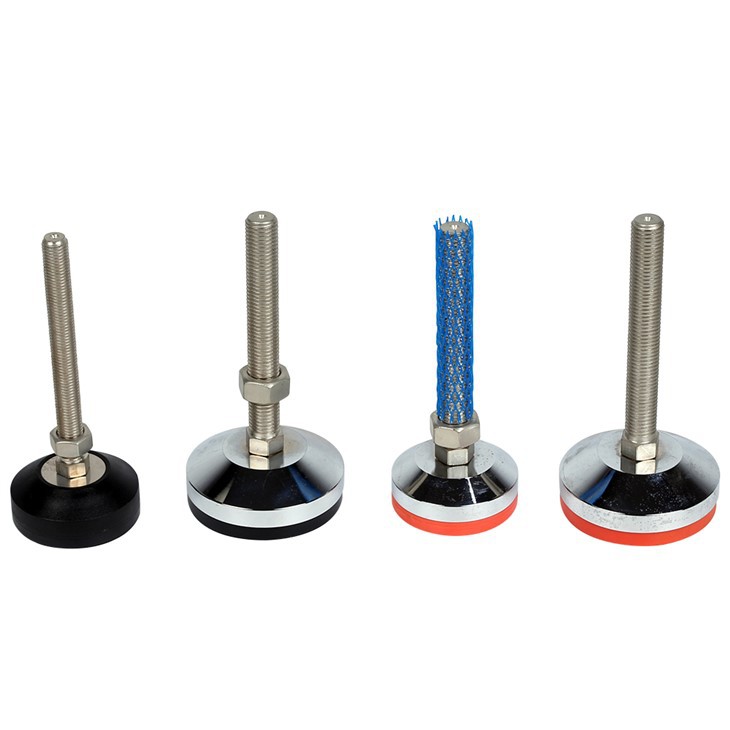
Industrial Machine Leveling Feet are built tough to handle the demands of industrial environments. These leveling feet are usually made from high-strength materials like steel or cast iron, which can withstand heavy loads and provide long-lasting performance.
The maximum height adjustment range of industrial machine leveling feet can typically range from a few millimeters to several inches. For lighter industrial applications, you might find leveling feet with an adjustment range of around 10 to 50 millimeters. These are great for small to medium-sized machines that require a relatively small amount of height adjustment.
On the other hand, for larger industrial equipment, such as heavy manufacturing machines or large-scale production lines, you'll need leveling feet with a greater height adjustment range. In these cases, you can expect to find leveling feet that can adjust anywhere from 50 millimeters to 150 millimeters or more. This allows you to compensate for significant floor irregularities and ensure that your equipment is perfectly level.
Heavy Duty Adjustable Leveling Feet
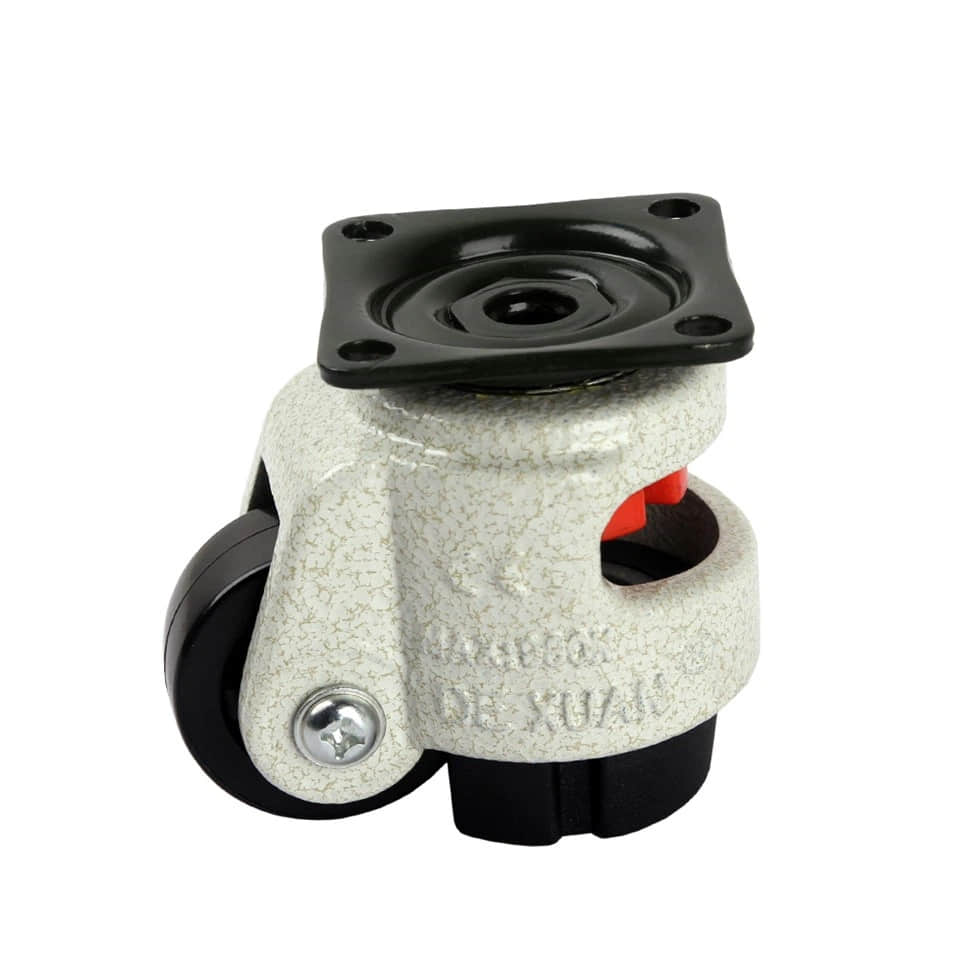
Heavy Duty Adjustable Leveling Feet are designed for the most demanding applications. These leveling feet are often used in industries like construction, mining, and heavy machinery, where the loads are extremely high and the need for stability is critical.
Heavy duty adjustable leveling feet typically have a larger maximum height adjustment range compared to standard industrial leveling feet. You can find these leveling feet with an adjustment range of up to 200 millimeters or even more. This extra range is essential for dealing with rough or uneven terrain, as well as for making precise height adjustments to large and heavy equipment.
One of the key features of heavy duty adjustable leveling feet is their ability to handle heavy loads. They're often equipped with large base plates and high-strength threads, which distribute the weight evenly and prevent the leveling feet from sinking or tipping under pressure. This makes them ideal for use in applications where stability is of the utmost importance.
Factors Affecting the Maximum Height Adjustment Range
While the type of leveling foot is a major factor in determining the maximum height adjustment range, there are other factors to consider as well. Here are some of the key factors that can affect the height adjustment range of a leveling foot:
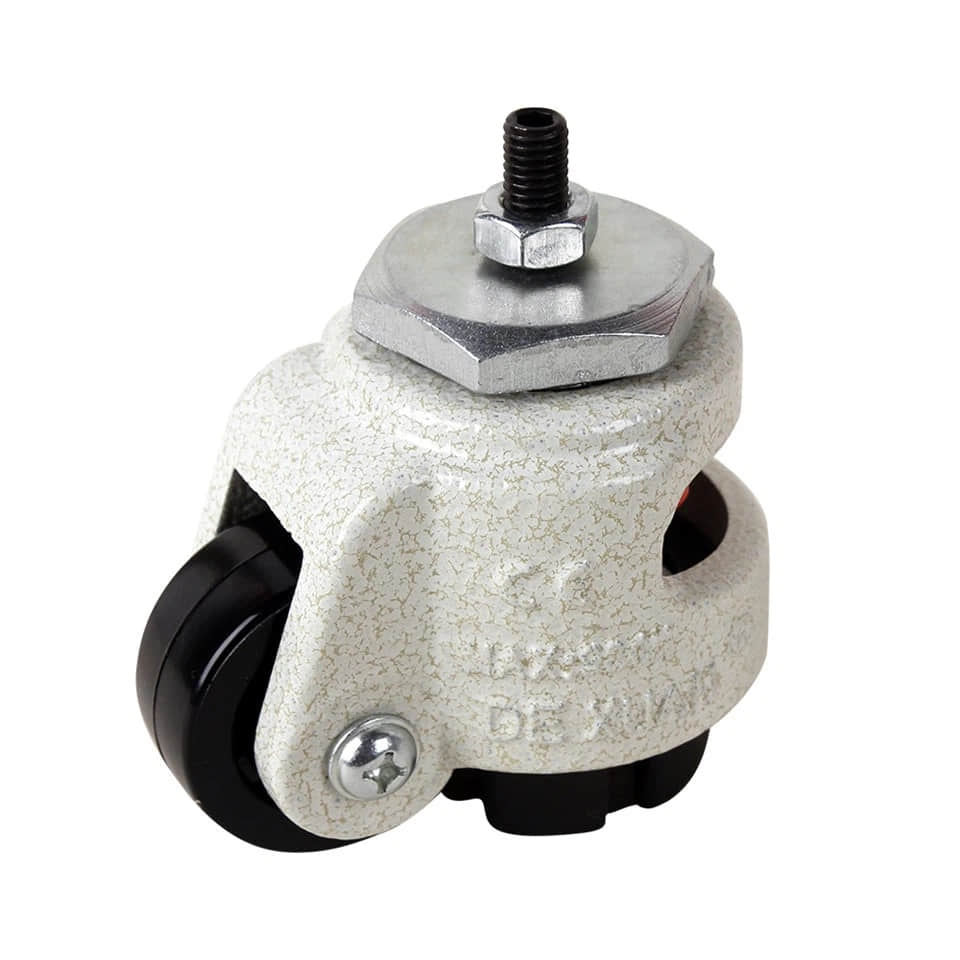
Thread Pitch: The thread pitch of a leveling foot refers to the distance between the threads on the screw. A finer thread pitch allows for more precise height adjustments, but it also limits the maximum adjustment range. On the other hand, a coarser thread pitch allows for a greater adjustment range, but the adjustments may be less precise.
Screw Length: The length of the screw on a leveling foot also plays a role in determining the maximum height adjustment range. A longer screw will generally provide a greater adjustment range, but it may also be more prone to bending or breaking under heavy loads.
Base Plate Size: The size of the base plate on a leveling foot affects its stability and load-bearing capacity. A larger base plate provides more stability and can handle heavier loads, but it may also limit the maximum height adjustment range.
Material Strength: The strength of the materials used to make the leveling foot is crucial for ensuring its durability and performance. High-strength materials like steel or cast iron can withstand heavy loads and provide a greater maximum height adjustment range compared to weaker materials.
Choosing the Right Leveling Foot for Your Application
When it comes to choosing the right leveling foot for your application, it's important to consider the maximum height adjustment range, as well as other factors such as load capacity, stability, and durability. Here are some tips to help you make the right choice:
Determine the Load Requirements: The first step is to determine the weight and size of the equipment that you need to level. This will help you choose a leveling foot with the appropriate load capacity.
Assess the Floor Conditions: Take a close look at the floor surface where the equipment will be placed. If the floor is uneven or rough, you'll need a leveling foot with a greater height adjustment range to compensate for the irregularities.
Consider the Precision Requirements: If you need to make precise height adjustments, look for a leveling foot with a fine thread pitch and a high degree of accuracy.
Choose the Right Material: Select a leveling foot made from high-strength materials that can withstand the loads and environmental conditions of your application.
Consult with an Expert: If you're unsure which leveling foot is right for your application, don't hesitate to consult with an expert. They can provide you with valuable advice and help you choose the best leveling foot for your needs.
Conclusion
In conclusion, the maximum height adjustment range of a leveling foot can vary depending on the type of leveling foot, its design, and the materials used. Industrial machine leveling feet typically have an adjustment range of a few millimeters to several inches, while heavy duty adjustable leveling feet can have an adjustment range of up to 200 millimeters or more.
When choosing a leveling foot for your application, it's important to consider the maximum height adjustment range, as well as other factors such as load capacity, stability, and durability. By taking the time to choose the right leveling foot, you can ensure that your equipment is perfectly level and stable, which will improve its performance and longevity.
If you're in the market for leveling feet and have any questions or need help choosing the right product, feel free to reach out. We're here to assist you with all your leveling foot needs and look forward to discussing your procurement requirements.
References
Engineering Handbook of Leveling Feet and Mounting Systems
Industrial Machinery Installation Guidelines