Welcome to DEXUAN
What is the thermal conductivity of a caster aluminum plate?
Hey there! As a supplier of Caster Aluminum Plate, I often get asked about the thermal conductivity of caster aluminum plates. So, I thought I'd take some time to break it down for you in this blog post.
First off, let's talk about what thermal conductivity actually means. In simple terms, thermal conductivity is a measure of how well a material can conduct heat. It's like a score that tells you how quickly heat can move through a substance. A high thermal conductivity means heat can zip through the material fast, while a low one means it takes its sweet time.
Now, onto caster aluminum plates. Aluminum is generally known for being a pretty good conductor of heat. That's one of the reasons it's used in so many applications where heat transfer is important, like in radiators, heat sinks, and yes, caster aluminum plates.
The thermal conductivity of pure aluminum is around 237 W/(m·K) at room temperature. But caster aluminum plates aren't made of pure aluminum. They usually have some alloying elements added to them to improve other properties like strength, hardness, and corrosion resistance. These alloying elements can have an impact on the thermal conductivity.
For example, if an alloying element has a lower thermal conductivity than aluminum, it can slow down the overall heat transfer in the caster aluminum plate. But the good news is that most of the common alloying elements used in caster aluminum plates don't reduce the thermal conductivity too much.
The actual thermal conductivity of a caster aluminum plate can vary depending on a few factors. One of the big ones is the specific alloy composition. Different alloys have different amounts and types of alloying elements, which can lead to different thermal conductivities.
Another factor is the manufacturing process. The way the caster aluminum plate is cast, heat-treated, and finished can also affect its thermal conductivity. For instance, a plate that has been properly heat-treated might have a more uniform microstructure, which can improve its heat transfer properties.
The temperature also plays a role. As the temperature goes up, the thermal conductivity of aluminum and its alloys generally decreases. This is because at higher temperatures, the atoms in the material vibrate more vigorously, which can get in the way of heat transfer.
So, how does the thermal conductivity of caster aluminum plates stack up against other materials? Well, compared to some plastics and ceramics, aluminum is a superstar when it comes to conducting heat. Plastics usually have very low thermal conductivities, often less than 1 W/(m·K), while ceramics can vary widely but are generally not as good as aluminum.
On the other hand, copper is an even better conductor of heat than aluminum, with a thermal conductivity of around 401 W/(m·K) at room temperature. But copper is also more expensive, so in many cases, caster aluminum plates are a more cost-effective choice.
Now, you might be wondering why the thermal conductivity of caster aluminum plates matters. Well, there are a few reasons. In some applications, like in industrial machinery where the caster aluminum plate is part of a heat dissipation system, a high thermal conductivity is crucial. It helps to quickly transfer heat away from the hot components, preventing overheating and extending the lifespan of the equipment.
In other cases, like in food processing or medical equipment, the ability to conduct heat evenly can be important for maintaining consistent temperatures. A caster aluminum plate with good thermal conductivity can help ensure that the heat is distributed uniformly across the surface, which is essential for things like cooking or sterilization.
If you're in the market for caster aluminum plates and thermal conductivity is a key factor for your application, it's important to work with a supplier who can provide you with accurate information. That's where we come in! As a supplier of Caster Aluminum Plate, we have a team of experts who can help you choose the right alloy and manufacturing process to meet your specific thermal conductivity requirements.
We can also provide you with detailed technical data on the thermal conductivity of our caster aluminum plates, so you can make an informed decision. Whether you need a plate with a high thermal conductivity for a heat-intensive application or a more standard plate for general use, we've got you covered.
So, if you're interested in learning more about our caster aluminum plates or have any questions about thermal conductivity, don't hesitate to reach out. We're here to help you find the perfect solution for your needs.
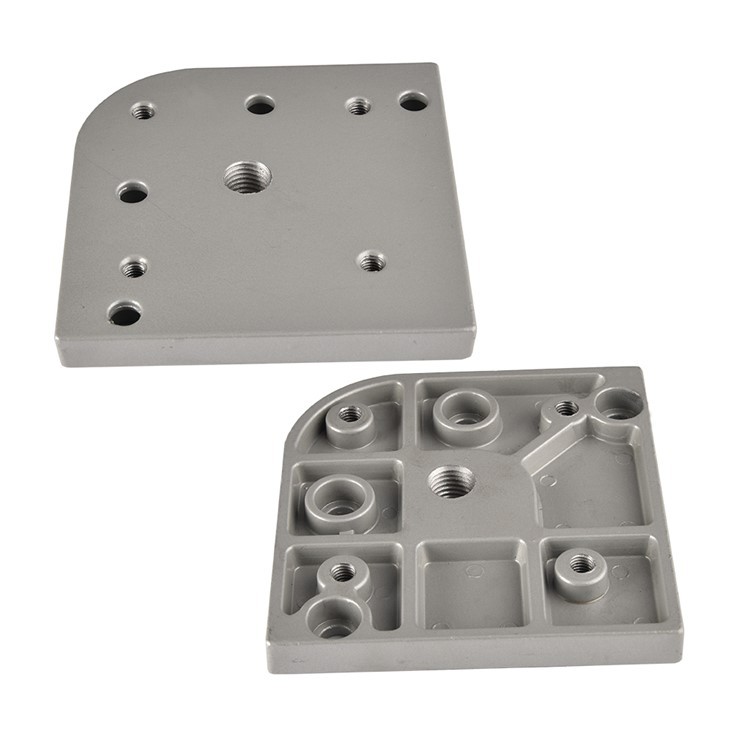
In conclusion, the thermal conductivity of caster aluminum plates is an important property that can vary depending on factors like alloy composition, manufacturing process, and temperature. Aluminum is generally a good conductor of heat, and while it might not be as good as copper, it offers a great balance of performance and cost. If you're looking for high-quality caster aluminum plates with the right thermal conductivity for your application, we'd love to hear from you.
References
"Thermal Conductivity of Metals and Alloys" - Handbook of Thermal Conductivity
"Aluminum Alloys: Properties and Applications" - Journal of Materials Science