Welcome to DEXUAN
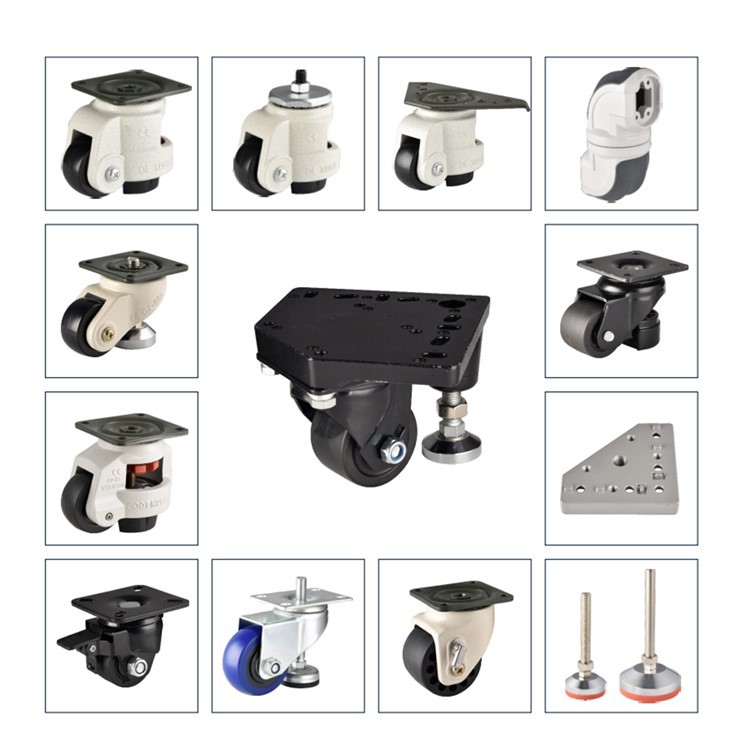
Foot Master Casters
- Hot Tags: foot master casters, China foot master casters manufacturers, suppliers, factory, Foot Master Casters, Foot Master Adjustable Caster, Foot Master Caster, Foot Master Caster Wheel, FOOT MASTER Leveling Casters, Small Caster
Features
Your Professional Foot Master Casters Manufacturer
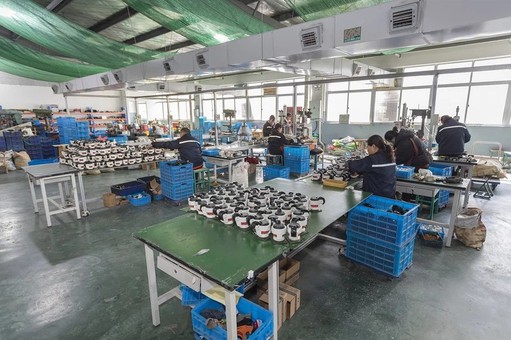
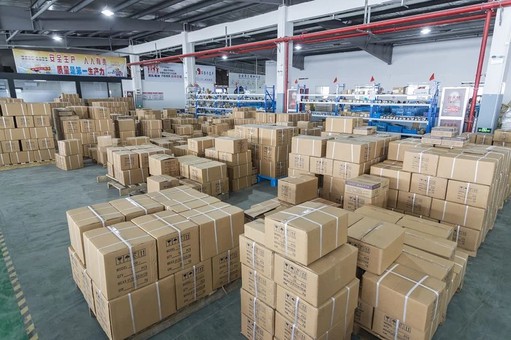
Taizhou Qifeng Machinery Co., Ltd. was founded in 2018 and covers an area of more than 2,000 square meters, with an annual transaction volume of more than 20 million, and exports to Europe, America, Vietnam, Thailand and other countries. We are a production enterprise integrating professional research, design and development, focusing on manufacturing high-quality caster products.
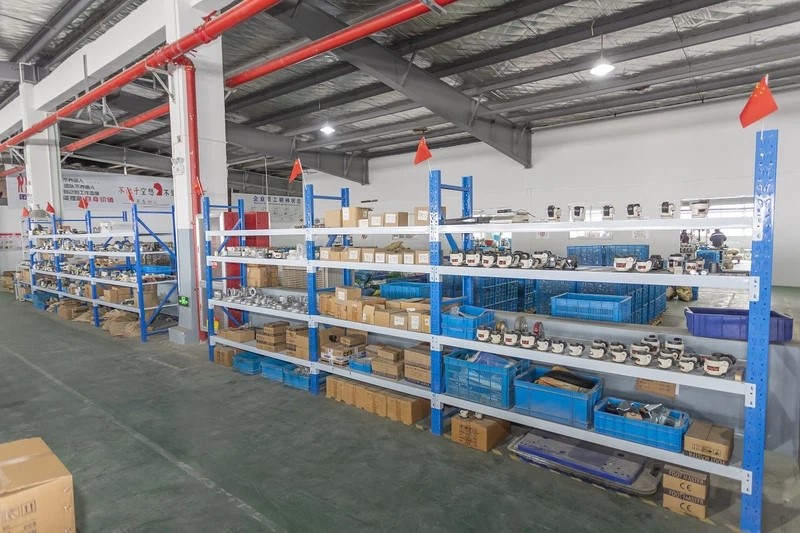
Wide Range of Applications
Our casters are widely used in electronics, automobiles, industry, medical, warehousing, logistics and other fields.
Wide Range of Products
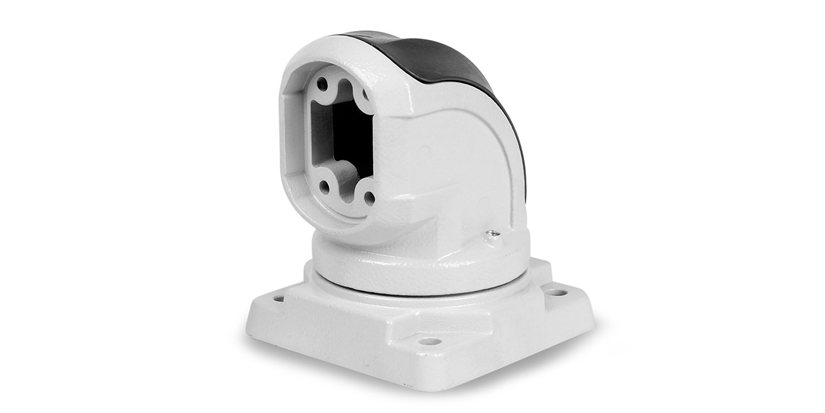
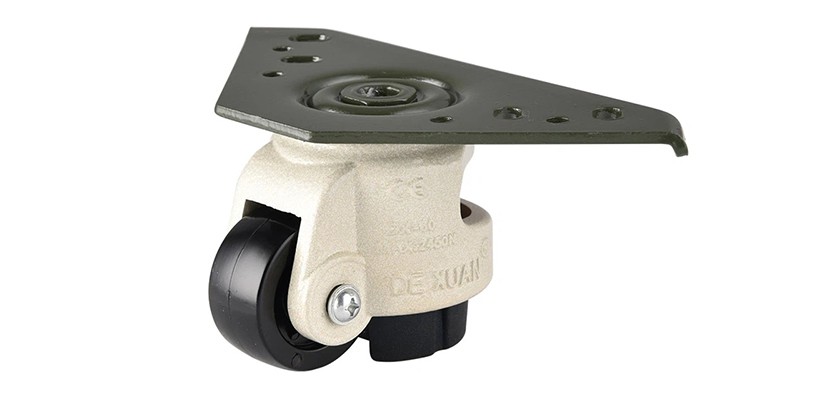
We have cantilever components, level adjustment casters, Japanese heavy-duty low center of gravity casters, cup foot lifting wheels, Fuma wheels, plastic trolleys, etc.
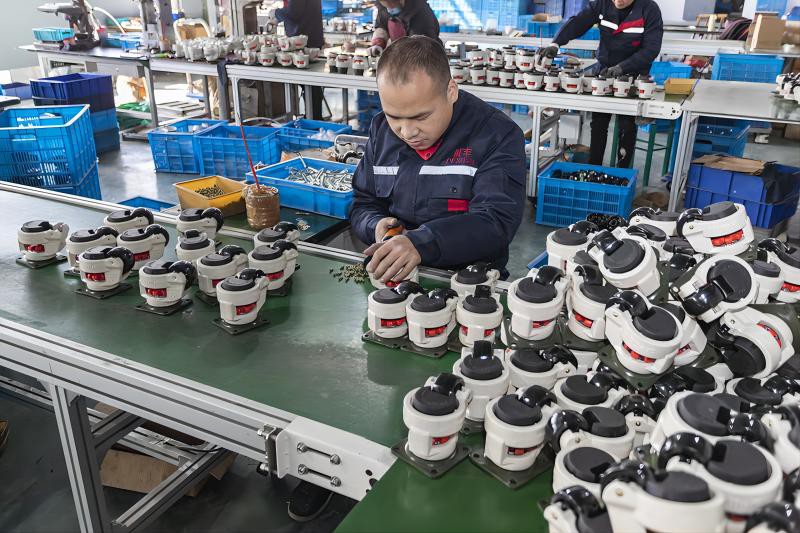 Competitive Price
Most raw materials are made by ourselves, It greatly reduces the cost and shortens the lead time.
24H Online Service
Our customer service representatives are available 24/7 to assist you with any inquiries, technical issues, or after-sales services.
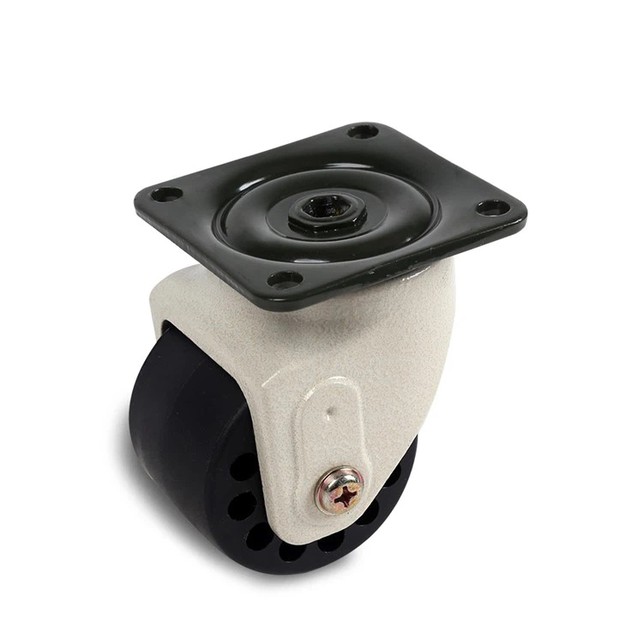
What Is Foot Master Casters?
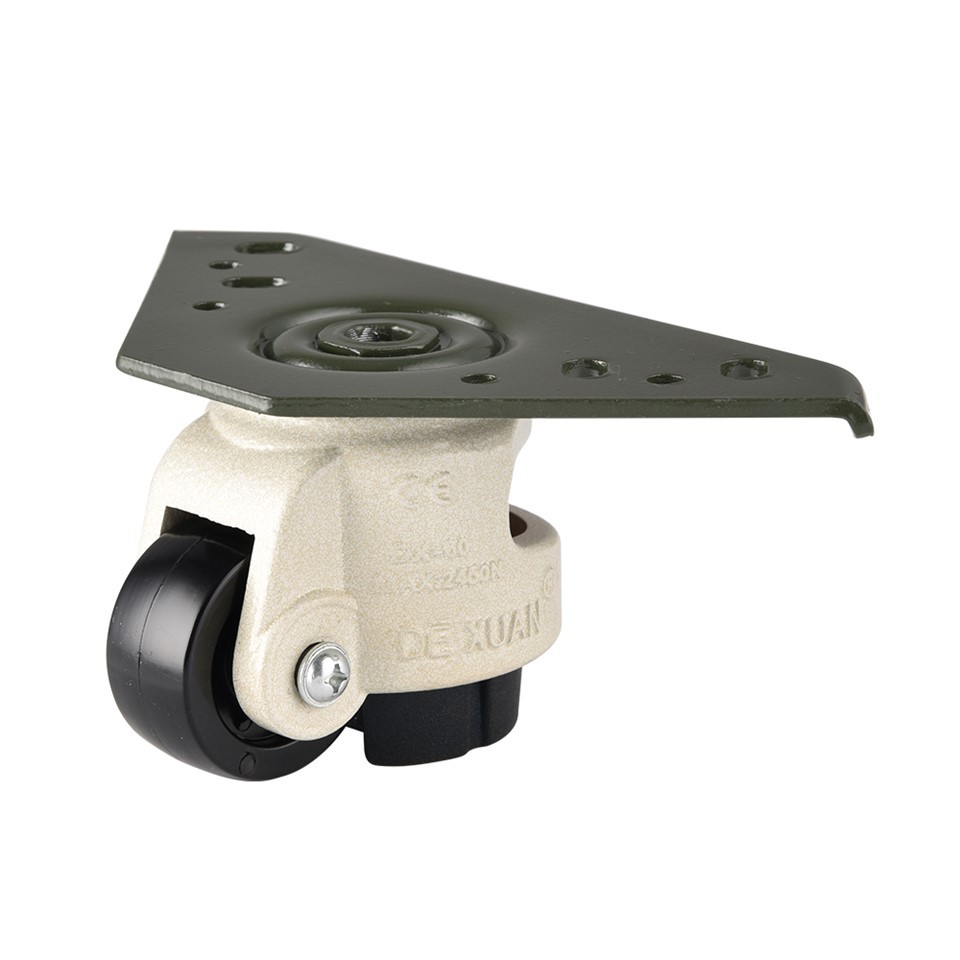
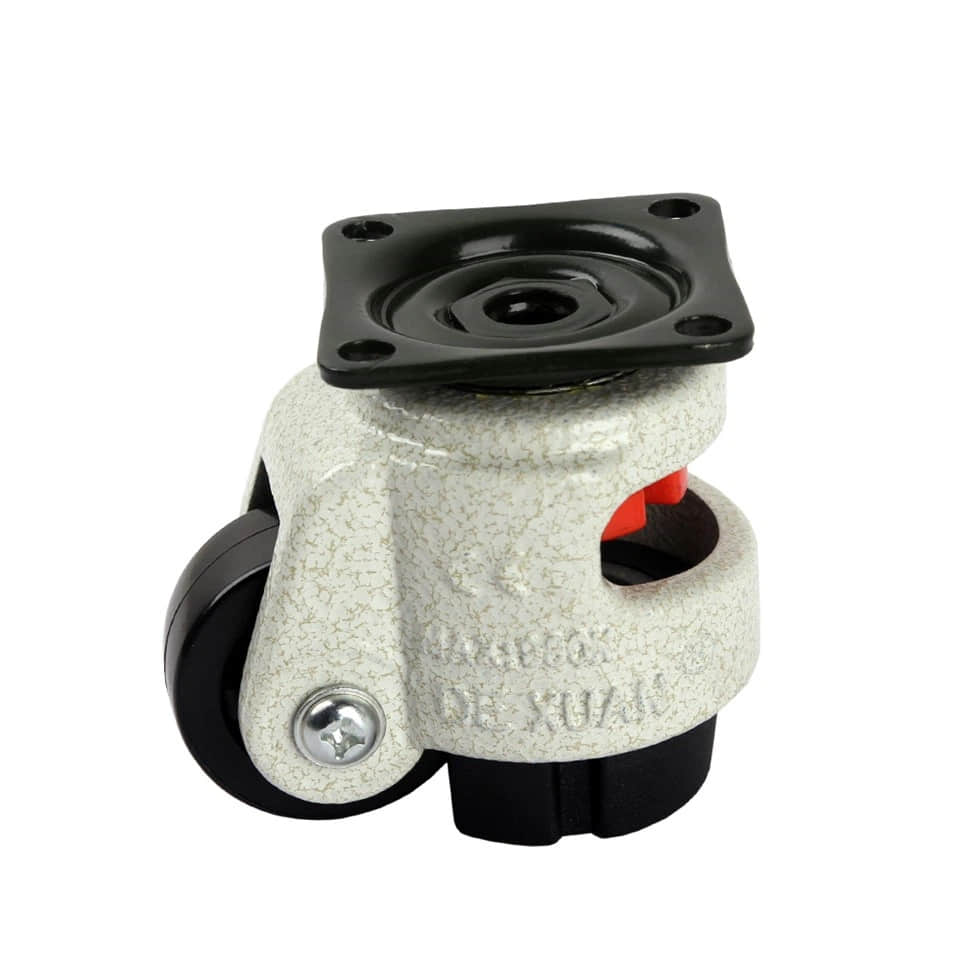
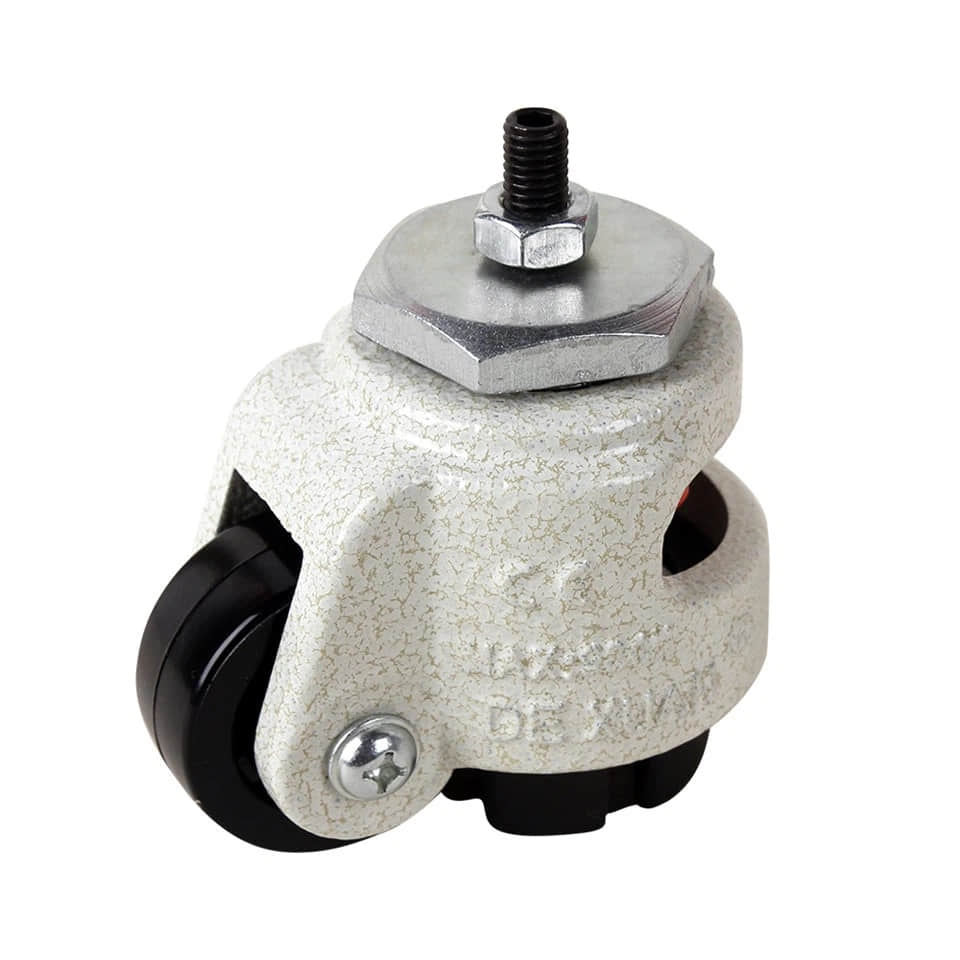
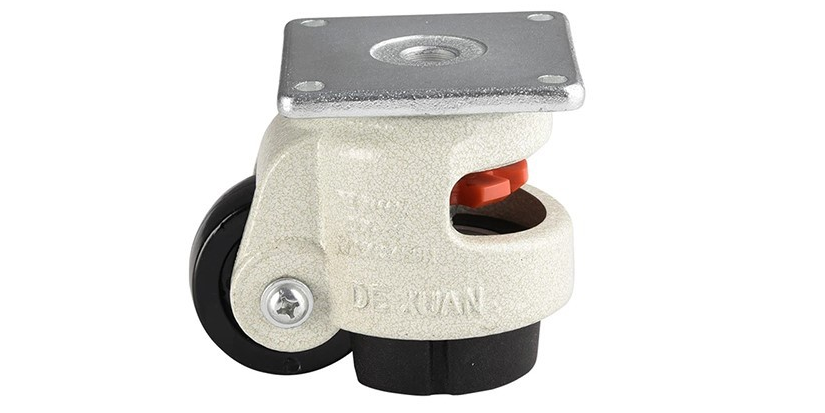
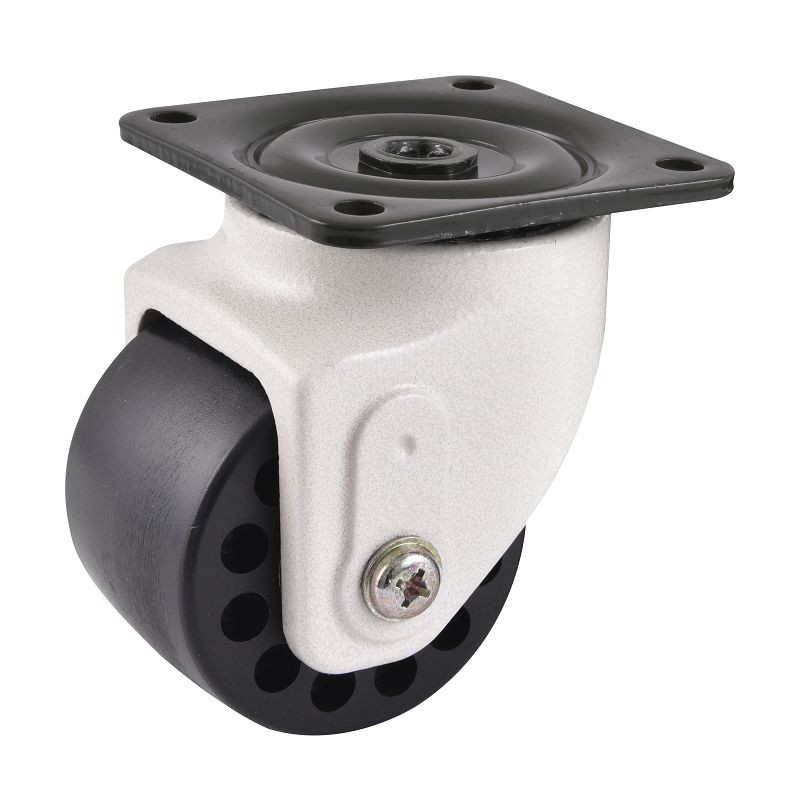
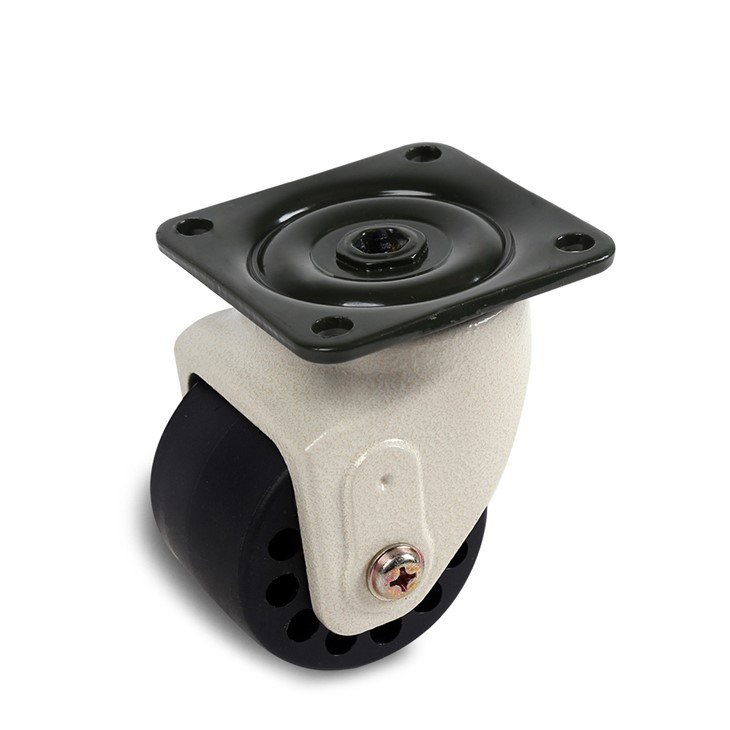
Foot Master Casters are high-quality casters used for moving medium and heavy-duty items. Compared with ordinary casters, the wheels of Foot Masterc casters are made of more wear-resistant materials, and the bearings are also more durable than ordinary casters. In addition, the production process of Foot Master casters is also more refined and the design pays more attention to details to ensure its stability and durability during use..
Parameter
Model | GXB - 60 | GXB - 75 |
Wheel Material | Nylon | Nylon |
Installation Height | 89mm | 108mm |
Wheel Diameter | 60mm | 75mm |
Wheel Width | 55mm | 56mm |
Bottom Plate Size | 90*90mm | 90*90mm |
Screw Hole | 8.5mm | 8.5mm |
Hole Spacing | 70*70mm | 70*70mm |
Single Load | 600kg | 700kg |
Advantages of Foot Master Casters
Mobility
The wheels themselves have the function of turning and moving, and Foot Master casters are no exception. Equipment using Foot Master casters can be easily moved to where it is needed.
Carrying Capacity
The use of Foot Master casters can reduce the vibration load and impact compound generated during the movement of the equipment, thereby protecting the equipment.
Temperature Difference Resistance
Foot Master casters have little effect on the location and temperature of use. Even in subzero or very high temperatures, it can be moved easily.
Moisture Resistance
Use Foot Master casters to keep the distance between the machine and the ground, prevent moisture and moisture, and increase the use time of the machine.
Corrosion Resistance
Foot Master casters can resist damage to casters such as high temperature and chemical corrosion, ensuring their stability and durability in extreme environments.
Reduce Labor Intensity
The use of Foot Master casters can reduce labor intensity and make the original heavy lifting work easier and more convenient.
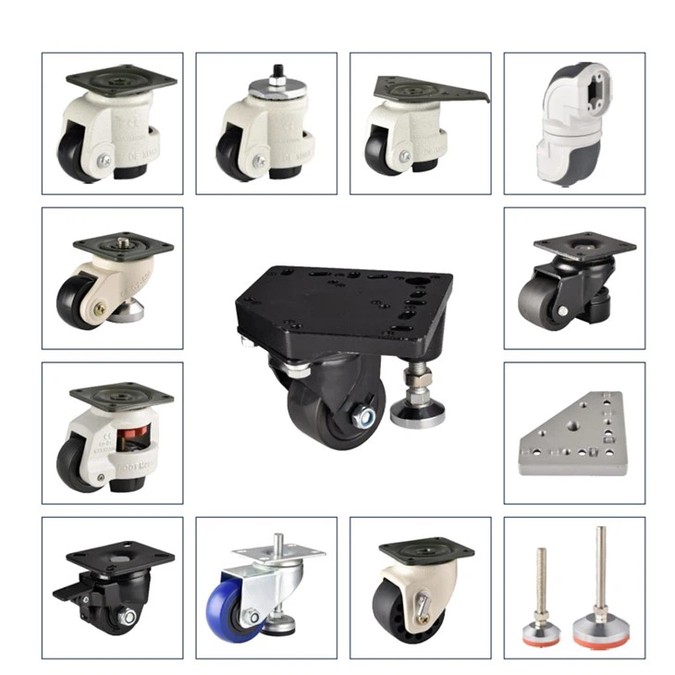
Foot Master Casters: Everything You Need to Know!
Foot Master casters are unique leveling castors that combine a rubber wheel and an anti-vibration rubber foot in one handy small unit. These casters have a die-cast aluminum frame, which is lightweight but sturdy. Its features include top plate leveling casters and threaded rod casters with ratchet type leveling capabilities, or leveling knob type leveling casters with rear, front, or side channels.
The Difference Between Foot Master Casters and Swivel Casters
1. Structure and Function:
Swivel casters usually use spherical axles, which can move in all directions, providing good flexibility and control capabilities, and are suitable for scenarios that require multi-directional movement, such as autonomous navigation vehicles, intelligent warehousing robots, etc.
The main wheels of Foot Master Casters are connected to the small wheels on both sides. The small wheels are used to support the weight of the car body, while the main wheels can slide up and down. This makes the Foot Master Casters have good climbing ability and passability and are suitable for uneven terrain. Terrain, such as off-road robots, mining robots, etc.
2. Applicable Scenarios:
Due to its flexibility, swivel casters are widely used in situations where rapid steering and control are required.
Foot Master Casters are more commonly used in equipment and situations that require good obstacle avoidance capabilities, especially those robots that need to work on uneven ground.
3. Advantages:
The advantages of swivel casters include high flexibility and controllability, but there are also problems such as high manufacturing cost, susceptibility to external interference, and difficulty in precision control.
The advantages of Foot Master Casters are reliability and smooth rolling experience, although the structure is more complex and the processing cost is higher, it is necessary in some applications.
4. Manufacturing Technology and Application Scope:
The manufacturing of swivel casters involves complex machining, precision measurement and quality control techniques, resulting in higher costs.
The technical requirements for Foot Master Casters are relatively low. The manufacturing process can be carried out through a variety of processes such as die-casting, spraying, plastic molding, etc. There are various production methods on the market.
5. Other Uses:
Foot Master Casters are also used as steering and moving parts for furniture, trolleys, and shopping carts, and as shock-absorbing tire components for some specialty vehicles.
How Foot Master Casters Work?
1
Carrying and Transmitting Power
The main function of Foot Master Casters is to provide mobility capabilities to the device. When the equipment needs to be moved, the casters carry the weight of the equipment and transfer the gravity of the equipment to the ground. Through the rolling action of the bearings, the casters can easily roll on various floors, thereby realizing convenient movement of the equipment.
2
Adapt to Different Ground Conditions
Foot Master Casters are made of high-quality rubber or polyurethane material for good elasticity and adaptability. Whether on flat concrete floors, bumpy dirt roads or slippery oily roads, Foot Master Casters can adaptively adjust the rolling state to ensure stable movement of the equipment.
3
Reduce Friction and Wear
Foot Master Casters have a low rolling friction coefficient, which can effectively reduce frictional resistance when the equipment moves. This not only helps save the effort required to push the equipment but also reduces wear on the casters and the ground, extending service life.
4
Height Adjustable and Locking Function
Foot Master Casters usually come with a height-adjustable stand that allows the user to adjust the height of the casters according to the needs of the equipment. At the same time, some Fuma casters also have a locking function. When the equipment needs to be fixed in position, the user can easily lock the casters to prevent the equipment from moving randomly.
|  |  |
Selection and Installation Points
Matching Load-Bearing Capacity
When selecting casters, the appropriate load-bearing capacity should be selected based on the weight of the equipment and the characteristics of the ground. It is generally recommended to retain a certain safety margin to deal with emergencies and the impact of long-term use.
view more
Installation Location
The casters should be installed at the four corners or supporting parts of the equipment to achieve overall balance and stability.
view more
Installation Adjustment
After installation, initial adjustments are required to make the equipment level. By rotating the adjustment screw, gradually adjust the height difference between the casters and the ground until the device is supported stably.
view more
Contact now
FAQ
Q: What are the applications of the caster wheel?
A: Casters are used in numerous applications, including shopping carts, office chairs, toy wagons, hospital beds, and material handling equipment. High-capacity, heavy-duty casters are used in many industrial applications, such as platform trucks, carts, assemblies, and tow lines in plants.
Q: What are castors used for?
A: A caster is a non-powered wheel that is designed to be fitted to the bottom of a bigger object and used to move it. Caster wheels are attached to the base of the device moving equipment and bringing about the mobility of those objects. They enable the movement of heavy objects with less force being applied.
Q: Why are castor wheels used?
A: Most castors are used simply to make a heavy piece of furniture or machinery - the 'vehicle' - easier to move. Affixing small, unobtrusive wheels to the bottom of any large or bulky item is a great way to make it more mobile in certain scenarios.
Q: Why is a castor wheel necessary?
A: Many castors can support a large amount of weight, making them ideal for heavier pieces of furniture. In addition, the smooth surface of the wheels prevents scratches and scuffs on the flooring. As a result, castor wheels are an ideal solution for furniture that needs to be moved frequently.
Q: What is the difference between wheels and castors?
A: The wheel is limited in that it only spins on a single axis. It can only roll in one direction at a time. Casters incorporate wheels into their designs, but they are a bit more sophisticated. A caster includes the mounting system that holds the wheel in place.
Q: What is a caster in construction?
A: A caster (also castor according to some dictionaries) is a wheeled device typically mounted to a larger object that enables relatively easy rolling movement of the object. Casters are essentially special housings that include a wheel, facilitating the installation of wheels on objects.
Q: What is the best caster for rough surfaces?
A: POLYURETHANE ON CAST IRON CASTER WHEELS
Polyurethane wheels possess unmatched durability by rubber tread wheels and are engineered to withstand permanent flat spots in the tread, which provides a smooth ride over rough surfaces. Polyurethane resists most chemicals, and oils and rejects floor debris.
Polyurethane wheels possess unmatched durability by rubber tread wheels and are engineered to withstand permanent flat spots in the tread, which provides a smooth ride over rough surfaces. Polyurethane resists most chemicals, and oils and rejects floor debris.
Q: What type of caster should I use?
A: If you only need to go up and down a hallway, rigid casters are most likely all you need. However, if you need to maneuver a cart or piece of equipment in a tight space, a swivel caster is likely the better option for you.
Q: What is the most durable caster material?
A: Polyurethane is a highly versatile material with excellent durability, making it suitable for various applications. These caster wheels are resistant to abrasion, chemicals, and oil, making them an ideal choice for commercial and industrial environments.
Q: What is the best material for heavy-duty casters?
A: For heavy applications metal wheels, including steel and cast iron, are one of the most popular options. They provide easy rolling but do not offer floor protection on soft flooring. Load capacities can be very high with these wheels.
Q: How much height do casters add?
A: If adding a medium-sized caster (two inches in diameter), that adds about 2-1/4 inches to the height of your desk. If your desk initially had a height range of 27 to 47 inches, the addition of the caster makes the range 29-1/4 to 49-1/4 inches.
Q: Are bigger caster wheels better?
A: Larger casters and wheels are ideal for uneven surfaces, softer surfaces, and surfaces where debris is present. Conversely, smaller wheels and casters have the advantage when a little resistance is in order.
Q: What is the problem with caster wheels?
A: Catastrophic failures can occur due to caster overheating, damage to the caster wheel hub, or damage to the bearings. Understanding the speed at which the caster will be used in its intended application will help you choose the right caster.
Q: What is the difference between glides and casters?
A: Essentially, castors are wheels that are fixed to the bottom of a chair's legs to help it move around. On the other hand, gliders are metal or plastic discs fixed to the bottom of a chair's legs. These are meant to help a chair 'glide' across the floor.
Q: How do you lubricate caster wheels?
A: Lubricate: Spray lubricant onto every moving part of the caster. Brush: Use a toothbrush or toothpick to reach the nooks and crannies. Wipe: Wipe away any excess lubricant with a separate clean, soft cloth.
Q: What material is best for caster wheels?
A: For caster wheels, rubber boasts excellent longevity owing to its ability to compress and bend. The elasticity also makes rubber easier on floors. The elasticity of rubber caster wheels also provides decent load-bearing capacities.
Q: What is the best steel for casters?
A: Stainless steel casters
Stainless steel casters are ideal for hash environments that expose casters to water, chemicals and other agents that cause rust and corrosion. These environments include the food service and hospitality industries, where carts are regularly washed down. Marine environments, where casters are exposed to salt water.
Stainless steel casters are ideal for hash environments that expose casters to water, chemicals and other agents that cause rust and corrosion. These environments include the food service and hospitality industries, where carts are regularly washed down. Marine environments, where casters are exposed to salt water.
Q: What type of casters are best for a workbench?
A: Swivel: Swivel casters allow the wheel to rotate 360 degrees, making it easy to move the workbench in any direction. It can also be helpful to have at least two swivel casters on each corner of the workbench so that it can be easily maneuvered around tight spaces.
Q: What are soft casters made of?
A: Soft casters are casters with wheels made from softer materials, such as rubber or plastic. These are also called soft tread casters since they have soft or cushioned treads covering the wheel, similar to the wheels of a car. The wheel materials are often made from rubber, plastic, polyurethane, or nylon.
Q: What is the purpose of smaller diameter casters?
A: A narrow caster will decrease rolling resistance and are ideal for smooth surfaces. Meanwhile, a wider caster will increase the rolling resistance due to the surface area and friction involved while propelling.