Welcome to DEXUAN
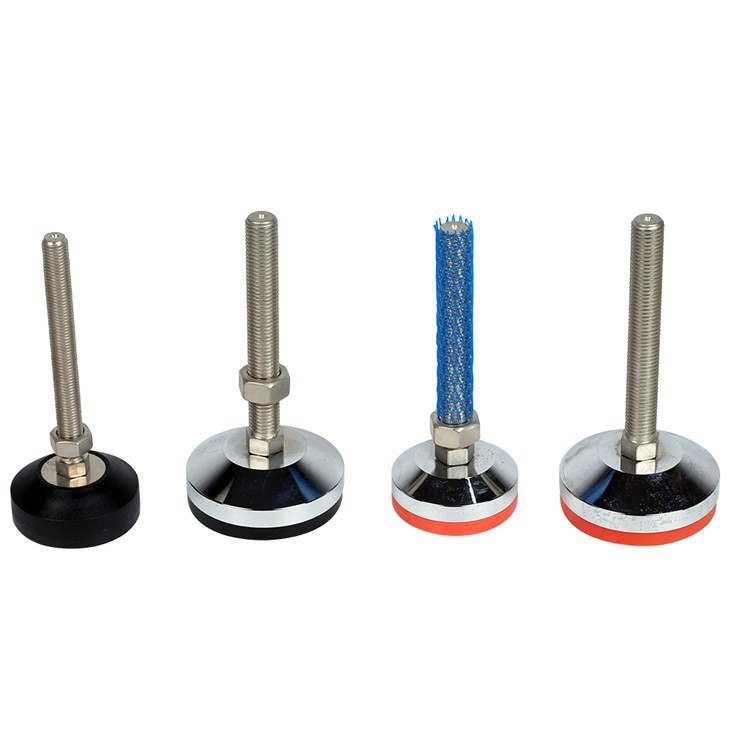
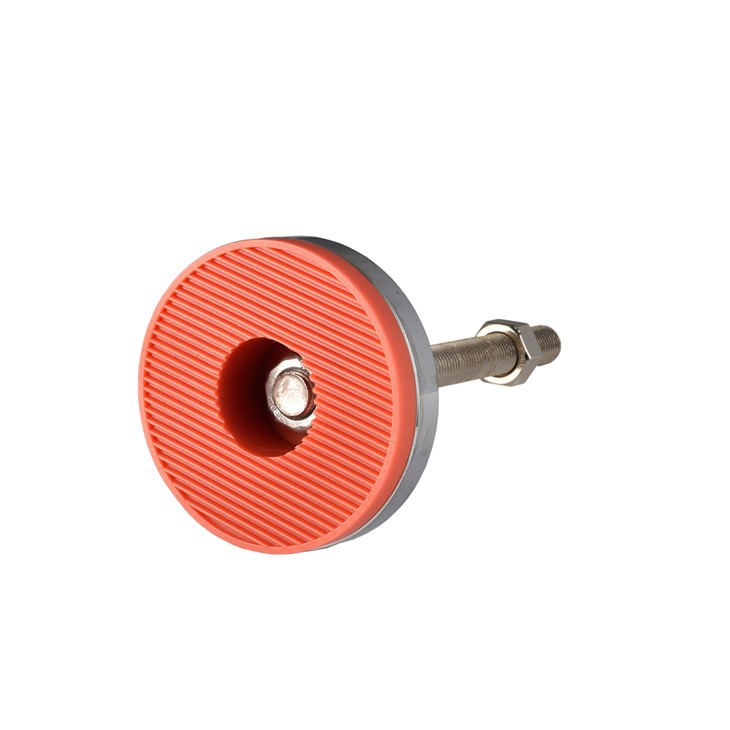
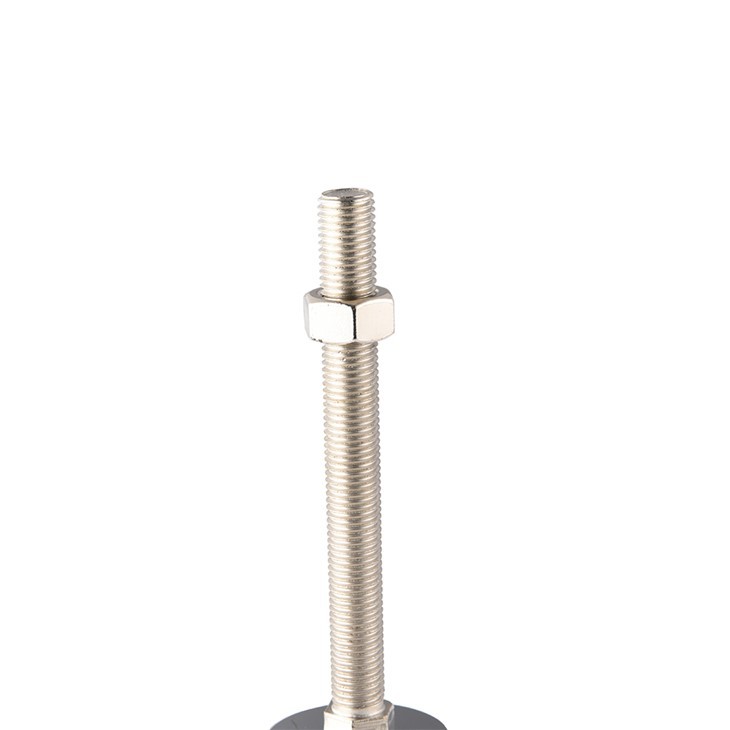
Industrial Machine Leveling Feet
- Q: Can leveling feet be used on electrical or electronic equipment? A: Leveling feet can be used on electrical or electronic equipment as long as the installation does not interfere with any sensitive components or create electrical hazards.
Features
Your Leading Industrial Machine Leveling Feet Supplier
Taizhou Qifeng Machinery Co., Ltd. was founded in 2018 and covers an area of more than 2,000 square meters, with an annual transaction volume of more than 20 million, and exports to Europe, America, Vietnam, Thailand and other countries. We are a production enterprise integrating professional research, design and development, focusing on manufacturing high-quality caster products.
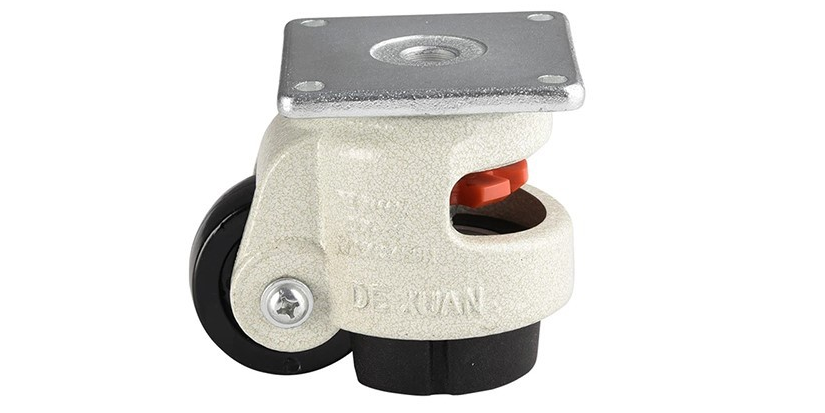
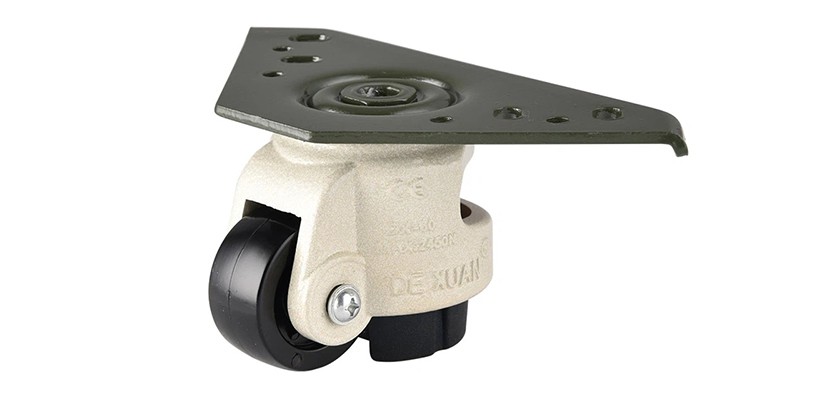
Wide Range of Applications Our casters are widely used in electronics, automobiles, industry, medical, warehousing, logistics and other fields. | Wide Range of Products We have cantilever components, level adjustment casters, Japanese heavy-duty low center of gravity casters, cup foot lifting wheels, Fuma wheels, plastic trolleys, etc. | Competitive Price Most raw materials are made by ourselves, It greatly reduces the cost and shortens the lead time. | 24H Online Service Our customer service representatives are available 24/7 to assist you with any inquiries, technical issues, or after-sales services. |
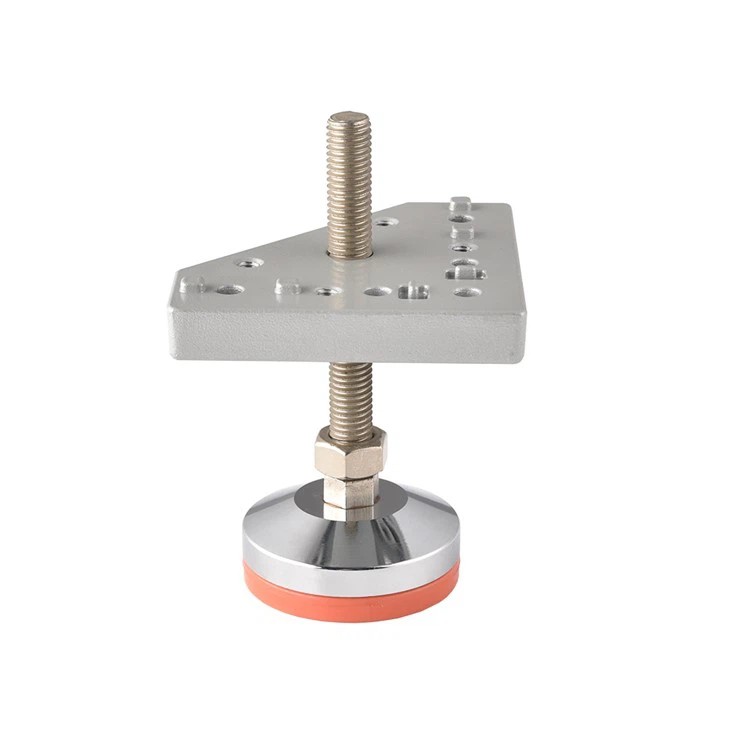 What Is Industrial Machine Leveling Feet?
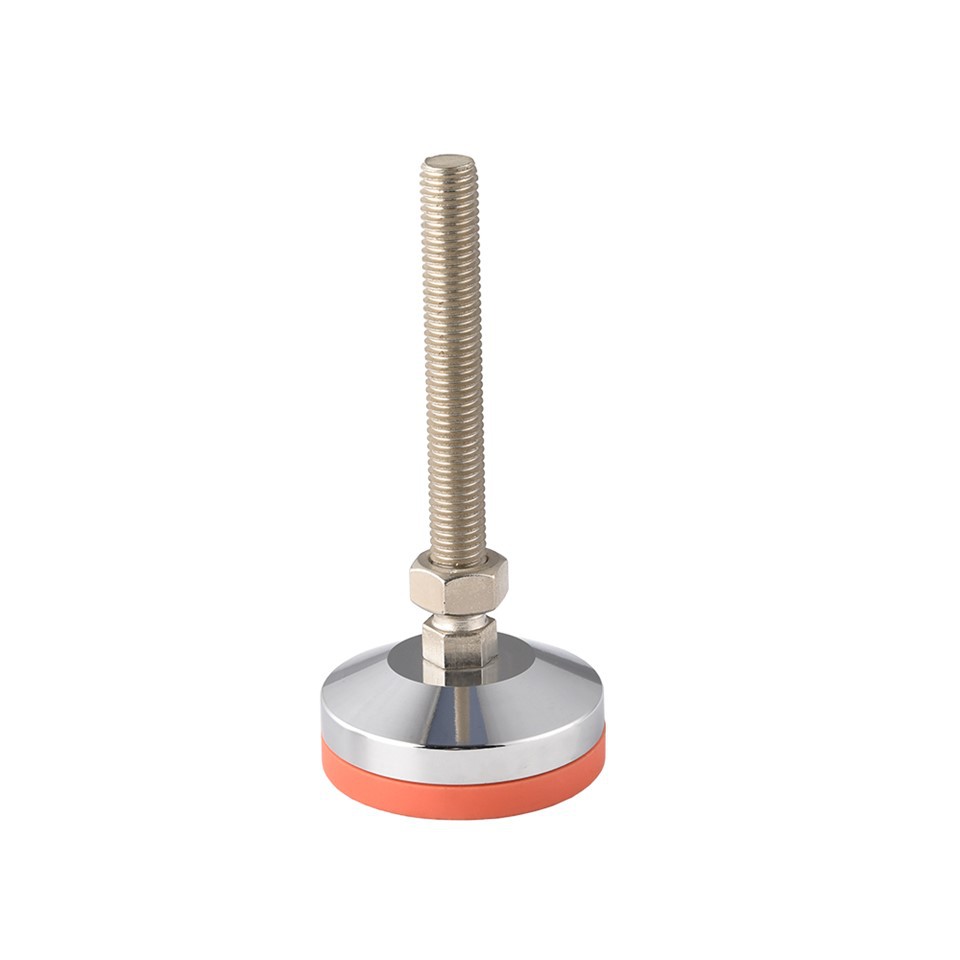
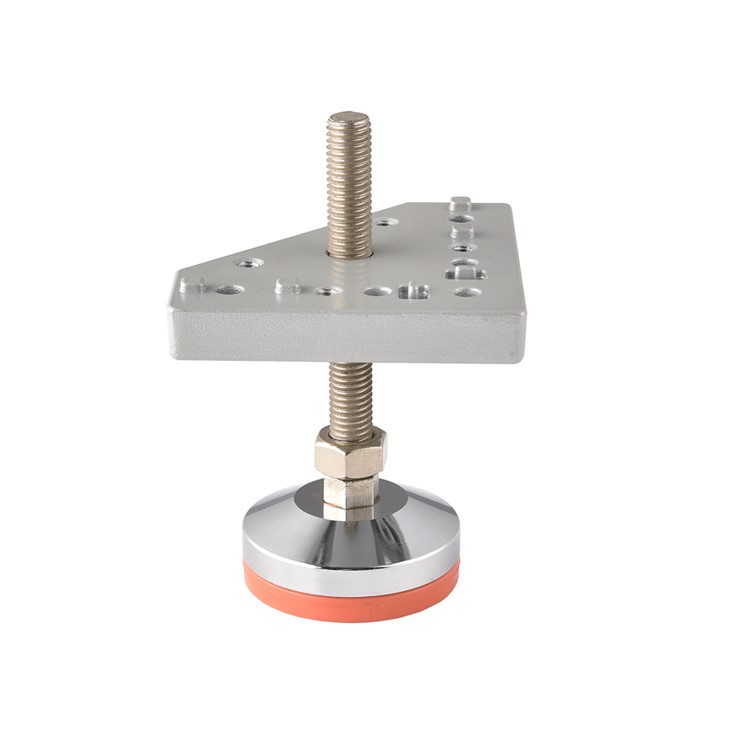
Industrial machine leveling feet, also known as machine mounts or vibration isolation mounts, are devices used to provide stability and balance to heavy machinery and equipment. These feet are typically made of materials such as steel, rubber, or polyurethane and are designed to withstand the weight and vibrations generated by industrial machines.
Parameter
Pad Diameter | Thread | Thread Length | Load capacity(kg/per pcs) |
60 | M12 M14 | 50 | 700 |
100 | |||
150 | |||
80 | M16 M20 M24 | 50 | 1000 |
100 | 2000 | ||
150 | 2500 | ||
100 | M16 M20 M24 | 50 | 1500 |
100 | 2500 | ||
150 | 3000 | ||
200 | 3000 |
Advantages of Industrial Machine Leveling Feet
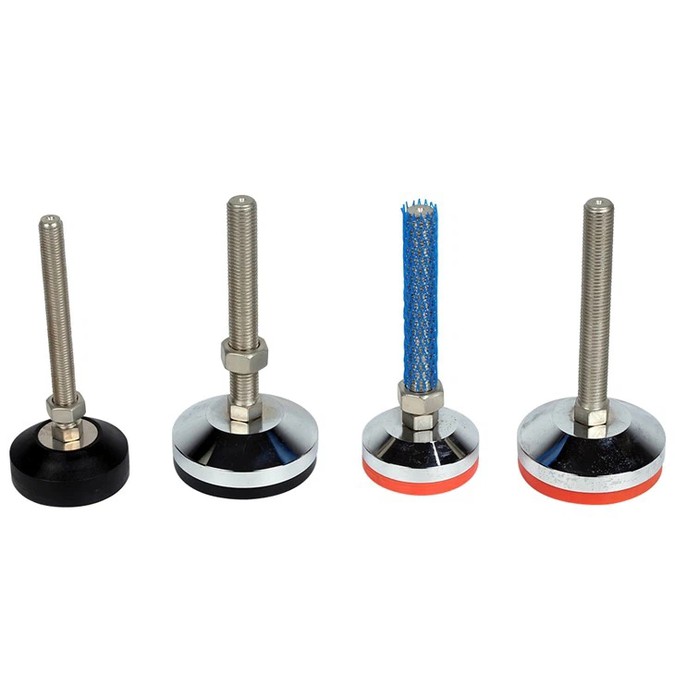 Industrial Machine Leveling Feet: Everything You Need to Know!
The main purpose of leveling feet is to ensure that machines are properly aligned and positioned on the floor. They help to distribute the weight evenly, preventing any tilting or movement that could affect the machine's performance or cause damage. Machine leveling feet also help to minimize vibrations and reduce noise transmission, improving the overall safety and efficiency of the equipment.
6 Common Types of Leveling Feet
Different Uses of Leveling Feet
When Raising a Piece of Furniture
One of the most popular uses of this type of foot is to lift a piece of furniture. The longer the thread size, the more height you can add by screwing/unscrewing to the required height. Most feet provide stability even on the longest thread sizes to prevent wobbling.
To Level an Object
In addition to being able to add height to an object, specific types of adjustable feet are designed specifically for use in leveling. These include articulated and tilted feet. This design is recommended for uneven floors or applications with different height levels.
To Reduce Vibration and Noise
When looking to reduce the vibrations and noise experienced by a foot, these products are ideal. They allow a greater distance between the ground and the object in question, which reduces vibrations and general noise that might otherwise have prevailed.
When Frequent Height Adjustment is Required
Another common use for leveling feet includes their use as height adjusters. This allows you to raise or lower an object according to your needs. This is frequently seen in portable racks and stalls, where they are periodically adjusted to suit daily needs.
How to Measure Leveling Feet
Your first concern when choosing leveling feet is that don't collapse under the weight of your application. The shaft's thread length is important for height adjustment, while the shaft's thread size helps to support the weight of the application that you're leveling. You need to take some measurements first.
1. Base Diameter: The base must be large enough to support and stabilize the weight of your application. You'll therefore need the foot's base diameter.
2. Thread Length: Thread length is important for adjustable leveling feet to enable height adjustment and easy installation. The thread length is the distance between the stud and the bolt. The distance between the stud and bolt. The stud is the shaft itself, while the bolt is located where the thread joins the base.
3. Thread Size: Thread size will also support the weight of your application. You'll need to know this to ensure thread compatibility so that the thread matches the type that it will be screwed into. Simply measure the diameter across the thread.
FAQ
Q: What are leveling feet?
A: Leveling feet are used to level and stabilize different types of machinery and equipment, especially on uneven surfaces. Utilizing heavy-duty leveling feet prevents sliding, tipping, vibration, and wear, extending the life of your machinery and improving the safety of your equipment.
Q: What is a level foot?
A: A leveling foot is simply a device that allows adjustment of a machine to ensure it is level if the floor is not. Most folks don't know what a leveling foot is until they have to adjust one because their appliance doesn't sit straight.
Q: How much weight can leveling feet hold?
A: Choosing a certain style of adjustable leveling feet isn't enough. You need to narrow down your search by checking to see which ones can carry the required weight amount. Some designs can carry a maximum of 50 lbs. while others are well-suited for larger machines that weigh close to 15 tons.
Q: What are leveling feet in the washing machine?
A: For the best wash performance, it is important to adjust all four leveling legs until your washer is level left-to-right and front-to-back. When the washer is properly leveled, it should not rock at all when it is not running.
Q: What are adjustable feet?
A: Adjustable feet are used for leveling and supporting structures, machinery, furniture and display stands that require vertical adjustments to function correctly. Adjustable feet come in various base sizes and thread sizes to suit different applications.
Q: What is a leveling mount?
A: Leveling mounts are designed to create a level surface for operating a machine or handling a workpiece. Typically, they consist of a stable base made from stainless steel, neoprene, or other rigid materials. A shaft (also called a leveler) is attached to the base.
Q: How do you use stud leveling feet?
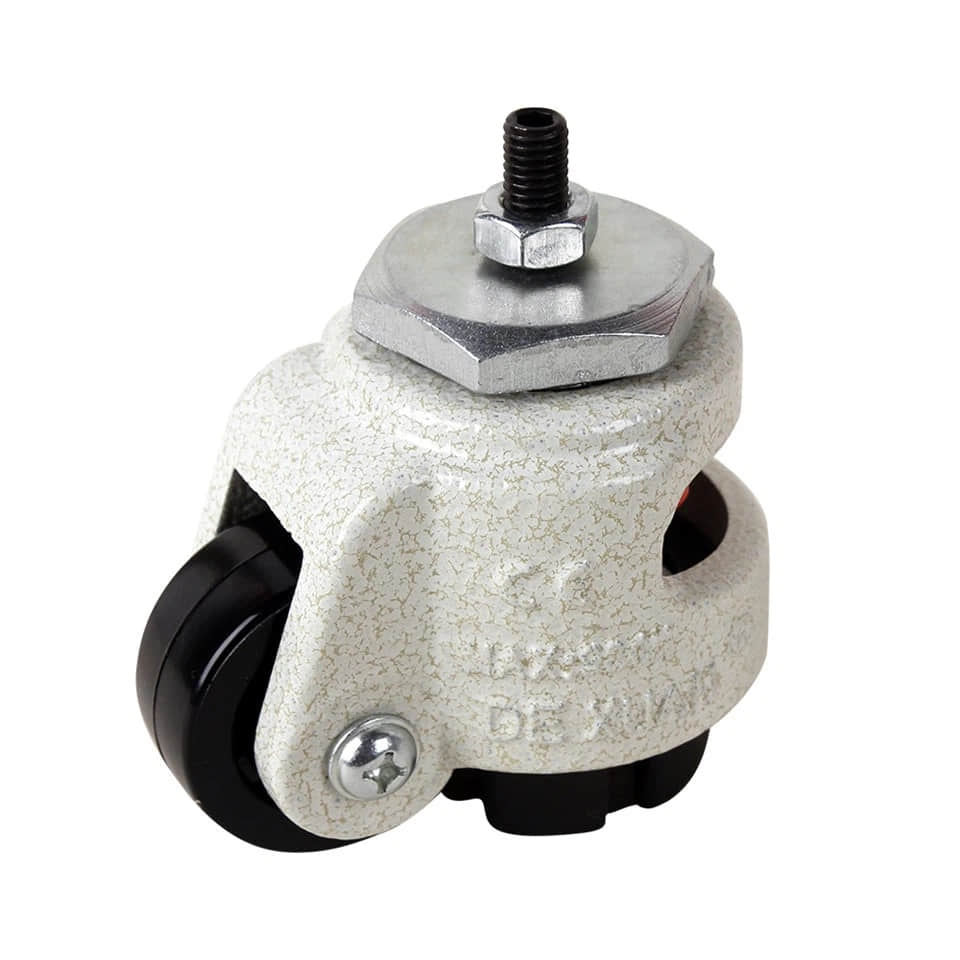
A: Stud leveling feet are easy to use. They have a threaded stud, which are essentially bolts. The bottom of your equipment or machinery will need threaded holes. Simply insert the stud into the hole and screw them in.
Q: How do leveling feet work?
A: Leveling feet have a threaded stud or bolt that extends from the bottom of the device. By rotating the foot, the length of the thread can be adjusted to raise or lower the level of the furniture or equipment.
Q: What are leveling feet made of?
A: Leveling feet are usually made of materials such as stainless steel, zinc-plated steel, or plastic. The choice of material depends on the specific application and required load-bearing capacity.
Q: Where can leveling feet be used?
A: Leveling feet are utilized in various applications such as furniture, appliances, industrial equipment, electronic equipment, laboratory equipment, medical equipment, and automotive. They ensure stability and proper alignment, preventing wobbling and vibration, and enhancing safety and performance. Whether it is a table, refrigerator, machinery, electronics enclosure, lab bench, hospital bed, or vehicle, leveling feet play a crucial role in maintaining stability and adjustability on uneven surfaces or terrains.
Q: Why are leveling feet important?
A: Leveling feet are important because they provide stability, distribute weight evenly, ensure proper alignment, enhance ergonomics, and allow for easy adjustments. They prevent wobbling, reduce strain on corners, optimize performance, promote safety, and enable comfortable use. Whether it's furniture, equipment, or structures, leveling feet play a crucial role in maintaining stability, load distribution, alignment, ergonomics, and ease of adjustment.
Q: Can leveling feet be adjusted after installation?
A: Yes, many types of leveling feet are designed to be adjustable even after installation. These feet often have mechanisms such as threaded stems or swivel bases that allow for easy fine-tuning of the height or angle of an object. This adjustability is particularly useful when dealing with uneven flooring or when the desired height or angle needs to be modified. By simply turning the threaded stem or adjusting the swivel base, the leveling feet can be adjusted to achieve the desired alignment and stability.
Q: Can leveling feet be used on carpeted floors?
A: Certain leveling feet come with additional components, such as glide pads or carpet spikes, specifically designed to adapt to different types of flooring, including carpeted floors.
Q: Are there different types of leveling feet available?
A: Yes, there are various types of leveling feet available, including fixed leveling feet, swivel leveling feet, articulated leveling feet, and vibration-damping leveling feet. The choice of type depends on the specific application and requirements.
Q: Can leveling feet be used on angled surfaces?
A: Yes, leveling feet can be used on angled surfaces. The adjustable nature of leveling feet allows them to compensate for uneven or sloped surfaces. By adjusting the height of each leveling foot, you can achieve a level and stable position even on angled surfaces. This is particularly useful in situations where the floor or ground may not be completely flat, such as in outdoor environments or on uneven industrial floors. Leveling feet with swivel or articulating bases are specially designed to adapt to angled surfaces and provide stability in such conditions.
Q: Can leveling feet be used on vibrating equipment?
A: Certain leveling feet are designed with built-in vibration-damping properties to reduce the transmission of vibrations from machinery or equipment. These vibration-damping leveling feet are suitable for use on vibrating equipment.
Q: Can leveling feet be used on uneven surfaces?
A: Yes, leveling feet are specifically designed to compensate for uneven surfaces. By adjusting the length of the thread, the feet can be extended or retracted to achieve a level position.
Q: Can leveling feet be used on moving equipment?
A: Leveling feet are generally not recommended for use on moving equipment. Instead, casters or wheels designed for mobility are more suitable for such applications.
Q: Can leveling feet be used on lightweight furniture or equipment?
A: Yes, leveling feet can be used on lightweight furniture or equipment as long as the weight capacity of the feet is not exceeded. It is important to select the appropriate leveling feet based on the specific weight requirements.
Q: Can leveling feet be used on electrical or electronic equipment?
A: Leveling feet can be used on electrical or electronic equipment as long as the installation does not interfere with any sensitive components or create electrical hazards.