Welcome to DEXUAN
How To Maintain Heavy-duty Casters in Daily Use
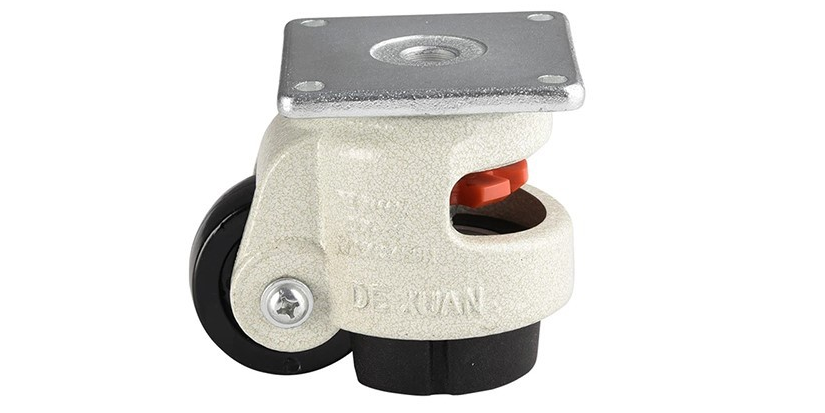
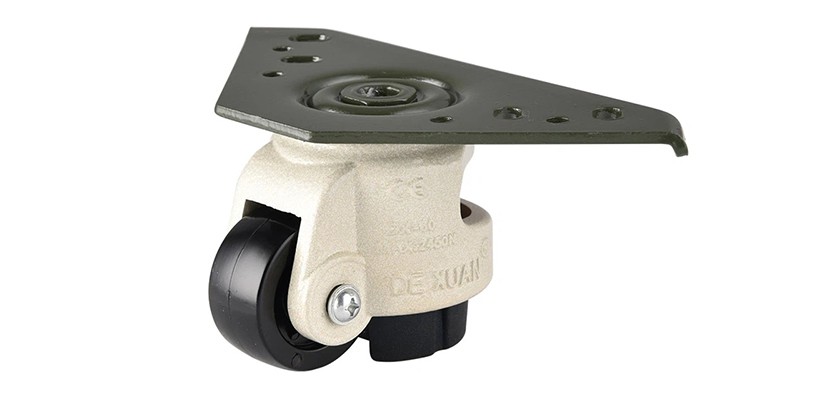
The existence of anything does not belong to a single existence, it is composed of many attachments; Universal casters play a crucial role in facilitating the movement of things. They are installed and used on industrial equipment, and these industrial equipment can perform better than themselves. Little does it know that universal casters only account for a small proportion of them. Of course, industrial equipment can perform excellently, and Houde casters, as a part of the composition, are also indispensable. So we can maintain heavy-duty casters in daily use through the following points.
1. Wheels
Visually inspect the wear of the wheels. The poor rotation of the wheels is related to debris such as thin red and ropes. The anti entanglement cover can block the entanglement of these debris. Excessive looseness or tightness of heavy casters is another factor, so replace damaged wheels/heavy casters to avoid unstable rotation. After inspecting and replacing the wheels, it is necessary to ensure that the axle is tightened with locking washers and nuts. Because a loose axle can cause friction and jamming between the wheel amplitude and the bracket. Replacement wheels and bearings should be available to avoid production downtime losses.
2. Heavy duty casters
If the active steering is too loose, it must be replaced immediately. If the heavy caster center rivet is fixed with a nut, it must be ensured that it is securely locked. If the movable steering cannot rotate freely, the ball should be checked for corrosion or dirt. If equipped with fixed heavy-duty casters, it is necessary to ensure that the heavy-duty casters bracket is free from bending.
3. Lubrication
Regular lubrication can ensure long-term use of wheels and movable bearings. Applying lubricating grease to the friction areas of the axle, sealing ring, and roller bearing can reduce friction and make rotation more flexible. Under normal circumstances, lubrication should be carried out every six months. The wheels of the car should be lubricated every month after cleaning.
4. Support and fasteners
Tighten the loose axle and nut and inspect the welds or support plates for damage. Overloading or impact can cause the bracket to twist. The twisted bracket causes heavy loads to tilt and press on individual wheels, resulting in premature damage to the wheels. If it is a plug-in type heavy-duty caster, the nut should be tightened or firmly riveted to ensure that the equipment installation bracket is not bent and the plug-in rod is installed correctly. When installing heavy-duty casters, lock nuts or anti loosening washers should be used. The installation of heavy-duty casters with expandable plug-in rods should ensure that the plug-in rods are firmly installed in the casing.
5. Overload
Overloading is the main reason for the short lifespan of heavy-duty casters; Overloading can cause deformation of the heavy-duty caster bracket, affecting the steel ball running track, and even causing the bracket to become overloaded, deform, contact, and jam the wheel, resulting in wheel deformation, fracture, and detachment. So try to avoid overloading the heavy casters and make sure to use them better within their acceptable range.
6. Using different wheels in different locations
Choose heavy-duty casters of different materials for different usage locations, with different materials having different physical and chemical properties. The materials of heavy-duty casters require different environments for use, and of course, the service life of heavy-duty casters also varies. To avoid such situations, it should be used according to the product instructions provided by the manufacturer.