Welcome to DEXUAN
Introduce The Structural Characteristics Of Casters From Seven Aspects
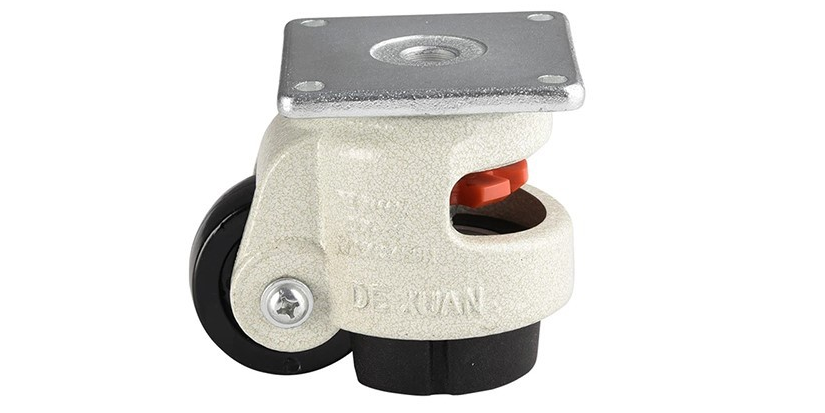
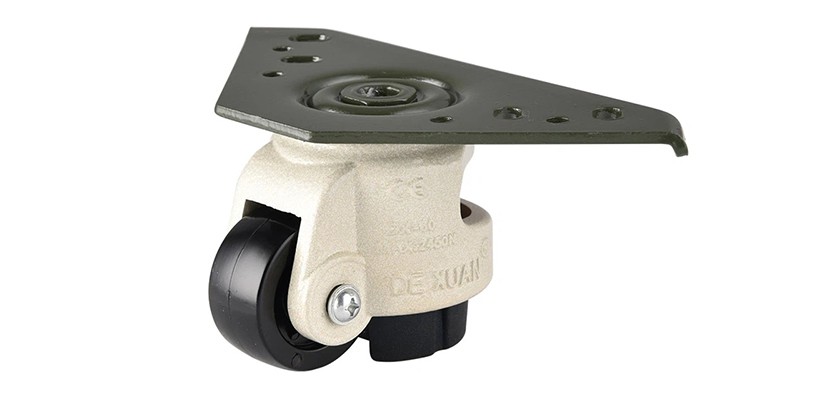
With the rise of the industrial revolution in modern times, more and more equipment needs to be moved, and casters have become more and more widely used, almost inseparable from various industries. So what are the structural characteristics of the casters? Below is a specific introduction from seven aspects.
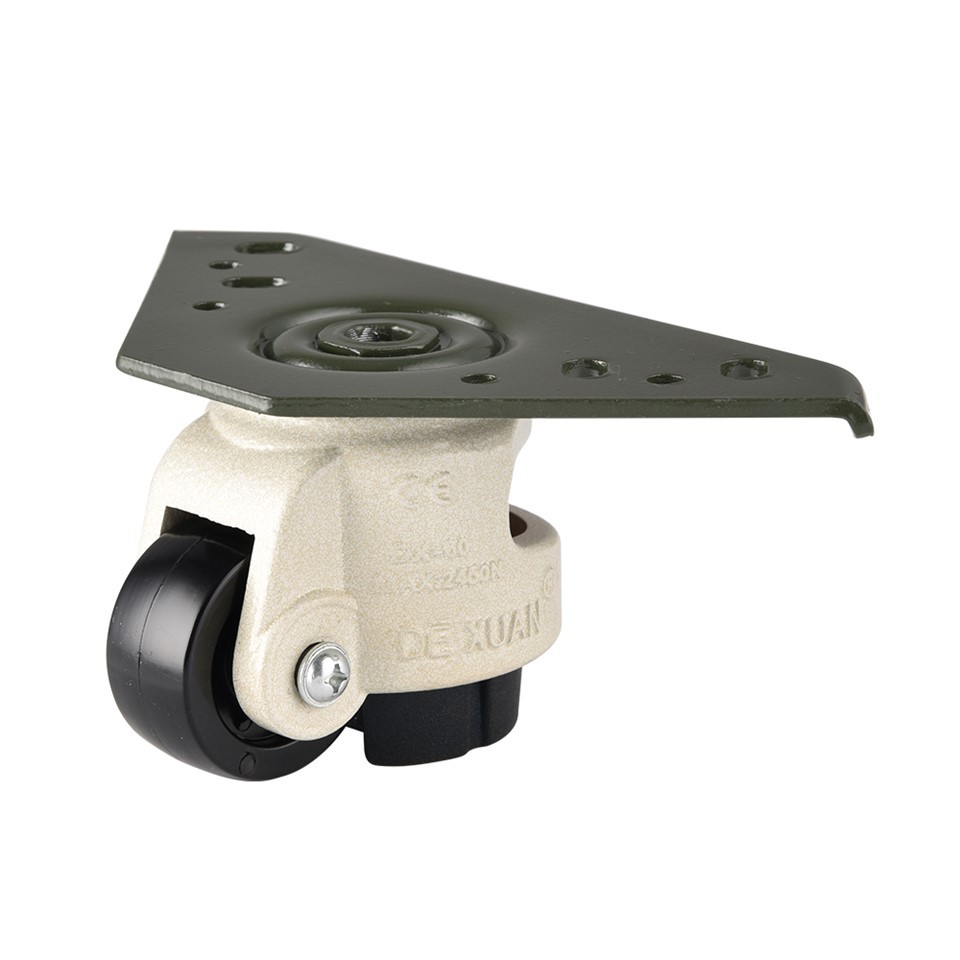
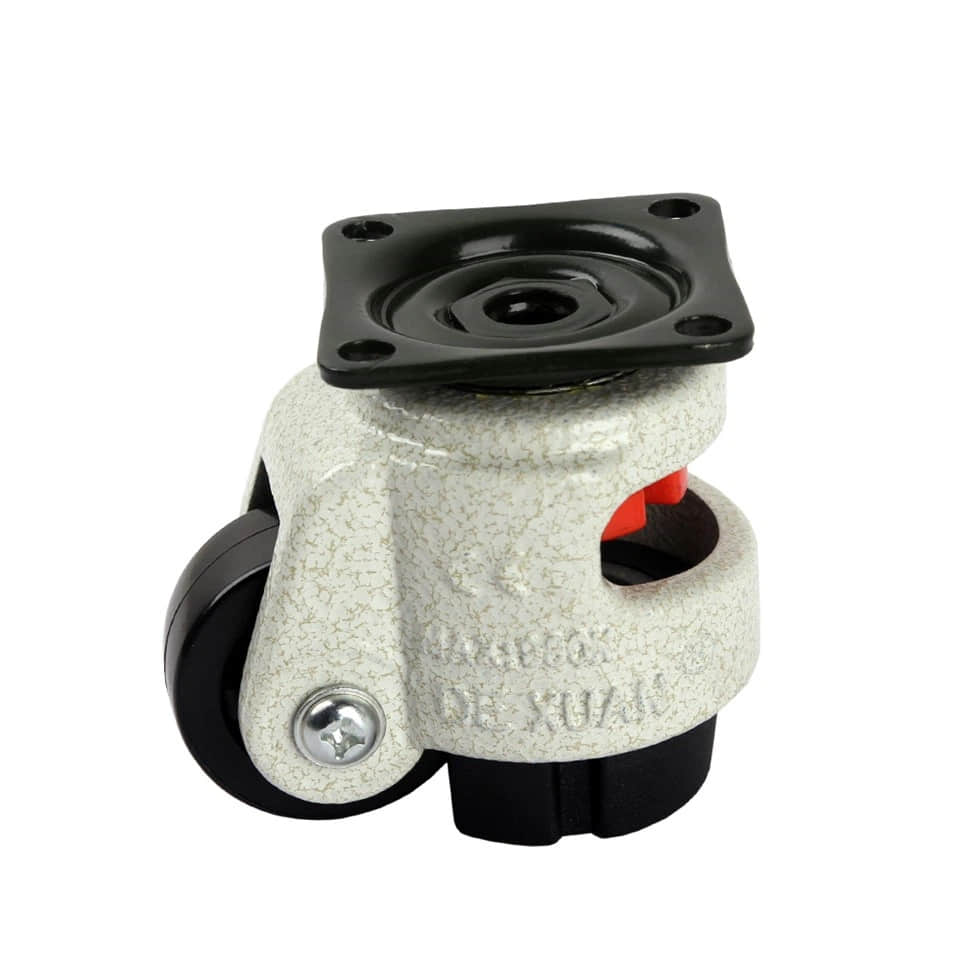
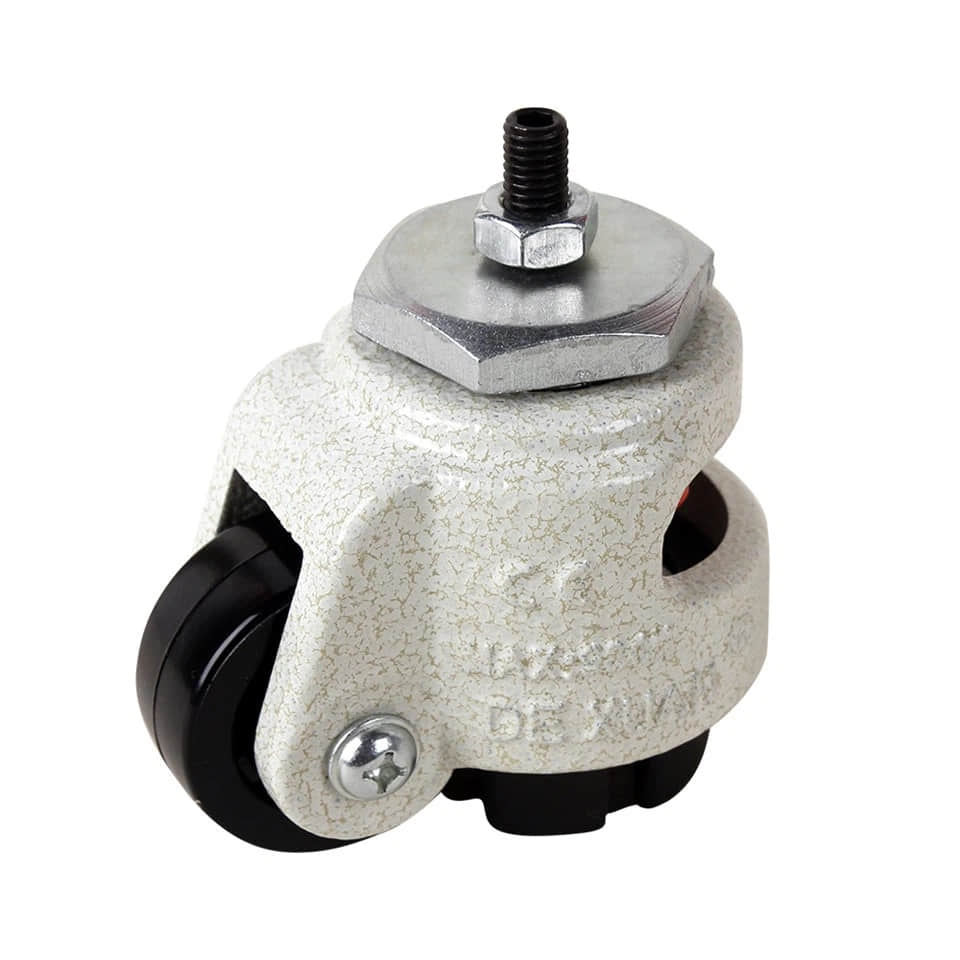
1. Installation height: refers to the vertical distance from the ground to the installation position of the equipment, and the installation height of the casters refers to the large vertical distance from the base plate of the casters and the edge of the wheels.
2. Support turning center distance: refers to the horizontal distance from the vertical line of the center rivet to the center of the wheel core.
3. Turning radius: refers to the horizontal distance from the vertical line of the center rivet to the outer edge of the tire, with an appropriate spacing to allow the caster to turn 360 degrees. The rationality of the rotation radius directly affects the service life of the casters.
4. Driving load: The load-bearing capacity of the casters during movement is also known as dynamic load. The dynamic load of the casters varies depending on the factory's testing methods and the materials of the wheels. The key lies in whether the structure and quality of the bracket can withstand impact and vibration.
5. Impact load: The instantaneous load-bearing capacity of the casters when the equipment is impacted or vibrated by the load. Static load Static load Static load: The weight that a caster can withstand in a static state. The static load should generally be 5-6 times the driving load (dynamic load), and the static load should be at least 2 times the impact load.
6. Turning: Hard and narrow wheels are easier to turn than soft and wide wheels. The turning radius is an important parameter for wheel rotation. If the turning radius is too short, it will increase the difficulty of turning, while if it is too large, it will cause the wheel to shake and shorten its lifespan.
7. Driving flexibility: The factors that affect the driving flexibility of casters include the structure of the support and the selection of support steel, the size of the wheels, the type of wheels, bearings, etc. The larger the wheel, the better the driving flexibility. Hard and narrow wheels on smooth ground are more labor-saving than soft wheels with flat edges. However, soft wheels on uneven ground are more labor-saving, but soft wheels on uneven ground can better protect equipment and shock absorption!