Welcome to DEXUAN
Introduction To Six Kinds Of Castors Commonly Used in Automation Equipment
Automation equipment is a type of mechanical equipment that varies in size, weight, and shape. However, many automation equipment require movement, so casters are used.So what are the commonly used casters for automation equipment? Below, the editor will introduce the six commonly used casters for automation equipment:
1. Low center of gravity casters
These types of casters appear relatively short and have a low center of gravity, making them suitable for use on heavy automation equipment. This way, the center of gravity of the entire automation equipment will not increase too much due to the addition of casters, and its stability can be maintained. In addition, the wheel width of these casters is usually larger, which increases rolling friction but also increases the stability of automation equipment.
2. Metal casters
For casters used in some special environments, metal casters may be considered. The entire casters are made of metal. Although these casters cause significant damage to the ground, they can withstand high temperatures and have the ability to adapt to certain special environments. For example, in some cutting, forging, high-temperature environments, and possibly environments with sparks splashing, metal casters are used. Of course, stainless steel casters also belong to one category of metal casters and may appear on some automation equipment.
3. High temperature resistant casters
In addition to hardware casters, there are also some high-temperature casters that are not only resistant to high temperatures, but also have a certain degree of corrosion resistance. Automation equipment used in these environments will be used. Of course, although high-temperature casters can withstand high temperatures, their high-temperature resistance is usually not as high as that of metal casters, but their characteristic is strong corrosion resistance.
4. Heavy duty casters
On some large automatic equipment, heavy casters or even overweight casters are used due to their heavy weight, and multiple casters with such high load-bearing capacity are installed to jointly bear the weight of the entire equipment. When using, it is also necessary to consider the impact and vibration that may occur during the operation of large automation equipment on the casters.
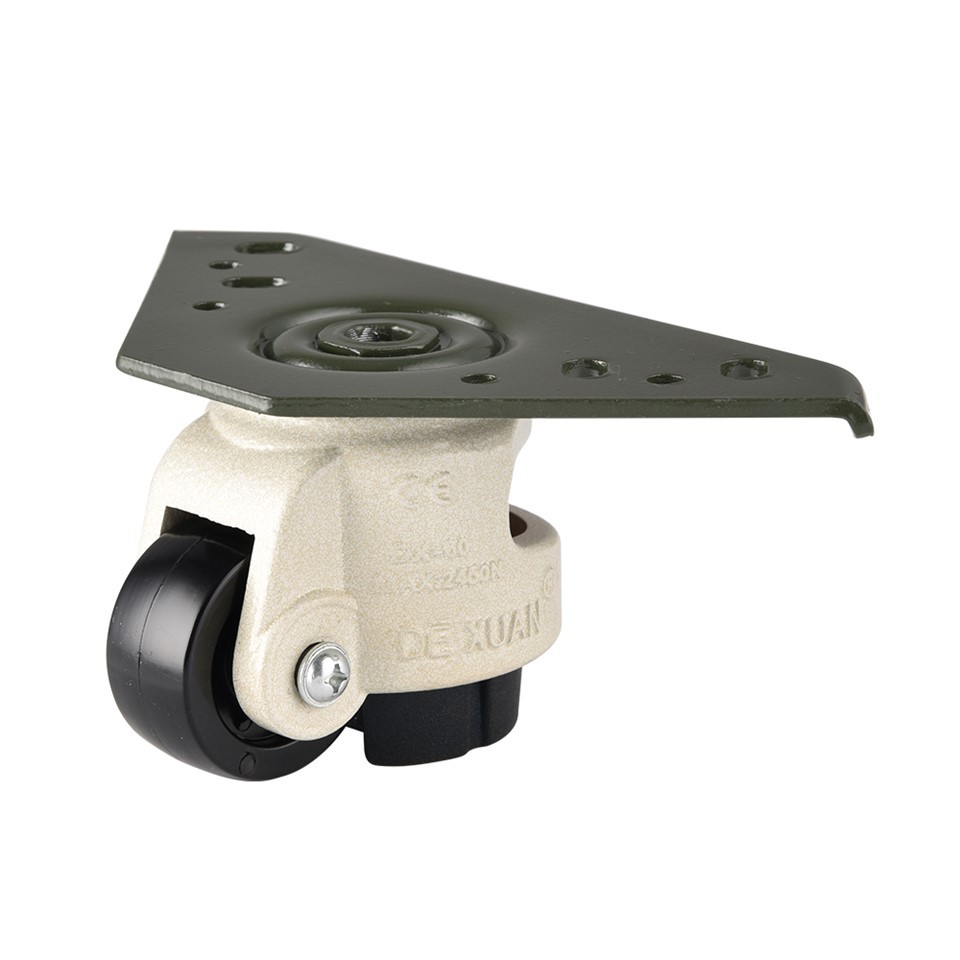
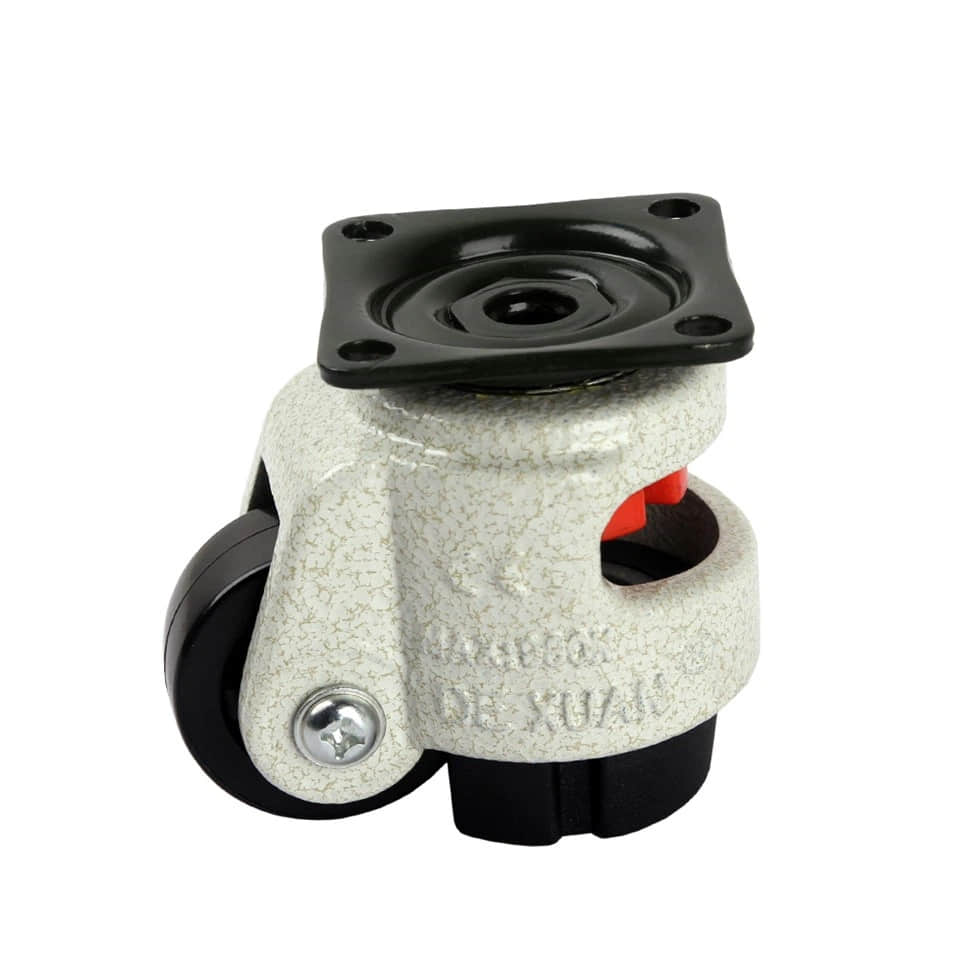
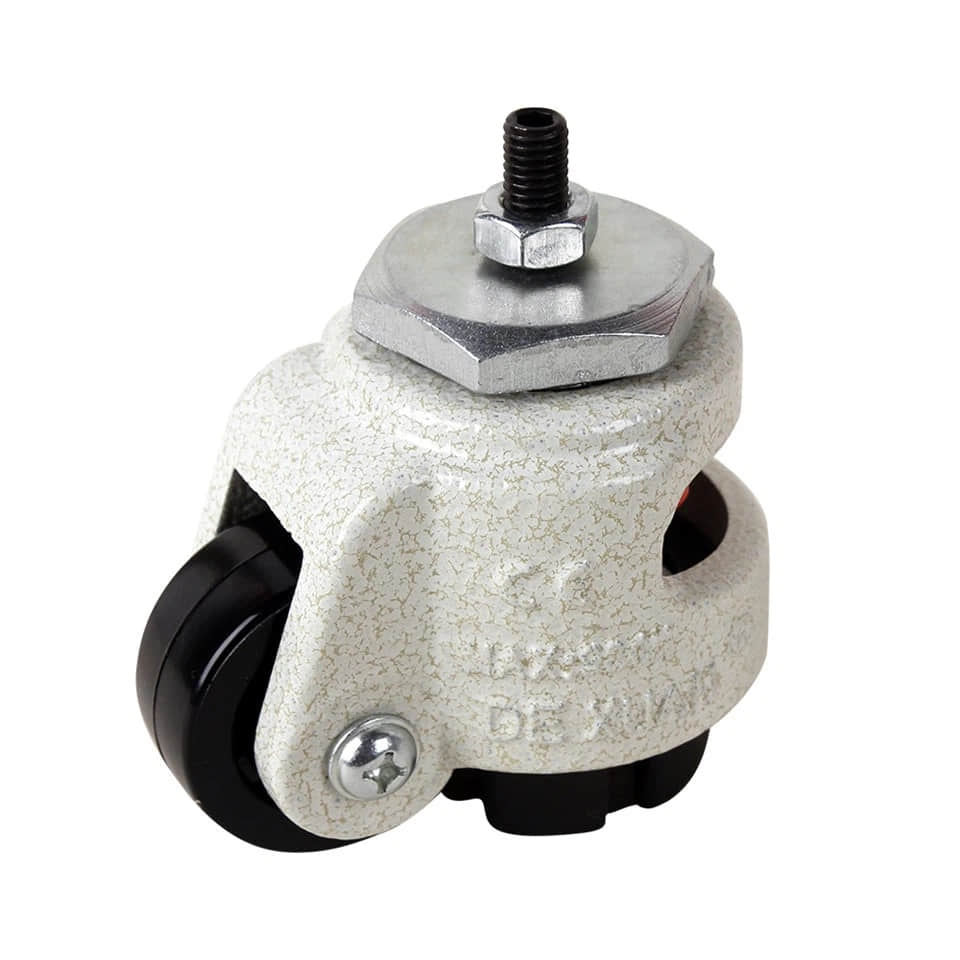
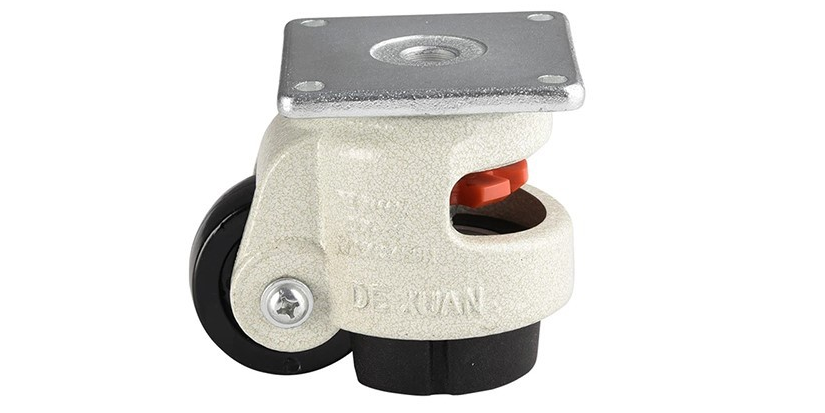
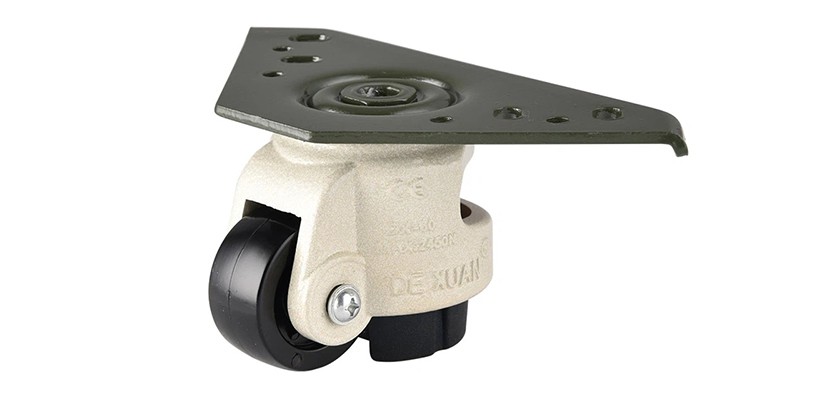
5. Horizontal adjustment of casters
On some automation equipment with high precision requirements, horizontal casters are used, which can adjust the height and level of the automation equipment. For example, three coordinate measuring automation equipment will use these casters.
6. Castors with foot cups
Some devices may require stability and rarely move when moved to the corresponding position. Therefore, it is necessary to consider using casters with foot cups. After reaching the designated position, the foot cups need to be lowered and fixed to disperse the force on the casters and increase the stability of the automated device.
In summary, the above are the six commonly used automation equipment casters, all of which belong to the category of industrial casters. Although they belong to industrial use, they are all different. There are directional casters and universal casters, which are usually used in combination. According to actual needs, they may also be equipped with side brake or full brake brake casters. But with the development of the casters industry, more suitable casters for automation equipment will emerge.